Author: Nik


Bambu Lab P2S First Layer Not Sticking — Causes & Real Fixes (2026)
Here’s something most troubleshooting guides won’t tell you upfront: If your P2S first layer isn’t sticking, there’s roughly a 50/50 chance the fix is just washing your build plate with dish soap. Not wiping it with alcohol. Actually washing it. At the kitchen sink. With soap. I know that sounds too simple. But after digging…

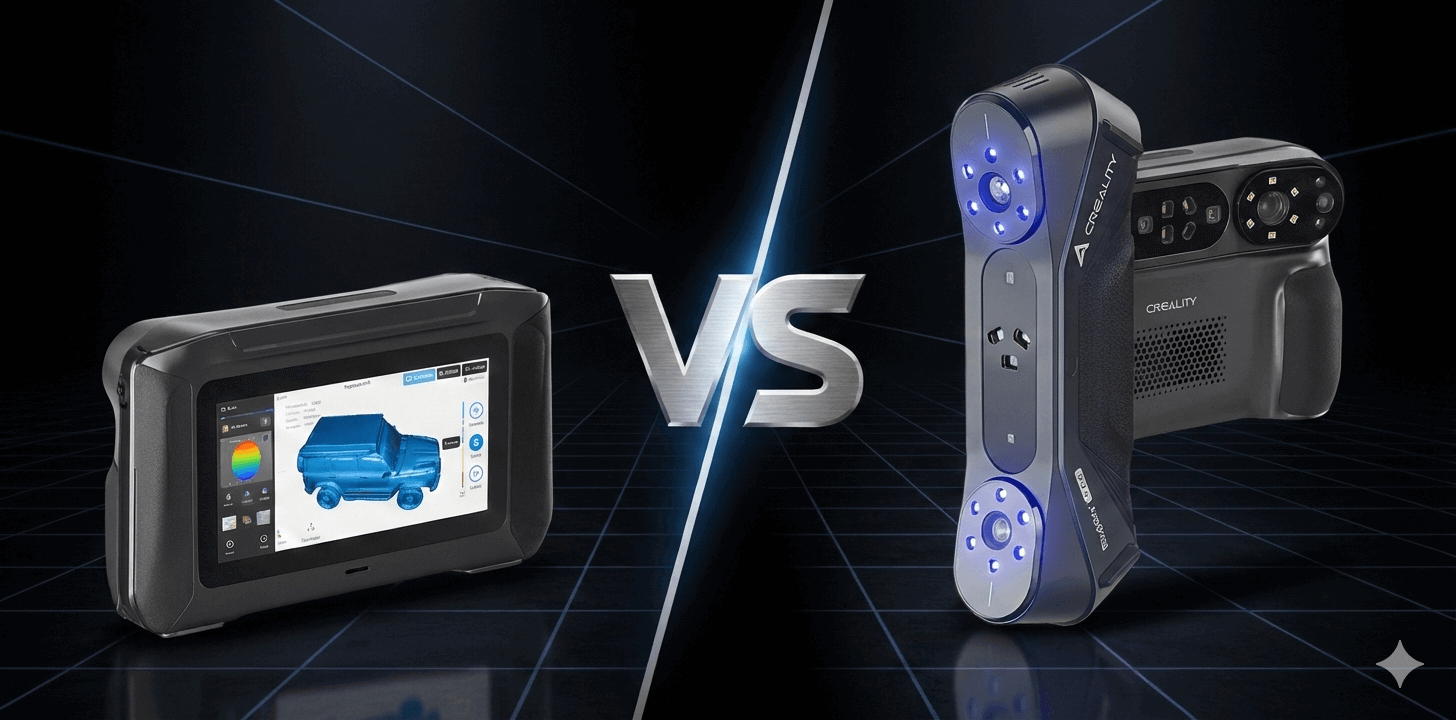
Creality Sermoon P1 vs Raptor Pro: Which 3D Scanner Fits Your Workflow?
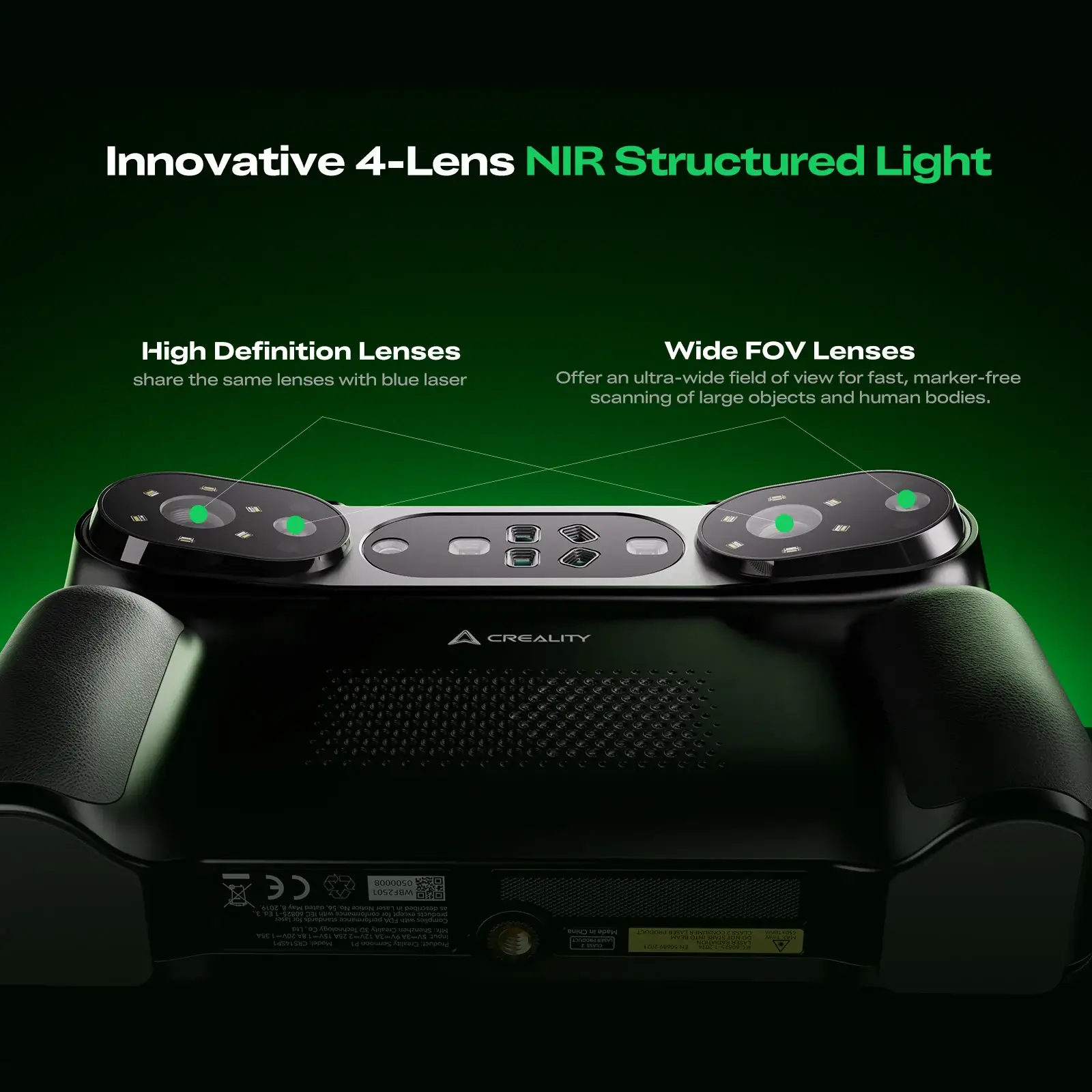
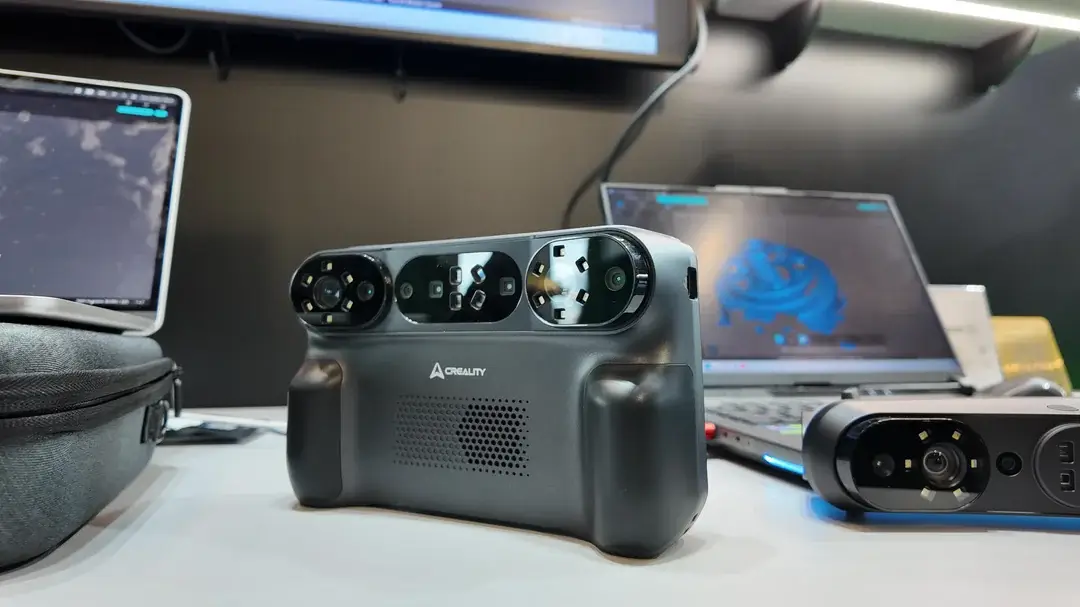
Most “high-precision” 3D scanners look identical on paper:0.02mm headlines, laser lines, IR modes,all the usual flex. But in real life, the purchase rarely fails because of accuracy. It fails because of friction: cables, laptops, power, switching modes, re-scanning the same feature twice, and realizing you didn’t capture what mattered until you’re already done. So here’s…

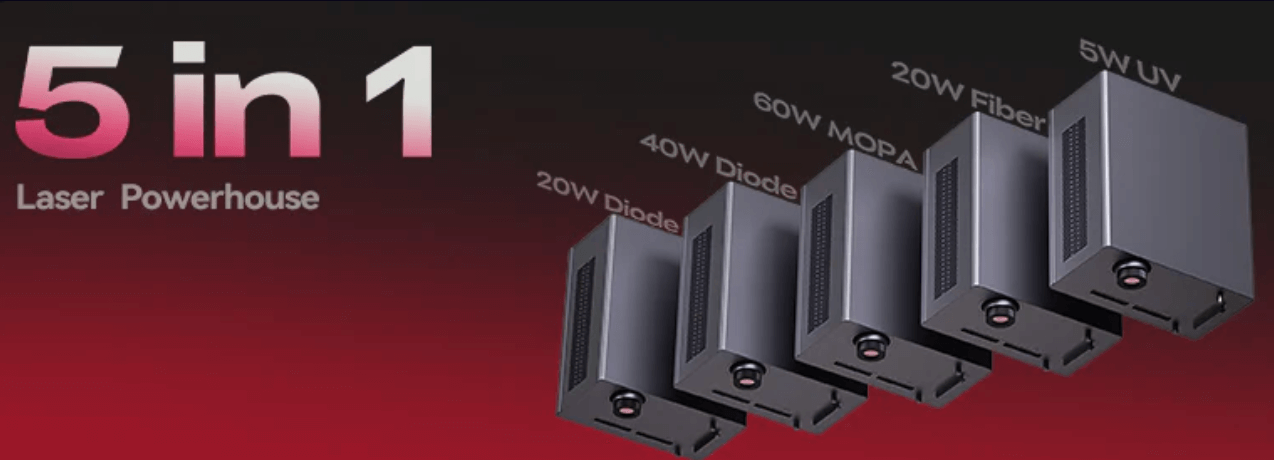
Falcon T1 Modules Guide: Diode vs Fiber vs MOPA vs UV (WaveSync)
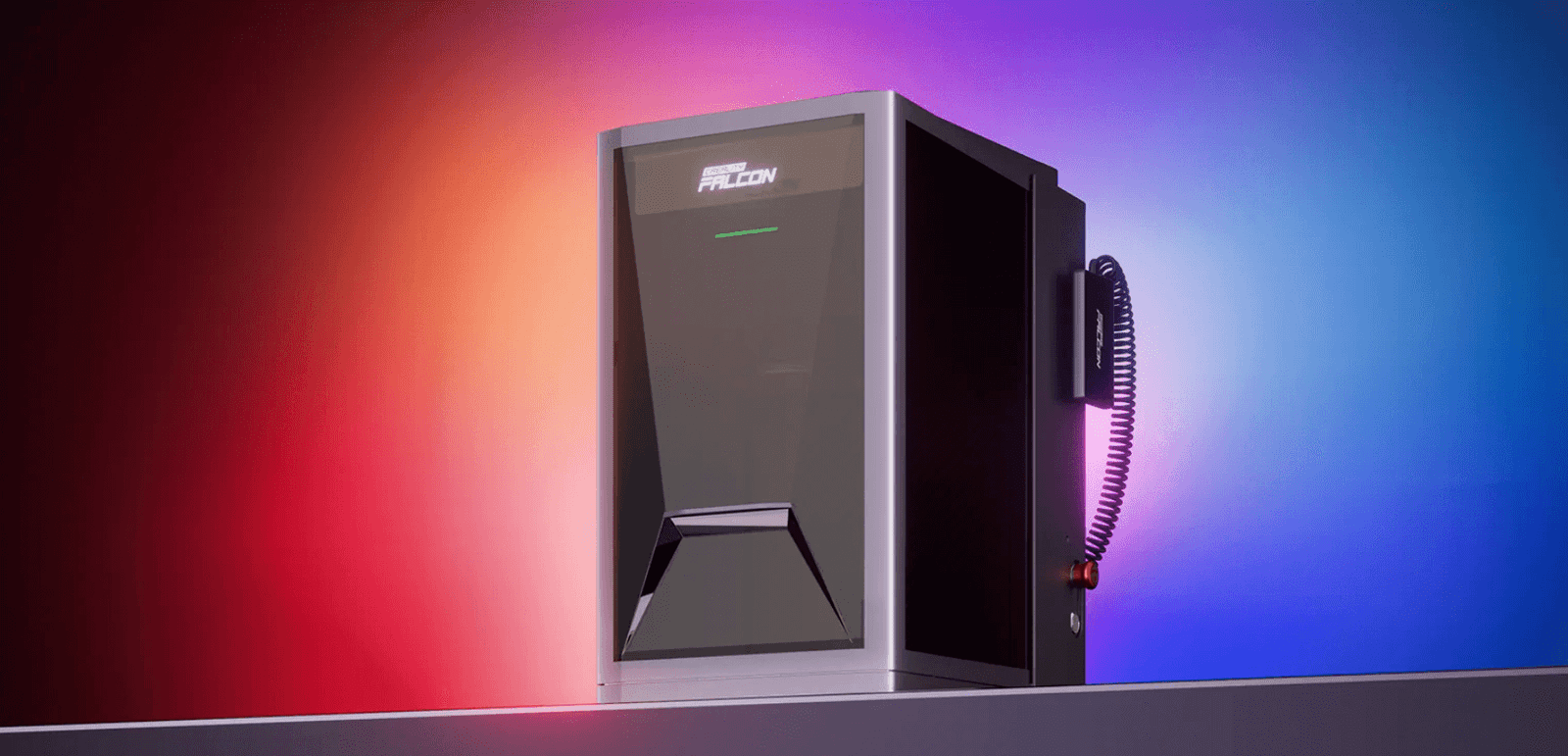
Falcon T1 isn’t just a faster desktop engraver—it’s a modular platform. This guide explains WaveSync and breaks down the five module options (20W/40W diode, 20W fiber, 60W MOPA, 5W UV) in plain English, with a simple decision framework for makers and small shops. Buy for your best-selling material first, then upgrade when demand proves it.

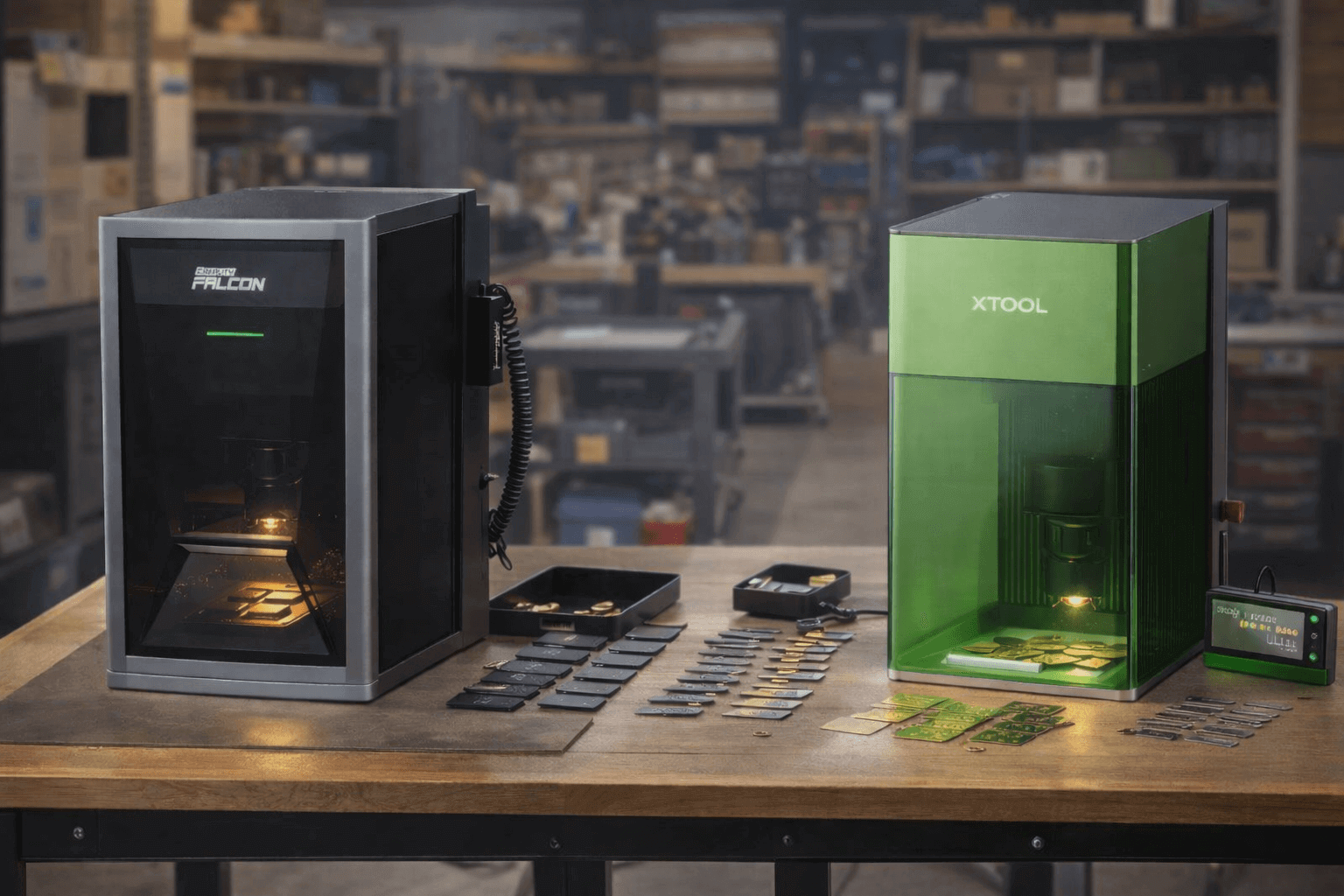
Creality Falcon T1 vs xTool F1 Ultra: Best Choice for Small-Business Batch Work
Running paid orders is different from hobby engraving. This comparison looks at Falcon T1 vs xTool F1 Ultra through a batch-work lens—setup speed, changeovers, rework risk, and the few specs that truly affect throughput. Includes clear recommendations by shop model and a practical pitfalls checklist.

Creality Sermoon P1 Specs & White Paper: Standalone Blue Laser + IR Metrology (0.02mm)
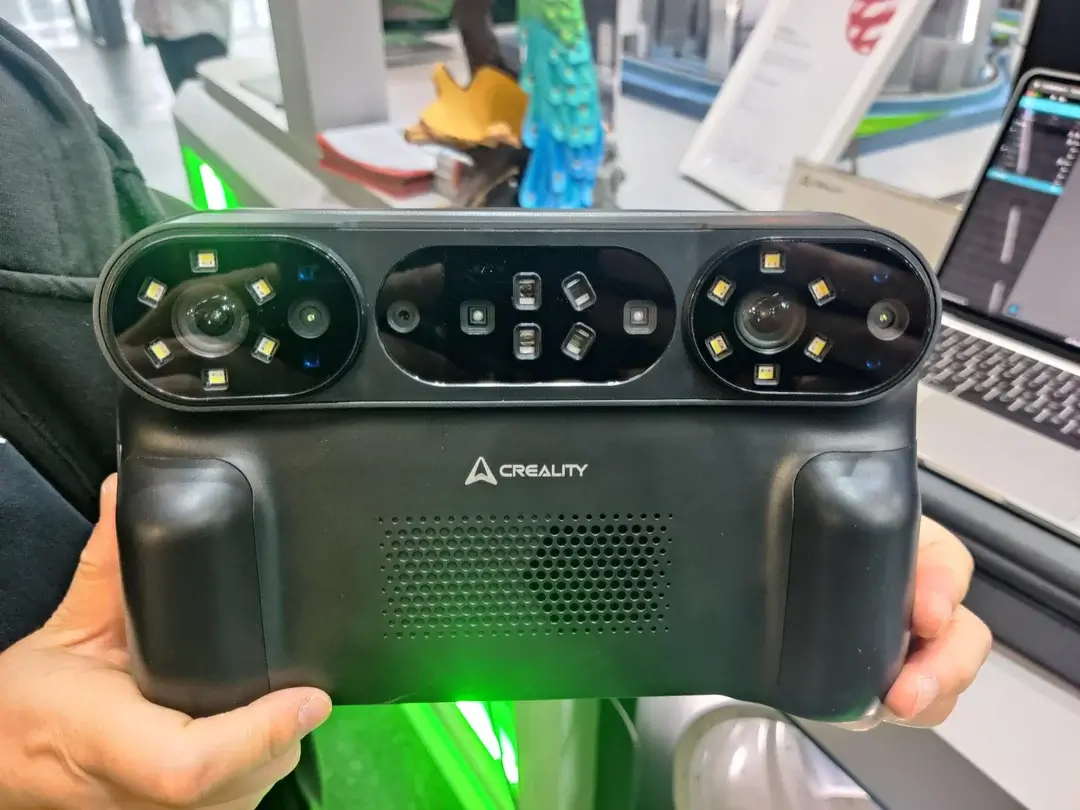
If you’ve ever packed up after a scan and only noticed the missing surface back at your desk, you know the real cost isn’t the scan—it’s the re-scan. That’s the gap the Creality Sermoon P1 is built to close: a self-contained workflow with onboard processing and a Full HD touchscreen, so you can verify coverage…

Anker vs. Bambu Lab: Why the King of E-Commerce Lost the 3D Printing War
In 2022, Anker launched the AnkerMake M5 with a record-shattering $8.8M Kickstarter. But three years later, the industry leader isn’t the e-commerce giant—it’s Bambu Lab. This article explores how “Hard-Tech Logic” defeated “E-commerce Logic,” and why Anker’s record-breaking $46M pivot to UV printing marks a strategic retreat from the core maker market. 1. The $8.8…

Creality Falcon T1 Review: The Ultimate 5-in-1 Galvo Laser Guide (2026)
Looking for a high-speed, modular laser? The Creality Falcon T1 combines Blue Diode, Fiber, MOPA, and UV lasers into one Galvo-powered machine. We analyze the specs, speed, and real-world value for makers.
Blue Laser vs NIR Scanning on the Creality Sermoon P1: Which Mode Should You Use?
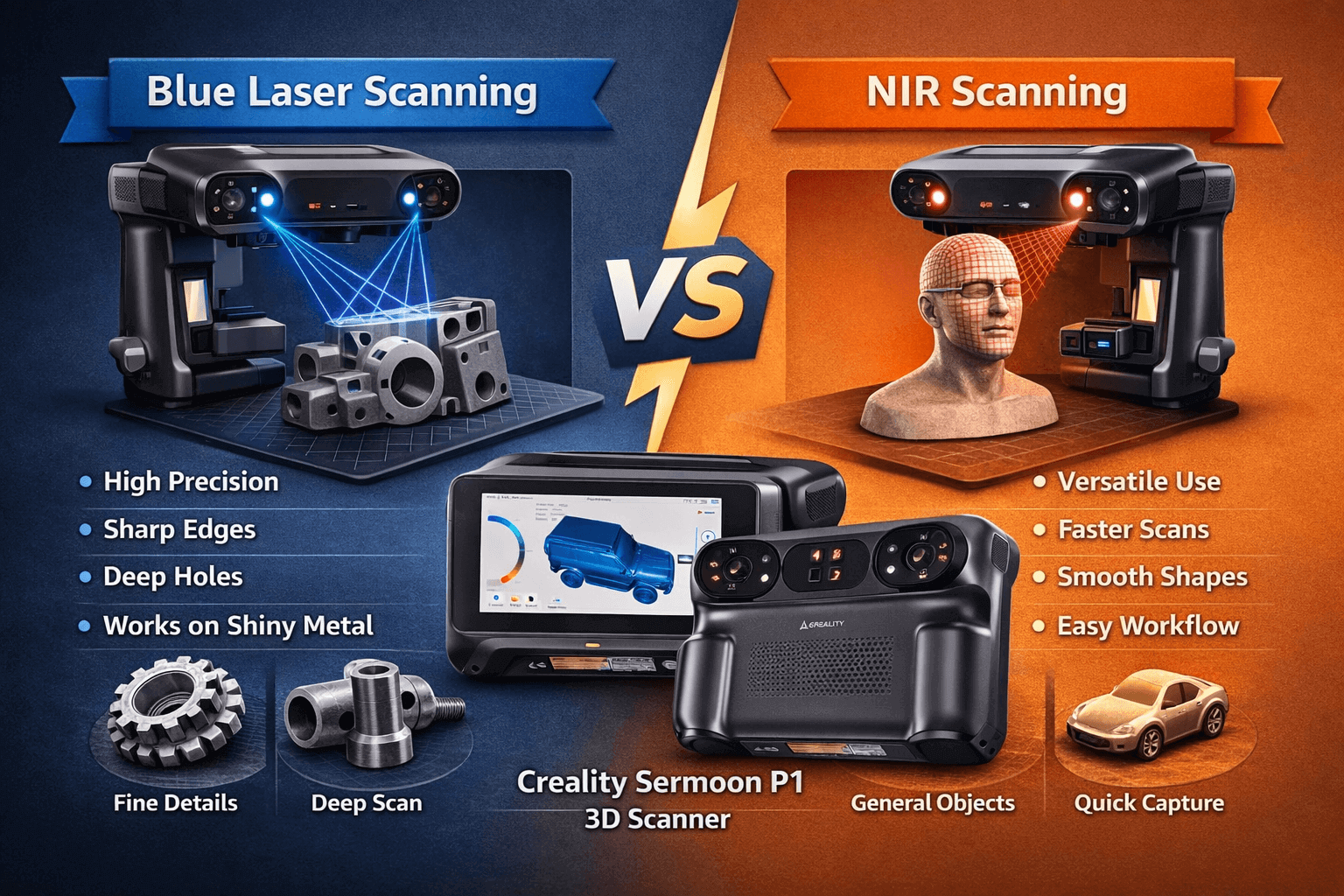
Quick Answer If you’re scanning mechanical parts, sharp edges, holes, or dark/shiny surfaces, start with Blue Laser. It’s the mode designed for maximum detail and difficult geometry. If you want a more flexible, general-purpose scan (and especially if you’re scanning “softer” shapes or you simply want an easier workflow), use NIR—it’s typically more forgiving, though…

22 vs 7 vs 1 Laser Line Modes on the Creality Sermoon P1: What They Mean (and Which to Use)
Quick Answer Think of Creality Sermoon P1 22/7/1 as speed / detail / deep features—pick the mode based on the object’s geometry, not the size alone. If you’re a beginner: do a 22-line first pass, then switch to 7-line for important details, and 1-line only when you need to “reach into” holes or narrow slots.…

Creality Sermoon P1 3D Scanner: Specs, Price, Release Date, and Who It’s For (Updated 2026)
Creality Sermoon P1 3D Scanner – All-in-One Blue Laser & NIR Scanning System What It Is? The Creality Sermoon P1 is a next-generation all-in-one 3D scanner – essentially a handheld device that includes its own computing unit and display. Unlike traditional 3D scanners that tether to a laptop, the Sermoon P1 has an integrated 6-inch…