Author: Nik


Bambu Lab H2C vs Snapmaker U1 Explained: Speed, Color Limits, and Trade-Offs
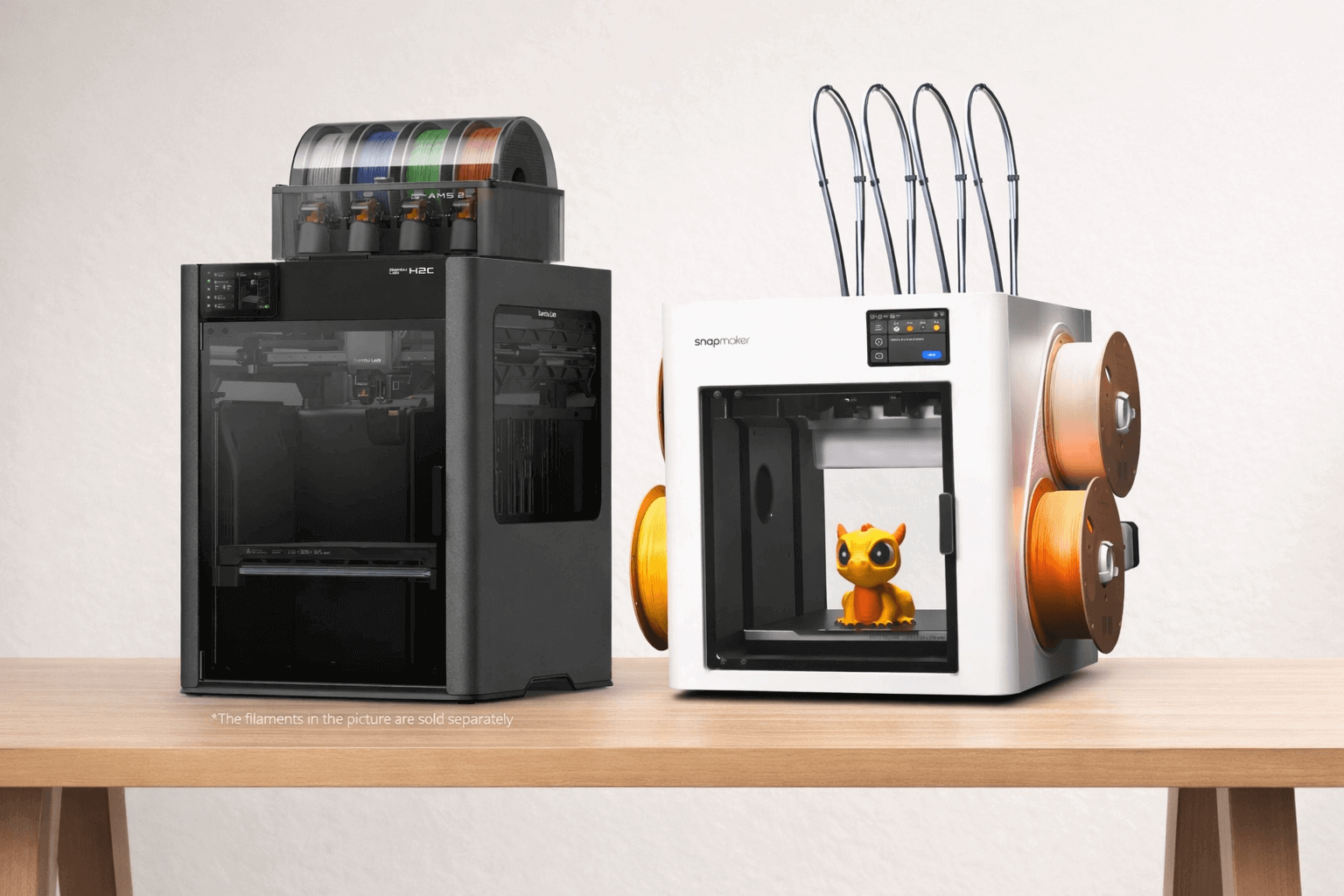
Bambu Lab H2C vs Snapmaker U1 If you’re stuck choosing between the Bambu H2C and the Snapmaker U1, you’re not alone. On paper, both look fast, advanced, and powerful enough that picking the wrong one feels expensive and frustrating. Here’s the part most comparisons skip: This decision isn’t really about specs. It’s about system limits.…
Creality IPO Analysis: Beyond 3D Printers — Scanners, Lasers, and DTC Strategy
Creality’s IPO signals a shift beyond selling 3D printers. This article analyzes how scanners, consumables, laser engraving, and direct-to-consumer channels are reshaping its growth model — and what this change means for the future of the 3D printing industry.

Best Bambu Lab H2C Accessories: What You Actually Need First
Not all H2C accessories matter equally. This guide shows what to buy first, what can wait, and which items actually prevent failed prints and downtime—from filament drying and spare nozzles to build plates, tools, and basic safety setup.

Best Bambu Lab H2C Bundle to Buy: AMS Combo vs Ultimate vs Laser
Confused by H2C bundle names? This guide explains what each package actually adds, which bundle fits your needs (newbie, multi-material, small shop), what not to buy, and a must-have starter cart for smoother printing. You’ll also get a simple comparison table and deal timing tips—without making risky pricing promises.
Best Enclosed High-Temperature 3D Printers for ABS & Nylon (2025 Guide)
Discover the best enclosed high-temperature 3D printers for ABS, ASA, Nylon, and PA-CF. Real-world performance, comparisons, and expert recommendations for 2025.

What Is Bambu Lab’s Let’s Make It Fund? A $300,000 Opportunity for Makers
Every maker knows this moment. You have a great 3D printing idea. The design looks good. The prototype works. Then reality hits. You don’t have enough time. You don’t have enough money. And the project slowly dies inside a folder on your computer. Bambu Lab just launched something that could change this. It’s called Let’s Make It…
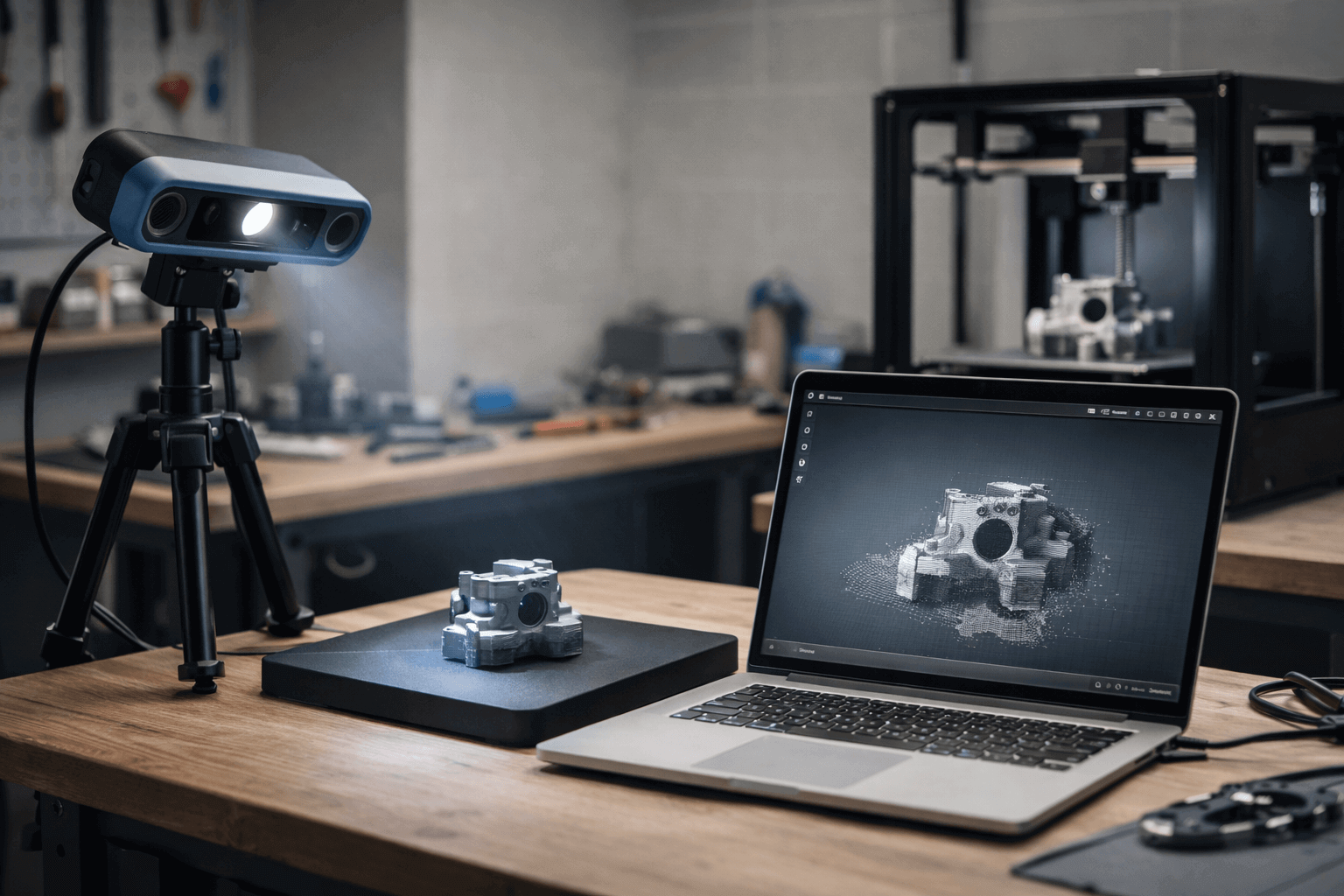
Best 3D Scanners for Makers (2025): What Actually Works for 3D Printing
Introduction A few years ago, owning a 3D scanner as a home maker felt unnecessary. They were expensive and hard to use. And most of the time, the scan results looked impressive on screen but fell apart once you tried to 3D print them. That’s no longer the case in 2025. Today’s 3D scanners are…

Filament Runout on Bambu Lab: AMS Auto Refill, Resume Prints & Best Practices
What happens when filament runs out on a Bambu Lab printer? Learn how AMS auto refill works, how to resume prints safely, and how to avoid gaps, jams, and failed prints.

The Complete Guide to FDM 3D Print Post-Processing (Beginner to Pro)
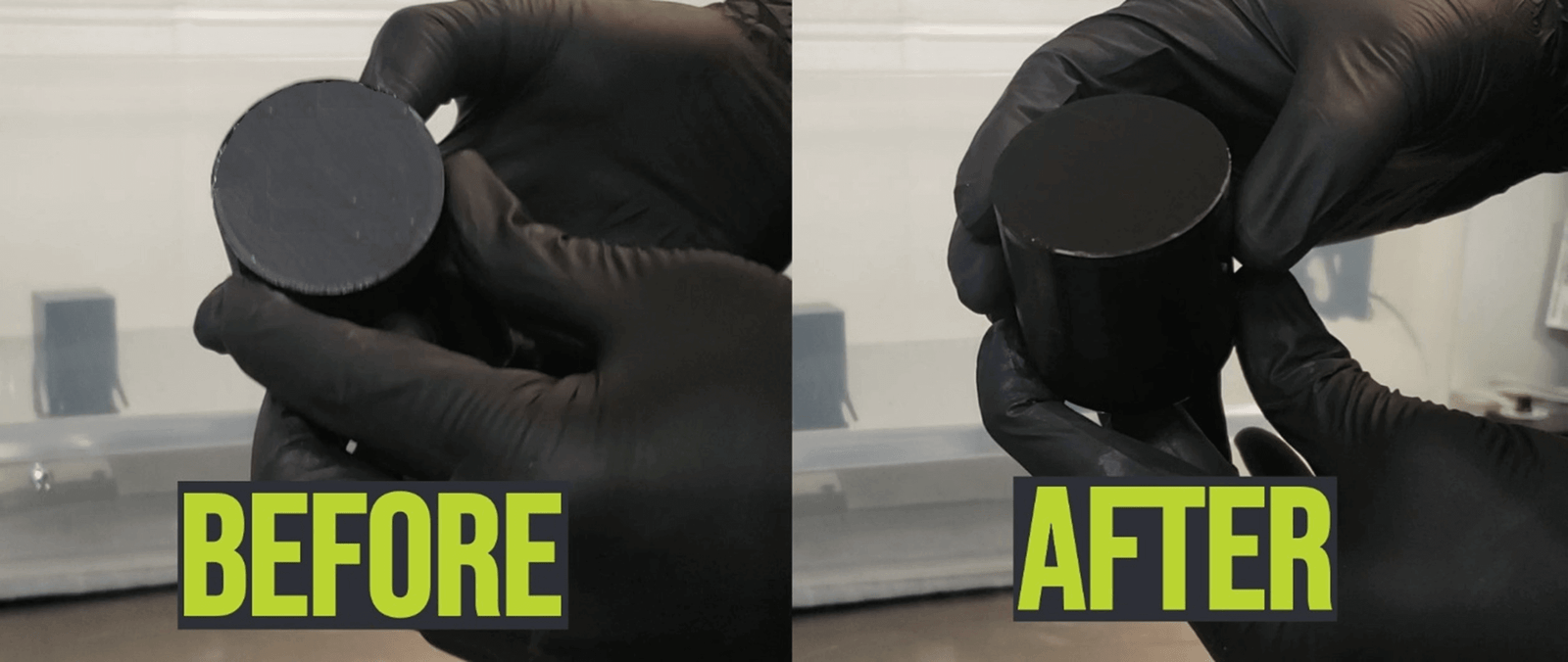
Post-processing is the key to making FDM 3D prints look smooth and professional. This step-by-step guide explains sanding, filling, priming, and painting in a simple, practical way for beginners.

2025: The Year Consumer FDM Entered the Multi-Material Era
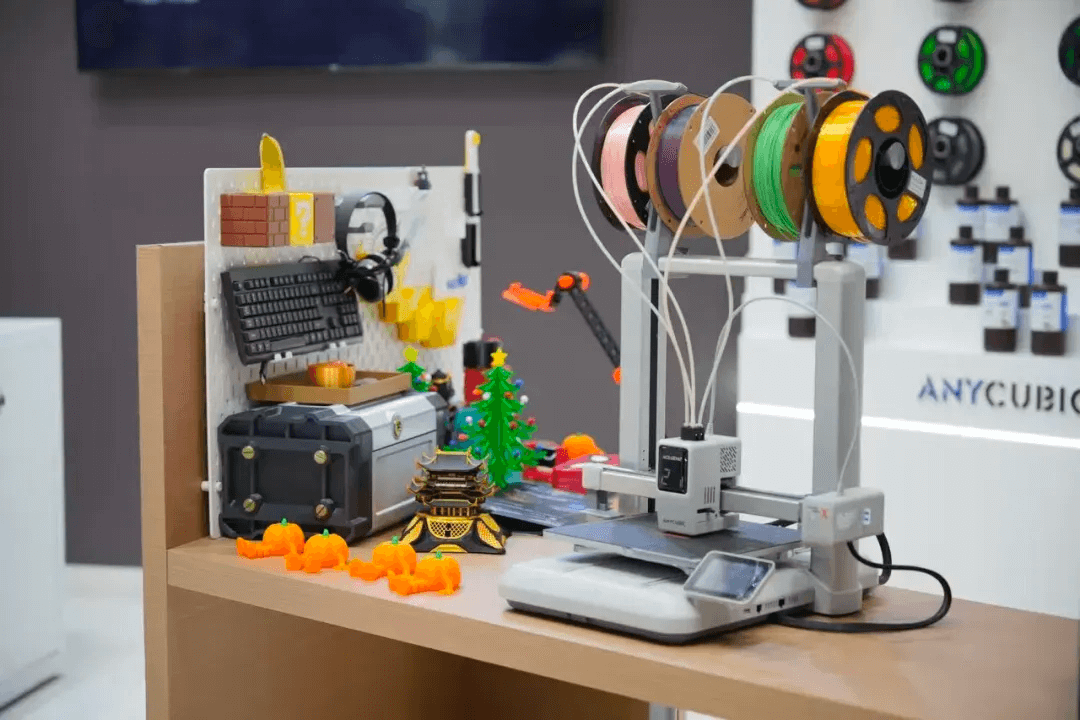
2025 is a big year for consumer 3D printing. For the first time, multi-material and multi-color FDM printing moved from “high-end features” to tools that everyday makers can use. Many brands launched new systems. Many of them focus on faster switching, cleaner prints, and less wasted filament. The change did not happen by chance. Companies…