
Table of Contents
In 2022, Anker launched the AnkerMake M5 with a record-shattering $8.8M Kickstarter. But three years later, the industry leader isn’t the e-commerce giant—it’s Bambu Lab.
This article explores how “Hard-Tech Logic” defeated “E-commerce Logic,” and why Anker’s record-breaking $46M pivot to UV printing marks a strategic retreat from the core maker market.
1. The $8.8 Million Illusion: When Marketing Met Its Match
In 2022, the 3D printing community was certain of one thing: Anker was about to dominate. As the “King of Cross-border E-commerce,” Anker brought unmatched brand power, global logistics, and a marketing machine that raised $8.8 million for the AnkerMake M5.

It was the most-funded 3D printer in Kickstarter history at the time.
But while Anker was optimizing its “Middle-Platform” for sales, a group of former DJI engineers was building a revolution in the shadows.
Bambu Lab didn’t just enter the market; they moved the goalposts entirely.


2. Refining the Carriage vs. Inventing the Car
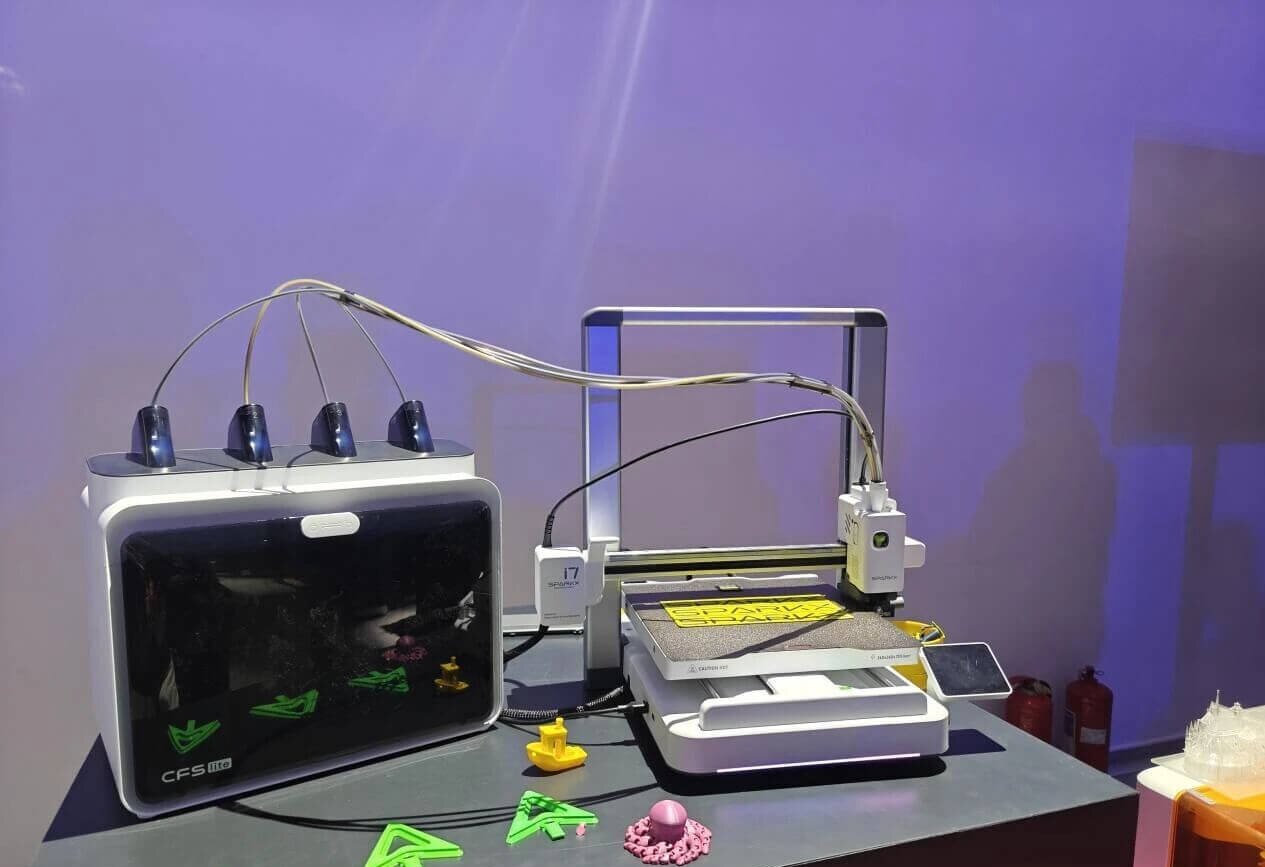
The AnkerMake M5 was a “Better Carriage”—it was a polished, user-friendly version of existing technology. It added AI cameras and sleek aesthetics to the traditional “bed-slinger” design.
Bambu Lab, however, invented the car.
While the industry standard speed was 50mm/s, Bambu Lab utilized vibration compensation and lidar to hit 500mm/s.
They achieved true Plug & Play—removing the dreaded manual leveling process that had plagued the hobby for a decade.
In the world of hard-tech, marketing can amplify a product, but it cannot bridge a generational technological gap.
As many Redditors noted, “The X1-C is the printer the M5 was supposed to be.”

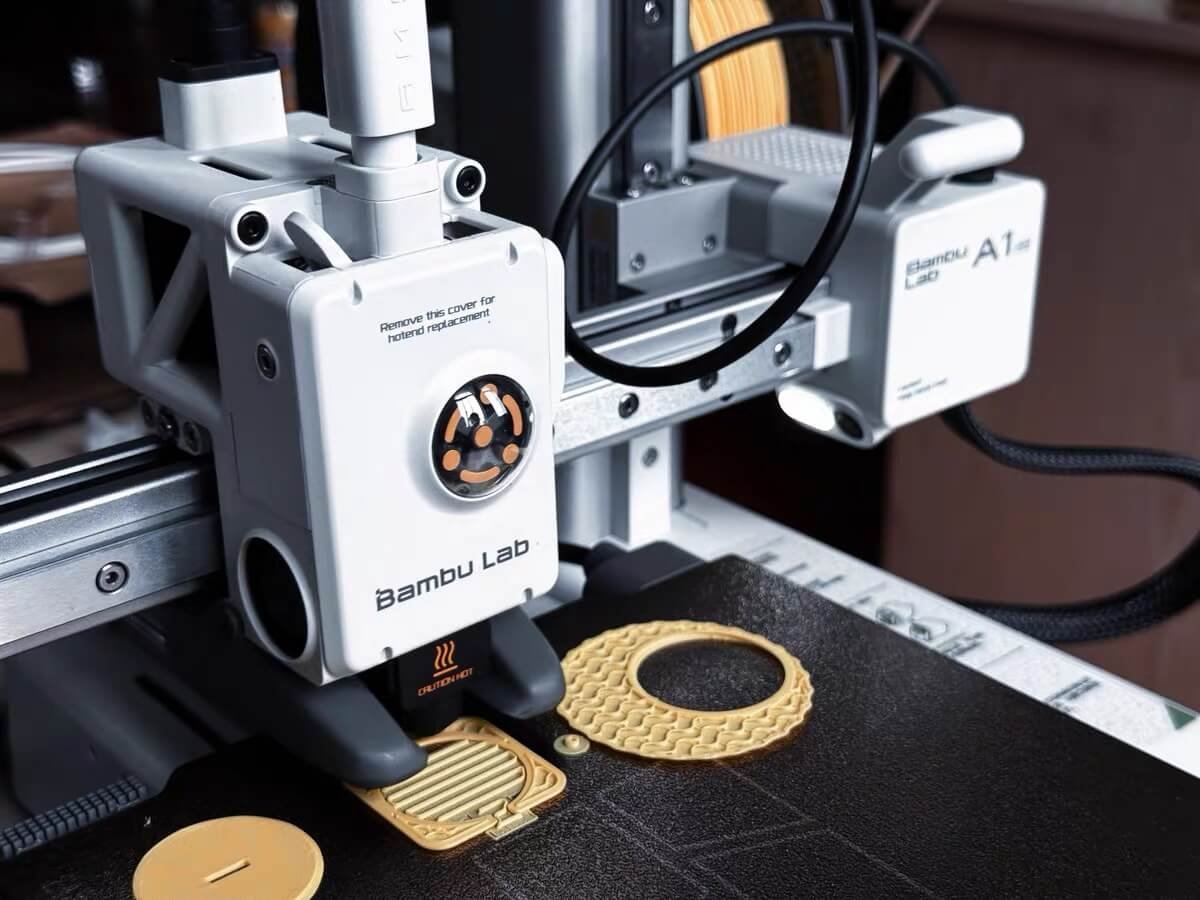
“Marketing can make a carriage run smoother, but it will never turn it into a car. This image perfectly captures why Bambu Lab’s 500mm/s speed wasn’t just an upgrade—it was a new category.”
3. The “Razor and Blade” Trap: Selling a “Tax System”
The true genius of Bambu Lab isn’t just hardware; it’s the subscription-style ecosystem. Anker follows a retail logic: sell a printer, earn once, and buy more traffic for the next sale.
Bambu Lab built a “Walled Garden” reminiscent of Apple:
- The 35% Factor: Estimates for 2025 suggest nearly 35% of Bambu Lab’s revenue comes from consumables (filaments) and accessories.
- RFID Lock-in: By integrating RFID chips in their filament spools, they ensured that users who want the “perfect print” stay within the Bambu ecosystem.
Instead of just selling a tool, Bambu Lab established a “Taxation System” for the 3D world.
4. The Strategic Retreat: Anker’s $46M Pivot
The most telling sign of this rivalry is Anker’s recent shift. In 2025, Anker (via its eufyMake brand) launched the eufyMake E1—a desktop UV printer.

The campaign didn’t just do well; it became the most funded project in Kickstarter history, raising over $46.7 million.
However, the E1 is not a competitor to Bambu Lab’s high-speed FDM machines. It is a “Decorator,” not a “Creator.” It prints patterns on mugs and phone cases—products that are highly “TikTok-able” but require zero 3D modeling skills.
This is a Strategic Retreat.
Anker has realized that in the “Deep Water” of hard manufacturing, e-commerce logic falls short. They have returned to the “Shallow Water” where they excel: high-margin, beautifully designed consumer lifestyle gadgets.
5. The Future: AIGC and the “Physical App Store”
As we look toward 2026, the battleground is shifting from hardware to Content. The next barrier is the complexity of 3D modeling.
The company that masters Text-to-3D (AIGC)—making modeling as easy as talking—will turn a multi-billion dollar niche into a trillion-dollar mainstream market.
The 3D printer of the future won’t be a tool; it will be a “Distributed Physical Content Delivery Platform.”
| Feature | Anker (E-commerce Logic) | Bambu Lab (Engineering Logic) |
|---|---|---|
| Core Strength | Marketing & Distribution | R&D & Technological Breakthroughs |
| Philosophy | Refining the existing experience | Redefining the industry standard |
| Business Model | Transactional (Hardware Sales) | Ecosystem (Hardware + Consumables) |
| Current Target | The “Decorator” (Personalization) | The “Creator” (Manufacturing) |
Makers101 Verdict: Anker remains a benchmark for how to scale a business, but Bambu Lab proves that in the age of “Hard-Tech,” you cannot sell your way out of an engineering gap.
What do you think? Would you trade an open-source spirit for a “Walled Garden” that just works? Let us know in the comments below.

Leave a Reply