If you’ve ever tried to print ABS or Nylon on an open-frame printer, you already know the pain: corners lift, parts crack halfway up, and a “simple” bracket turns into a warped banana.
That’s not you doing it wrong. These filaments are very picky about heat and airflow.
ABS and Nylon both need high nozzle temps and a warm, stable environment to behave:
- Most ABS likes a nozzle around 220–250°C and a bed in the 80–110°C range.
- Most Nylon (PA) runs even hotter, often 240–280°C on the nozzle and 70–90°C on the bed, depending on the brand.
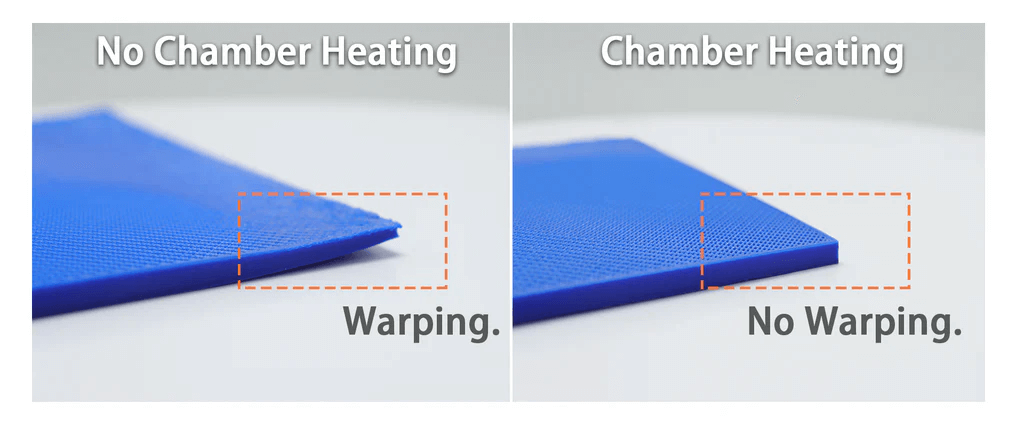
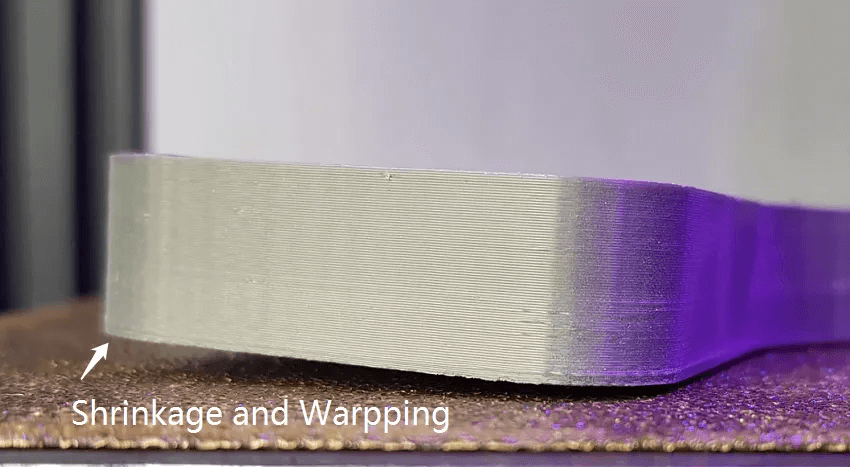
If the air around the print stays cool or drafty, the outer layers shrink too fast, and you get severe warping, poor layer adhesion, and random cracks — especially on bigger, functional parts.
That’s why many experienced makers move to fully enclosed, high-temperature printers once they get serious about ABS, ASA, Nylon, PA-CF, and PC.
A good enclosure keeps the air around the part in the 40–60°C range for ABS/ASA and Nylon, which massively cuts down on warping.
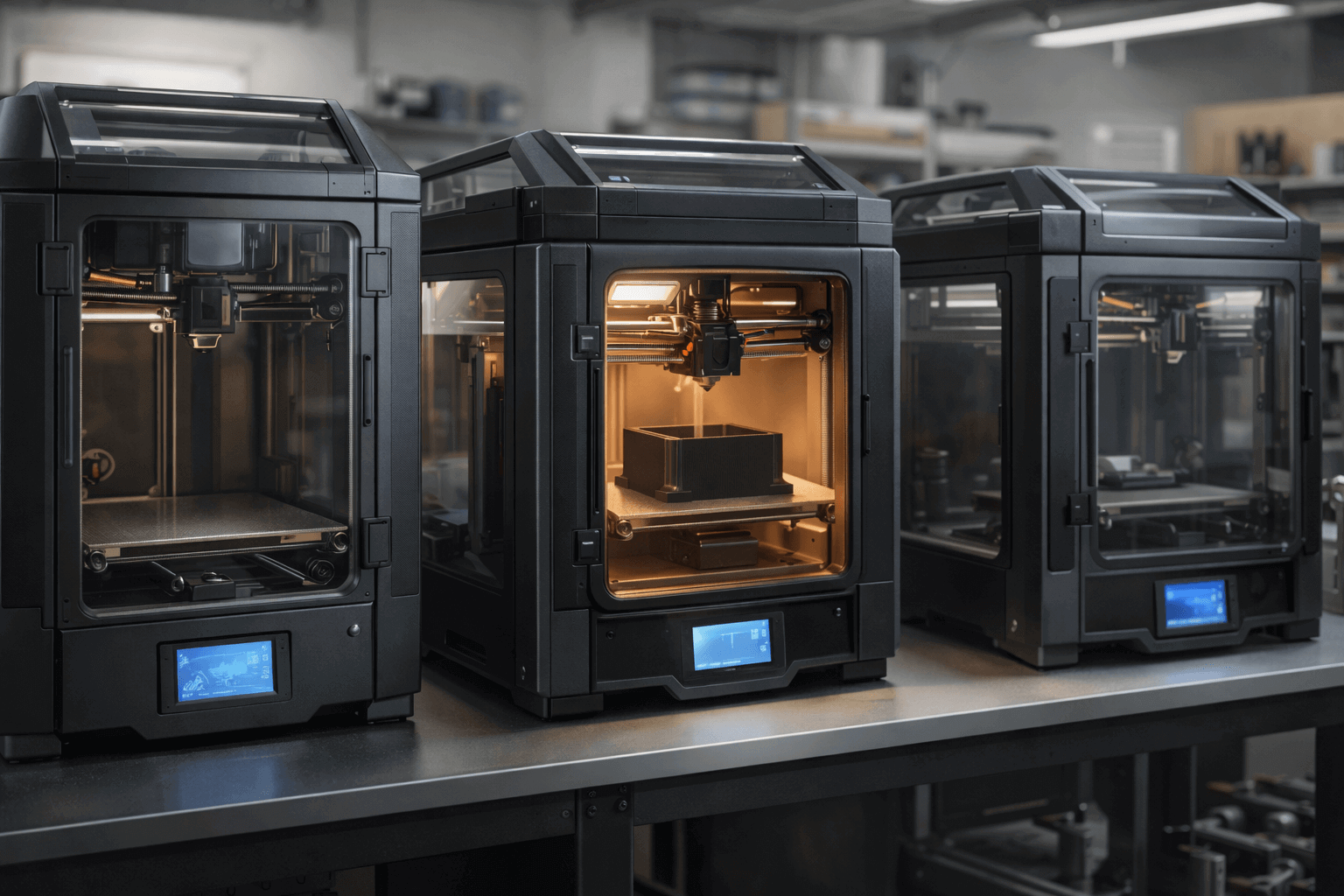
So when we say “enclosed high-temperature 3D printer” in this guide, we’re talking about machines that:
- Are fully enclosed (no open gantry, minimal drafts)
- Have a 250–300°C (or higher) all-metal hotend that can handle Nylon and engineering filaments
- Offer a hot bed (at least 100°C for ABS/Nylon on PEI or similar build surfaces)
- Ideally support a warm chamber environment for long, tall, or bulky parts
This article is for you if:
- You’re tired of ABS parts cracking or lifting off the bed
- You want to move from “PLA toys” to functional, load-bearing parts
- You’re building jigs, fixtures, RC parts, robot frames, or small batch production
- You’re a serious hobbyist, prosumer, or small business who wants reliability, not endless tweaking
In the rest of this guide, we’ll first give you fast recommendations (so you can pick a printer in under 10 seconds), then walk through what really matters for ABS & Nylon (chamber temps, hotends, build plates, ventilation).
After that, we’ll dive into specific enclosed high-temp printers, compare their real ABS/Nylon performance, and finish with simple “if this is you, buy this one” profiles plus an FAQ.
The goal is simple: by the end of this article, you should know exactly which enclosed high-temperature printer fits your budget, your space, and your materials, without having to read 20 different forum threads first.
Quick Recommendations
If you just need the answer fast, here’s the short list.

Each pick is based on real-world ABS/Nylon performance, enclosure quality, chamber stability, and overall reliability discussed frequently across Reddit (r/3Dprinting, r/BambuLab, r/QidiTech), YouTube reviews, and 2024–2025 buyer feedback.
Best Overall (Balance of Speed, Reliability, and ABS/Nylon Performance)
Bambu Lab X1-Carbon / P1S Combo
Fast, enclosed, consistent chamber warmth, and great for ABS/ASA/Nylon with minimal tuning.
Best for Pure Nylon / PA-CF Performance (Strongest Parts)
Large, rigid, and engineered specifically for high-temp filaments. Excellent chamber stability and carbon-fiber materials.
Best Budget Enclosed Option (Beginner-Friendly)
Reliable enclosed design under a lower budget range. Great for ABS, okay for basic Nylon, perfect for beginners.
Best Large-Format Enclosed High-Temp Printer
Creality K2 Plus (High-Temp Enclosure Edition)
A modern, enclosed CoreXY system offering large volume and engineering filament compatibility.
Best Compact ABS Printer for Small Spaces
Small footprint, fully enclosed, and handles ABS/ASA with ease. Ideal for home users.
Best for Small Business / Production Runs
Industrial-level stability, CF-ready hardware, dual extrusion, and consistent chamber environment. Ideal for engineering shops.
Best Plug-and-Play “Zero-Tuning” ABS Experience
The closest thing to “print ABS like PLA.” Great sensors, presets, and auto-calibrations.
Summary Table
| Category | Printer | Why It Wins |
|---|---|---|
| Best Overall | Bambu Lab X1-Carbon / P1S Combo | Fast, enclosed, strong ABS/Nylon reliability |
| Best for Nylon/PA-CF | QIDI X-Plus 3 / X-Max 3 | Hot chamber + stable nylon performance |
| Best Budget | Adventurer 5M Pro | Affordable + enclosed + beginner-safe |
| Best Large Format | Creality K2 Plus | Big, enclosed, and temp-stable |
| Best Compact | P1S | Small footprint, strong ABS performance |
| Best for Small Business | Raise3D E2CF | Industrial-level nylon/PA-CF |
| Best Plug-and-Play | X1-Carbon | Most automated enclosed system |
Why You Need an Enclosed High-Temperature Printer for ABS & Nylon
ABS and Nylon are incredible engineering materials — strong, durable, heat-resistant — but they’re also some of the least forgiving filaments to print. If you try them on an open-frame printer, you’ll usually hit the same three failures:
- Corners lift off the bed (warping)
- Layers split halfway up the print
- Tall or thick parts crack internally
These failures aren’t random. They happen because ABS and Nylon shrink a lot as they cool.
If the external environment around the print swings in temperature or gets hit by a draft, the outer layers contract too fast and pull on the rest of the part.
An enclosure solves that problem.
1. Enclosures keep the print warm and stable
ABS prints best when the air around the part stays at 40–60°C.
Nylon often prefers even warmer and draft-free conditions.
A closed chamber traps the heat from the bed and hotend, maintaining a stable micro-climate. This cuts down warping by a huge margin, especially for:
- Big flat parts
- Tall mechanical components
- Functional, load-bearing prints
- RC parts, brackets, jigs & fixtures
Without that enclosed warmth, ABS curls at the corners and Nylon cracks like dry wood.
2. Engineering filaments need high temperatures — consistently
To print ABS, ASA, Nylon, and Nylon-CF properly, your printer must reach:
- Hotend: 250–300°C
- Bed: 90–110°C
- Chamber: 40–60°C (even passive helps a lot)
Most open-bed printers lose heat instantly. They can hit the temperature numbers, but they can’t hold them.
Enclosed printers avoid this temperature “yo-yo,” which makes prints:
- Stronger
- Smoother
- More dimensionally accurate
- Less prone to mid-print cracking
3. Drafts kill ABS/Nylon prints instantly
Even a short burst of cool air can shock ABS or Nylon into shrinking too fast.
Draft sources include:
- Air conditioners
- Open windows
- Ceiling fans
- People walking by the printer
An enclosure protects the print from all of that — which is why serious makers won’t run high-temp filaments without one.
4. Better adhesion, stronger layer bonds, fewer failures
A warm and stable chamber allows each new layer to fuse with the previous ones under gentler cooling. This gives:
- Stronger parts
- Better heat resistance
- Fewer weak seams
- Better fatigue resistance
- More professional results
Nylon, especially, shows dramatic improvement when printed in a consistent environment.
5. Safety & fumes: ABS is smelly, Nylon produces microparticles
Printing ABS or Nylon releases noticeable fumes and ultrafine particles.
Enclosed printers often include:
- Activated carbon filters
- HEPA-style filtration
- Controlled airflow paths
Your room will smell less, and you’ll reduce particle spread compared to an open printer.
6. Some filaments only print well in enclosed systems
Beyond ABS/Nylon, other materials also benefit from enclosed high-temp machines:
- ASA
- PC / PC-Blend
- PA12 / PAHT
- Carbon-fiber Nylon (PA-CF)
- ABS+ blends
If you want to step into real “engineering-grade” printing, an enclosed printer becomes a requirement, not a luxury.
In short:
If you want ABS and Nylon to behave like PLA — predictable, smooth, and reliable — you need:
✔ A fully enclosed printer
✔ A high-temp hotend
✔ A stable warm chamber
✔ A draft-free printing environment
An enclosure turns these tricky materials into something you can print confidently, even as a beginner.
Buyer’s Guide: The 8 Things That Actually Matter
Most “high-temperature” printers online claim they can print ABS or Nylon — but the real test is whether they can do it reliably, without warping, and without constant tuning.
The features below are the ones Reddit users, YouTube reviewers, and long-term owners consistently point to as the real difference-makers.
This is your practical checklist.
1. A Fully Enclosed, Draft-Free Chamber (Minimum 40–60°C)
If you only check ONE requirement, check this.
ABS and Nylon shrink as they cool. A closed chamber keeps the heat in and the drafts out, so the layers don’t crack or warp. The best enclosed printers either:
- Maintain a naturally warm chamber using bed heat
- Or use active heating for a stable 45–60°C environment
Skip any “ABS-capable” printer that isn’t enclosed.
They’re technically capable, but practically unreliable.


2. All-Metal Hotend (260–300°C or Higher)
ABS and Nylon need real temperature headroom.
A proper all-metal hotend rated at 300°C allows:
- ABS
- ASA
- Nylon / PA
- Nylon-CF / PAHT
- PC blends
Avoid printers with:
- PTFE-lined hotends (PTFE degrades above ~245°C)
- “Marketing-only” 260°C claims that can’t hold the temperature
A stable high-temp hotend = fewer jams and stronger parts.
3. Direct-Drive Extruder (Nylon-Friendly)
Nylon is slippery, flexible, and hygroscopic.
Bowden setups often struggle with:
- Under-extrusion
- Retraction inconsistencies
- Stringing
A direct-drive extruder gives cleaner control, better flow, and more reliable nylon printing — especially with PA-CF and PA12.

4. High-Temperature Build Plate (PEI / Textured PEI / Engineering Surface)
For ABS and Nylon, a good build surface matters almost as much as the enclosure.
Look for:
- Textured PEI
- Smooth PEI
- Engineering-grade plates (Garolite/FR-4 for Nylon)
- High-temperature magnetic base that doesn’t demagnetize at 110°C
Avoid:
- Cheap glass plates (poor adhesion)
- Weak adhesives or glue-stick dependency
A good plate means fewer lifts and better bottom-layer quality.
5. Real Chamber Airflow Management (Carbon Filter Optional)
ABS and Nylon emit noticeable fumes.
Modern enclosed printers solve this with:
- Controlled airflow direction
- Activated carbon filtration
- Optionally HEPA-style systems
This is good for indoor home use and prevents fumes from spreading into your workspace.
Bonus: filtered airflow reduces temperature oscillation → stabilized prints.


6. Rigid Frame + CoreXY Motion System (Highly Recommended)
Not mandatory, but if you want the best results:
- CoreXY designs offer faster prints, smoother motion, and better accuracy
- Rigid metal frames reduce ringing and keep tall nylon prints from wobbling
- Better motion → better layer bonding and part strength
This is why printers like Bambu, QIDI, Creality K2, and Raise3D dominate enclosed high-temp categories.
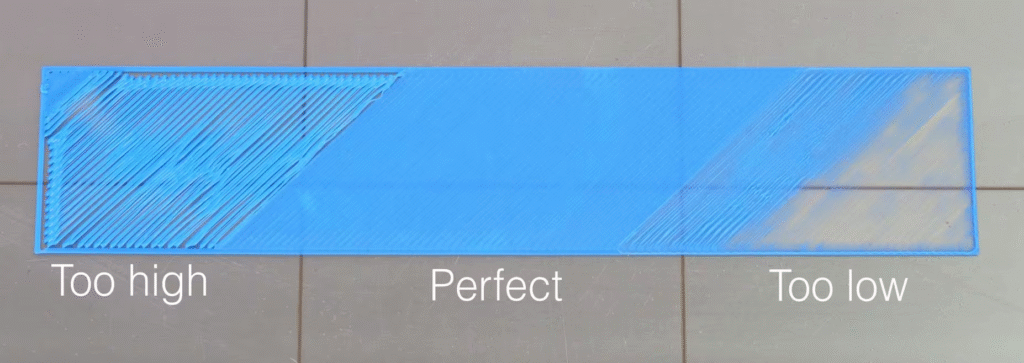
7. Auto Bed Leveling + Good First-Layer Sensors
High-temp filaments have zero tolerance for a bad first layer.
Look for:
- Automatic mesh leveling
- Sensors for nozzle height
- Pressure/optical first-layer assistants
Bambu’s Lidar, Creality’s ABL, and QIDI’s mesh leveling all help beginners succeed.
Good leveling = higher ABS/Nylon success rate.
8. Brand Ecosystem, Firmware, and Community Feedback
Reddit and YouTube reveal a pattern: users trust brands that maintain:
- Reliable firmware updates
- Active communities
- Proper replacement parts support
- Straightforward tuning guidance
For ABS and Nylon, support matters more because you’re dealing with higher temps, more variables, and more precision.
Bottom line:
If you want a printer that handles ABS or Nylon without babysitting, choose one that is:
✔ Fully enclosed
✔ 260–300°C hotend
✔ 100°C heated bed
✔ Stable chamber temp
✔ Direct-drive
✔ Rigid frame
✔ Automated leveling
✔ Good community support
Best Enclosed High-Temperature 3D Printers (2025 Picks)
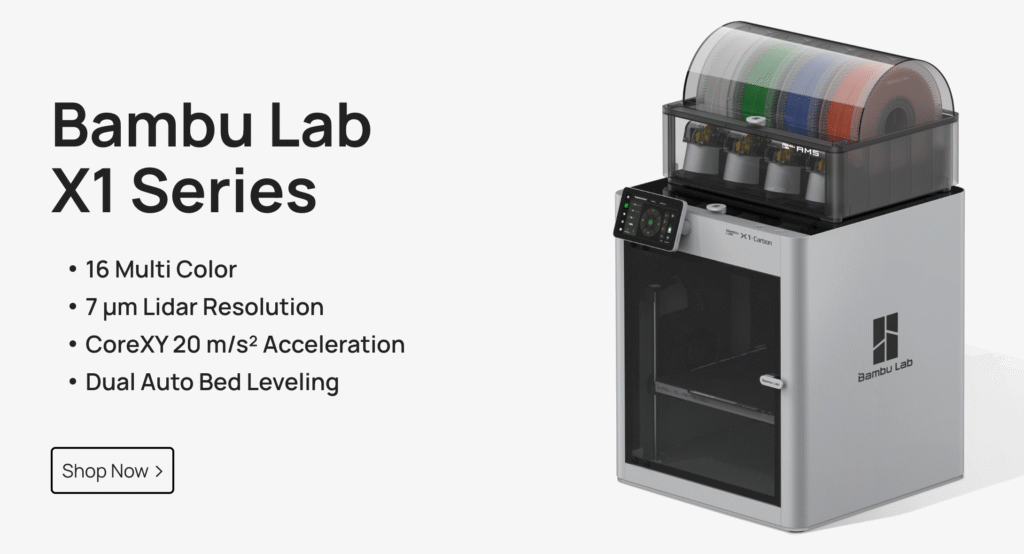
1. Bambu Lab X1-Carbon / P1S Combo — Best Overall for ABS & Nylon
Why it stands out
If you want a machine that prints ABS and Nylon with the least amount of tuning, this is it. The enclosure is well-designed, the chamber stays warm during long prints, and Bambu’s auto-calibration workflow makes high-temp materials almost as easy as PLA.
Real ABS/Nylon performance
- ABS prints hold extremely well thanks to consistent chamber temps and stable airflow.
- Nylon and Nylon-CF profiles are reliable out of the box; many Reddit makers use X1C for jigs, brackets, and RC parts.
- Minimal corner lift thanks to a warm enclosure + PEI plate.
- Better layer bonding vs open printers due to controlled heat retention.
Key Specs
- Nozzle: 300°C
- Bed: 110°C
- Chamber: Passive but effective (35–45°C depending on print & room)
- Build Volume: ~256 × 256 × 256 mm
- Materials: ABS / ASA / PETG / PA / PA-CF / PC blends
Pros
- True “plug-and-play” ABS & Nylon experience
- Excellent PEI adhesion
- Fast CoreXY
- Very strong auto-calibration (nozzle, flow, vibration, lidar first layer on X1C)
- Huge community support, stable firmware updates
Cons
- Chamber isn’t actively heated (still enough for ABS/ASA/PA for most users)
- Bambu ecosystem is somewhat closed (nozzle and parts are proprietary)
Best for:
Anyone who wants ABS/Nylon without the headache — beginners to advanced users.
Ideal for home, prosumers, product developers.
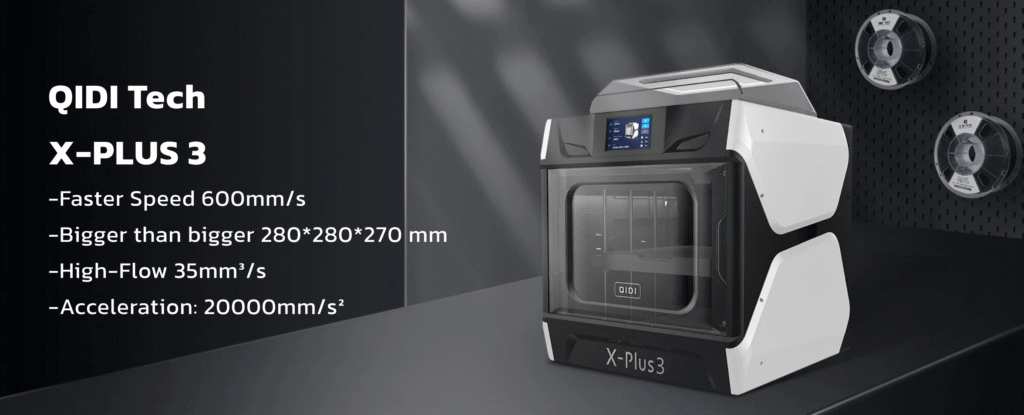
2. QIDI X-Plus 3 / X-Max 3 — Best for Nylon, PA-CF & Engineering Materials
Why it stands out
QIDI is a favorite on Reddit for engineering filaments.
Compared to Bambu, QIDI’s newer enclosed printers offer hotter chambers, better heat retention, and extremely stable high-temp performance, especially for PA12, PAHT, and carbon-fiber Nylon.
Many professional makers label the X-Plus 3/X-Max 3 as “workhorse nylon machines.”
Real ABS/Nylon performance
- Excellent Nylon/PA-CF quality with almost zero warping
- More chamber warmth than Bambu → stronger layer adhesion
- Perfect for large functional parts, brackets, fixtures
- Reliable high-temp build plates, very flat
- Better than most printers for pure engineering filaments
Key Specs
- Nozzle: 350°C
- Bed: 120°C
- Chamber: 50–60°C passive, highly insulated
- Build Volume:
- X-Plus 3: 280 × 280 × 270 mm
- X-Max 3: 325 × 325 × 315 mm
- Materials: ABS / ASA / PA / PA-CF / PC / PEI blends
Pros
- The most stable high-temp performance in this price range
- Truly excellent Nylon/CF results
- Spacious enclosure, great for bigger parts
- More “industrial” than Bambu for engineering plastics
- Very strong value compared to Raise3D
Cons
- Not as fast or automated as Bambu
- Firmware/UI feels more utilitarian
- Larger footprint
Best for:
Small businesses, prototyping labs, RC builders, robotics teams — anyone who wants the strongest Nylon/PA-CF prints with minimal fuss.
3. Flashforge Adventurer 5M Pro — Best Budget Enclosed Option

- Efficiency Driving Creativity: The high-performance of the Adventurer 5M Pro 3D printer offers you greater creative potential. With a maximum travel…
- Quality Assurance for Intricate Details: Fast printing doesn’t compromise on quality. The Core XY structure and all-metal frame ensure stability…
- Smart Convenience and Innovative Experience: Adventurer 5M Pro employs pressure sensing for automatic bed leveling. It detects platform height with…
- User-Friendly Operation: Unbox to print in 10 mins. Integrated smart management via mobile app-Flash Maker includes remote video monitoring, real-time…
- Extensive Material Compatibility: Supports PLA, ABS, PETG, ASA, TPU, PC, PLA-CF, and PETG-CF materials. Its robust full-metal direct extruder,…
Why it stands out
You’ll see this model everywhere in beginner ABS discussions.
It’s not a premium, high-wattage chamber machine — but it gets the basics right: full enclosure, decently stable temps, easy operation, and clean ABS results for under the cost of most CoreXY machines.
Real ABS/Nylon performance
- ABS prints are clean with noticeably less warping than open printers
- Nylon works, but better with dryer + slower speeds
- Perfect for beginners or budget-conscious users wanting enclosed printing
Key Specs
- Nozzle: 280°C
- Bed: 110°C
- Chamber: Passive enclosure
- Build Volume: 220 × 220 × 220 mm
Pros
- Excellent value for price
- Easy setup, beginner-friendly
- Good for ABS/ASA
- Small footprint
Cons
- Limited for Nylon-CF
- Slower speeds
- Build volume smaller than mid-range models
Best for:
Budget users, students, classrooms, or beginners wanting safe, practical ABS printing without spending more.
4. Creality K2 Plus — Best Large-Format Enclosed ABS/Nylon Printer

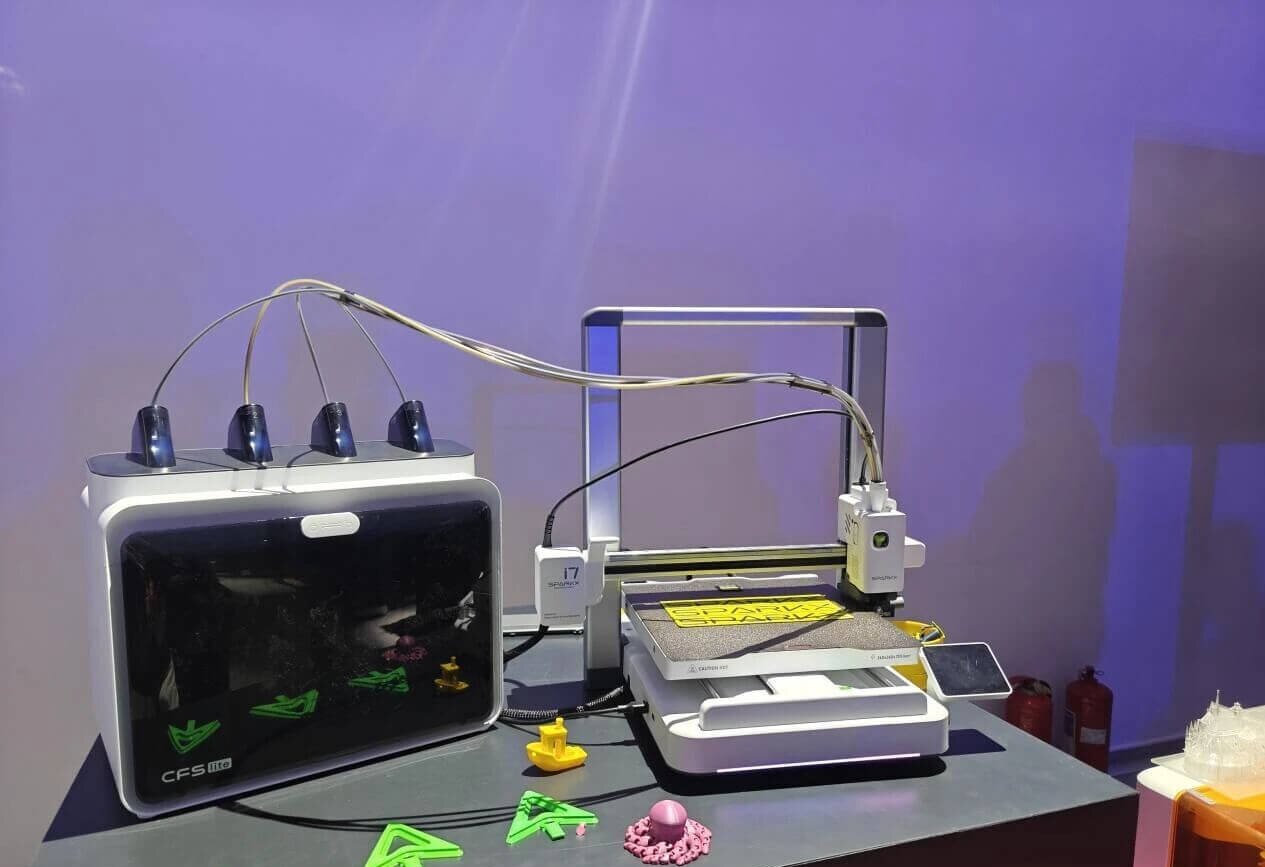
- Multicolor Printing with CFS: The K2 Plus Combo includes the K2 Plus 3D printer and one CFS (Color Filament System) unit. The CFS has four slots to hold different filament colors simultaneously. With…
- Ultra-Fast Speed & High Precision: Achieve an incredible 600mm/s print speed with up to 30,000mm/s² acceleration while maintaining fine details at 0.05mm precision. Despite its speed, the printer…
- Spacious Build Volume: With a 350×350×350mm print area, you can create large models, intricate designs, or multiple parts in one go. The aerospace-grade aluminum alloy frame ensures stability for…
- Smart Filament Management: The included CFS unit allows for automatic filament switching between four different colors. It also provides sealed storage and drying, keeping filaments in optimal…
- Next-Gen AI Automation & Monitoring: Equipped with dual AI cameras and 18 sensors, the system actively monitors the nozzle and print chamber, detecting spaghetti faults, flow inconsistencies, and…
Why it stands out
The K2 Plus gives something rare in this segment: a modern CoreXY with a big build volume and an enclosed frame, suitable for large ABS/ASA parts, cosplay pieces, robotics frames, or small-batch production.
The updated high-temp enclosure kit allows it to handle ABS/ASA/Nylon far better than older Creality machines.
Real ABS/Nylon performance
- Excellent chamber stability due to larger surface area + enclosure
- Good for long tall parts (reduced mid-height cracking)
- CoreXY motion improves layer consistency on bigger prints
- Great bang for large-scale ABS work
Key Specs
- Nozzle: 300°C
- Bed: 110°C
- Chamber: Enclosed, stable passive heat
- Build Volume: 350 × 350 × 350 mm
Pros
- Huge build volume
- Modern frame, stiff motion system
- Ideal for big ABS pieces
- Better price than industrial alternatives
Cons
- Needs proper ventilation for big ABS jobs
- Not as “automatic” as Bambu
Best for:
Makers printing large ABS or Nylon parts — cosplay, robotics, functional prototypes, jigs.
5. Raise3D E2CF — Best for Small Business & Production-Grade Nylon-CF

- The E2CF has slicing profiles that have been repeatedly tested and verified by our engineers in ideaMaker
- Dual IDEX Direct Drive Extrusion System Engineered for Printing Carbon Fiber Reinforced Filament
- Large Build Volume – Single: 13″ × 9.4″ × 9.4″ Dual: 11.6″ × 9.4″ × 9.4″
- Maximum Nozzle Temp: 300ºC
- Flexible Steel Removable Build Plate w/Max Temp of 110ºC
Why it stands out
Raise3D is the category leader for “print it, sell it” professional production.
The E2CF is specifically optimized for carbon-fiber Nylon — rigid frame, dual IDEX system, and stable chamber temps.
Businesses choose it because it runs all day with minimal failures.
Real ABS/Nylon performance
- Superb PA12-CF, PAHT-CF, and engineering materials
- Enclosure maintains consistent temperature over long print cycles
- Professional surface finish and dimensional accuracy
- Built for repeatability rather than speed
Key Specs
- Nozzle: 300°C
- Bed: 110°C
- Chamber: Fully enclosed, insulated
- Build Volume: 330 × 240 × 240 mm (IDEX)
- Materials: PA12-CF, PAHT-CF, ABS, ASA
Pros
- True professional reliability
- Dual extrusion (IDEX)
- Best for production-grade Nylon-CF
- Trusted in print farms and engineering labs
Cons
- Pricey
- Slower than CoreXY competitors
- Industrial ecosystem (less beginner-oriented)
Best for:
Small businesses, engineering teams, and anyone selling functional carbon-fiber Nylon parts.
Comparison Table (ABS & Nylon Capabilities)
| Printer | Chamber Type | Max Nozzle Temp | Max Bed Temp | Real Chamber Temp (Typical) | Build Volume | ABS Reliability | Nylon/PA-CF Reliability | Who It’s For |
|---|---|---|---|---|---|---|---|---|
| Bambu Lab X1-Carbon / P1S Combo | Fully enclosed, passive heat | 300°C | 110°C | ~35–45°C | 256×256×256 mm | ★★★★★ Stable, low warp | ★★★★☆ Good with CF | Best overall / plug-and-play |
| QIDI X-Plus 3 | Fully enclosed, insulated | 350°C | 120°C | ~45–60°C | 280×280×270 mm | ★★★★★ Excellent | ★★★★★ Best-in-class | Best for Nylon & engineering filaments |
| QIDI X-Max 3 | Fully enclosed, insulated | 350°C | 120°C | ~45–60°C | 325×325×315 mm | ★★★★★ Excellent | ★★★★★ Best for large PA-CF | Larger engineering projects |
| Flashforge Adventurer 5M Pro | Fully enclosed, passive | 280°C | 110°C | ~30–35°C | 220×220×220 mm | ★★★★☆ Reliable for ABS | ★★★☆☆ OK for basic Nylon | Best budget enclosed option |
| Creality K2 Plus (Enclosed) | Fully enclosed | 300°C | 110°C | ~35–45°C | 350×350×350 mm | ★★★★☆ Strong | ★★★★☆ Good with PA/PA-CF | Best large-format enclosed |
| Raise3D E2CF | Fully enclosed, insulated | 300°C | 110°C | ~45–55°C | 330×240×240 mm (IDEX) | ★★★★★ Industrial-level | ★★★★★ The best for PA-CF | Small business / production |
Key Observations
QIDI (X-Plus 3/X-Max 3) is unmatched for Nylon and carbon-fiber Nylon thanks to its hotter chamber and 350°C hotend.
• Bambu X1C/P1S is the easiest to use — the best “ABS like PLA” experience.
• Flashforge A5M Pro is the only true budget enclosed machine worth recommending for ABS.
• Creality K2 Plus is the clear choice for anyone needing big ABS/Nylon parts at reasonable cost.
• Raise3D E2CF stands alone as a commercial, production-grade CF Nylon machine.
Performance Tests: What Really Matters for ABS & Nylon
Most spec sheets look impressive, but ABS/Nylon printing succeeds or fails on only three real tests.
This section helps you understand why certain printers outperform others.
1. Warping Test — Big Flat ABS Plate
This is the classic ABS torture test:
A large, flat rectangle with sharp corners will expose whether a printer’s chamber and bed adhesion are stable.
What happens on weak setups:
- Corners lift
- Edges curl
- Mid-bottom cracks appear
Why enclosed high-temp printers win:
- Warmer chamber = slower cooling
- Less thermal contraction = cleaner bottom layers
- PEI + stable heat = no lifting
Top performers: QIDI X-Plus 3 / X-Max 3, Bambu P1S/X1C
2. Nylon Stringing & Moisture Control Test
Nylon is hygroscopic — it absorbs moisture quickly and becomes stringy.
What a good printer needs:
- Direct-drive extruder with precise retraction
- High, stable nozzle temps
- Smooth filament path
- Consistent chamber warmth
What you see on poor setups:
- Heavy stringing
- Inconsistent layers
- Weak layer adhesion
Top performers: QIDI, Raise3D, Bambu X1C (excellent flow calibration)
3. Layer Adhesion Test — Tall ABS/Nylon Tower
Tall prints reveal whether the chamber stays warm.
Good printers show:
- Smooth walls
- No cracks or mid-height fractures
- Solid mechanical strength
Bad printers show:
- Horizontal cracks
- Layer separation
- Deformation at mid-height
Top performers: QIDI (best), Raise3D, Bambu X1C/P1S
Simple Final Answer
- Best Overall: Bambu X1-Carbon
- Best for Nylon/PA-CF: QIDI X-Plus 3 / X-Max 3
- Best Budget: Adventurer 5M Pro
- Best Large ABS Printer: Creality K2 Plus
- Best For Business: Raise3D E2CF
FAQs
Can Bambu Lab printers print ABS and Nylon?
Yes.
Both the P1S and X1-Carbon handle ABS, ASA, and Nylon reliably thanks to their enclosed design, strong airflow control, stable bed temps, and good factory profiles. While the chamber isn’t actively heated, real users consistently report very low warping and high success rates for typical ABS/ASA and even Nylon/PA-CF prints.
If you need very high chamber temps for PA12 or PAHT, QIDI or Raise3D still perform better.
Do I really need an enclosure to print ABS?
If you want consistent results — yes.
ABS shrinks quickly when it cools, so open-frame printers struggle with:
- Corner lifting
- Cracked walls
- Mid-height fractures
An enclosure keeps temperatures stable and eliminates drafts, which is essential for successful ABS prints.
What chamber temperature is ideal for ABS and Nylon?
- ABS / ASA: ~40–50°C chamber
- Nylon / PA-CF: ~45–60°C chamber
You don’t always need active heating — a well-sealed enclosure with a 100–110°C bed often reaches these temperatures naturally.
Is ASA easier to print than ABS?
Yes.
ASA is basically “UV-resistant ABS with fewer mood swings.”
It warps less and smells less, making it a great alternative if you want outdoor durability without the full ABS struggle.
Can I add an enclosure to a non-enclosed printer for ABS?
It helps, but it’s not perfect.
A DIY enclosure improves ABS chances, but:
- Drafts still leak in
- Bed heat is sometimes insufficient
- Some electronics may not like trapped heat
- Chamber temps are inconsistent
For occasional ABS it’s fine; for regular ABS or Nylon, a purpose-built enclosed printer is far more reliable.
Do I need a 300°C hotend to print ABS or Nylon?
- ABS: Nozzle 230–250°C is enough, but headroom helps.
- Nylon: Many blends need 250–280°C, and PA12/PAHT often demand 280–300°C.
A 300°C-rated all-metal hotend ensures stability and avoids PTFE damage.
Is printing ABS indoors safe?
ABS releases noticeable fumes and ultrafine particles.
It’s safe if you use:
- A fully enclosed printer
- A carbon filter
- Basic room ventilation
If air quality is a concern, ASA or PETG might be better alternatives.
Is Nylon harder to print than ABS?
It’s different — not harder.
Nylon is:
- More flexible
- More temperature-sensitive
- Extremely moisture-sensitive
- Easier to string if wet
- Stronger when printed hot and stable
With a good enclosure + dry filament, Nylon becomes very predictable.
What’s the easiest engineering filament to print?
ASA — it has most of ABS’s strength but warps less.
After that:
PETG → ABS → Nylon → Nylon-CF → PC → PEI blends (from easiest to hardest).
What build plate works best for ABS and Nylon?
- ABS: Textured PEI or smooth PEI at 100–110°C
- Nylon: Garolite (FR-4), textured PEI, or glue-stick on PEI
Nylon is prone to over-sticking on some surfaces — Garolite is safest.
What’s the best budget printer for ABS?
Flashforge Adventurer 5M Pro.
Full enclosure, decent temps, beginner-friendly, and the best ABS performance in the low-budget space.
Do enclosed printers reduce noise?
Yes — dramatically.
The enclosure walls absorb mechanical and airflow noise, making enclosed models much quieter than open-frame printers, especially at high speeds.
Which enclosed printer has the best Nylon performance overall?
QIDI X-Plus 3 / X-Max 3 for most users.
Raise3D E2CF for commercial production-level CF Nylon