If you’ve ever tried to print a cosplay helmet, a full-size prop, a giant vase, or a one-piece functional part, you already know the truth: regular printers just aren’t big enough.
Once you step past the 250–300 mm range, your projects start hitting size limits fast.
That’s where large-format 3D printers come in.
These machines give you the space to print big items in one shot, without chopping models into awkward pieces or dealing with messy seams.
And the best part?
In 2025, large printers aren’t slow, shaky, or “only for experts” anymore. CoreXY frames, smarter auto-calibration, and better temperature control finally make big prints reliable at home.
This guide shows you the best large-format 3D printers you can buy in 2025, based on real community feedback from Reddit, YouTube reviews, and thousands of user experiences.
Whether you’re a cosplay maker, a DIY builder, or someone running a small Etsy shop, this list will help you find the right machine without wasting weeks comparing specs.
Let’s start with a quick, no-nonsense recommendation chart so you know exactly where to look.
Quick Recommendations
If you just want the best picks without reading the full breakdown, here’s the fast answer. These are the top large-format 3D printers of 2025, chosen for build volume, print quality, reliability, and real user feedback.
🏆 Best Overall Large-Format Printer: Creality K2 Plus (350×350×3500 mm)
A fast, enclosed CoreXY machine that finally makes big prints as reliable as small ones. Great for cosplay, props, and large functional parts.
Best Budget Large-Format Pick: Anycubic Kobra 3 Max (420×420×500 mm)
Huge build area for the price. Very fast for a budget machine, though QC varies. Best for beginners who want size > perfection.
No products found.
Best for Cosplay Helmets & Props: Artillery Sidewinder X4 Plus (300 x 300x 400mm)
Smooth surfaces, good speed, and a footprint perfect for full helmets. A favorite among prop makers.
Best “Print Absolutely Massive” Option: Elegoo OrangeStorm Giga (800mm x 800mm x 1000mm)
If you want one-piece armor parts or furniture-sized prints, this is one of the few machines that can do it. Not for beginners.
Best DIY / Expert Choice: Voron 2.4 (350 or 450 mm)
If you’re willing to build it, a Voron still delivers the most stable large-format CoreXY performance money can buy.
No products found.
Best Premium All-In-One: Snapmaker Artisan (400×400×400 mm)
A refined, fully enclosed system with linear rails, excellent precision, and optional CNC/laser heads. Great for studios and pros.
How to Choose a Large-Format 3D Printer
Choosing a big 3D printer isn’t the same as picking a normal 220×220 machine.
Once the build volume gets past 300 mm, everything becomes harder: keeping the print stable, keeping temperatures even, preventing warping, and making sure the machine doesn’t shake itself apart during long jobs.
Below is a simple guide that helps anyone understand what matters — even if you’re new to 3D printing.
When Do You Actually Need a Large Printer?
Most people upgrade when their projects start to hit size limits.
You probably need a large-format machine if you want to print:
- Full-size cosplay helmets
- One-piece armor, props, or shields
- Large vases or decorative pieces
- Drone frames or RC airplane parts
- Furniture joints and home DIY parts
- Big mechanical enclosures
- Multi-day prototypes without seams
If you’ve ever sliced a model and thought, “Ugh, why do I have to cut it into six pieces…?” — a large-format printer solves that.
Why Large Printers Fail More Often
This is one of the most repeated warnings on Reddit:
“Big printers multiply every small problem.”
Here’s why:
- Bigger beds warp more easily
- Longer axes expose frame flex and wobble
- More surface area = more curling & warping
- Longer print times increase failure risk
- Temp differences inside an open frame cause layer separation
This is exactly why “cheap but huge” printers often disappoint.
Must-Have Features for Large-Format Printing
1) A Rigid CoreXY Frame (not a giant bedslinger)
Once you pass 300 mm, nearly all experts prefer CoreXY.
It stays square, reduces ringing, and keeps speed consistent.
2) An Enclosure or Chamber Control
Large PLA, PETG, ASA, and ABS prints crack easily in open air.
A chamber keeps the temperature stable over long print times.


3) Smart Auto-Leveling + Z Calibration
You can’t manually level a 400-mm bed reliably.
Look for:
- Multi-point auto leveling
- Z-offset calibration
- Flow calibration (bonus)
4) Input Shaping & High-Speed Motion Control
Large prints = more ringing.
Modern input shaping removes artifacts and keeps lines clean.
5) Belt tensioners + linear rails (optional but ideal)
Long axes need stiffness to avoid wobble and layer shifts.
6) Filament runout + power-loss recovery
Big objects take 24–72 hours. These are lifesavers.


What NOT to Buy in 2025 (Common Mistakes)
These points come up constantly on r/3Dprinting:
- Avoid oversized Ender-style bedslingers past 300 mm
- Skip open-frame models if you plan to print ABS/ASA
- Avoid old 8-bit or non-input-shaping firmware
- Don’t buy a “cheap giant printer” expecting premium results
- Avoid printers without auto bed leveling
These machines can work, but they are much harder to tune for big prints.
Best Large-Format 3D Printers 2025
Below are the large-format printers that stand out this year — not just because of specs, but because they actually deliver reliable big prints at home.
Each pick includes pros, cons, and who it’s truly for.
Creality K2 Plus — Best Overall Large-Format Printer (350 × 350 × 350 mm)

- MULTI-COLOR PRINTER: The Creality K2 Plus multi-color/multi-material printing feature brings your designs to life and showcases your creativity to perfection! Multi-color Printing Requires a Creality CFS Connection. Note: CFS is not included in this product
- 600MM/S TRUE HIGH SPEED: K2 plus 3D printers lightning-fast print speed lets you focus on creating, not waiting; and at 600 mm/s and 30,000 mm/s² Accelerated, it operates at just 45 dB, no louder than typing on a laptop
- EXTRA-LARGE, QUIET POWERHOUSE: As a professional 3D printer, K2 Plus boasts an extra-large creation space of 350*350*350 mm, perfect for working with larger objects or larger batches. It is the
- DUAL AI CAMERAS & AUTOMATION: K2 Plus is equipped with 18 intelligent sensors. Everything is automated and closely monitored. It has two AI cameras. One is on the side of the chamber to monitor pasta faults, idling, and more. The other is on the tool head for optimizing the flow rate. No more underfeeding or overfeeding. This gives everyone an expert first layer
- HASSLE-FREE USE: The printer comes pre-assembled and ready to use after unpacking and installing the screen. The power-up quick guide covers self-tests such as leveling and fan calibration. A built-in belt tension sensor proactively checks and adjusts belt tension
If you want a printer that balances size, speed, and reliability without jumping into the $2,000+ range, the K2 Plus is by far the most complete option in 2025.
It’s a fully enclosed CoreXY machine with smart auto-calibration and stable high-speed printing — something older large-format printers really struggled with.
Why it stands out
Most 350-mm printers slow down or shake when printing larger parts, but the K2 Plus holds its speed thanks to its rigid CoreXY frame and chamber control. In community discussions, many users call it “the first big printer that feels like a modern high-speed machine.”
Pros
- True CoreXY motion → stable large prints
- Enclosed chamber for strong PLA/PETG/ABS
- Auto-leveling + Z calibration
- High-speed printing suitable for cosplay & props
- Clean surface quality with input shaping
- Great value for its size class
Cons
- Large footprint; needs space
- Some users report that chamber heat-up is slower than expected
- Enclosed design means you need good ventilation for ABS/ASA
Best for
- Cosplay makers
- Etsy sellers
- Hobbyists printing helmets, armor, and large décor pieces
- Anyone who wants “big but reliable”
Anycubic Kobra 3 Max — Best Budget Large-Format Pick (420×420×500 mm)
No products found.
If your priority is size per dollar, nothing beats the Kobra 3 Max. You get a massive 420×420×500 mm volume, fast printing, and decent auto-leveling — all at a budget-friendly price.
Why it stands out
This model is often recommended by beginners on Reddit because it’s accessible, fast, and affordable. You won’t get the stability or enclosure of a CoreXY machine, but for oversized PLA and PETG prints, it’s impressive for the cost.
Pros
- Huge print volume for the price
- Fast for a budget machine
- Easy auto-leveling
- Popular with beginners upgrading from an Ender
Cons
- It’s still a bedslinger → can wobble when tall
- Open frame = not ideal for ABS
- QC varies; some units need tuning
Best for
- Beginners wanting the biggest size under $600
- Hobbyists printing large decorative models
- People okay with tuning for best results
Artillery Sidewinder X4 Plus — Best for Cosplay Helmets
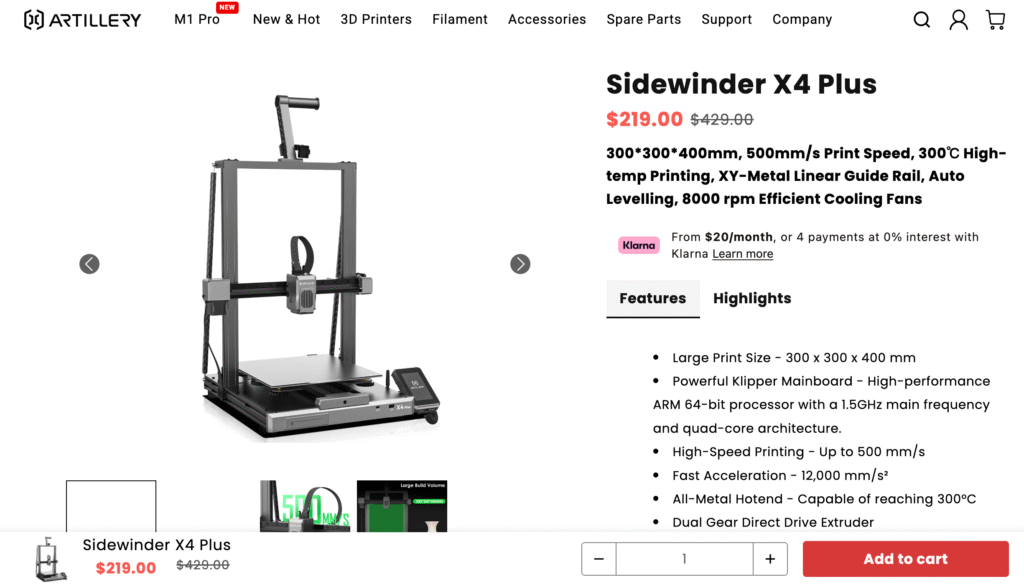
For cosplay makers who want smooth surfaces, consistent layers, and reliable speed, the X4 Plus hits a great balance. It’s one of the most recommended 350–400 mm printers in prop-making groups.
Why it stands out
The X4 Plus produces noticeably clean walls on large curved surfaces, making it ideal for helmets, chest plates, and props where surface smoothness matters. It also runs fairly quiet — a plus for home workshops.
Pros
- Excellent surface quality
- Good speed + stable frame
- Great for helmets and curved props
- Usually easy to set up
Cons
- Firmware updates can be slow
- Occasional issues with stock cooling
- No full enclosure included
Best for
- Cosplay builders
- Makers who care about surface quality
- Anyone printing large curved parts
Elegoo OrangeStorm Giga — Best for Massive One-Piece Prints (800 mm Class)
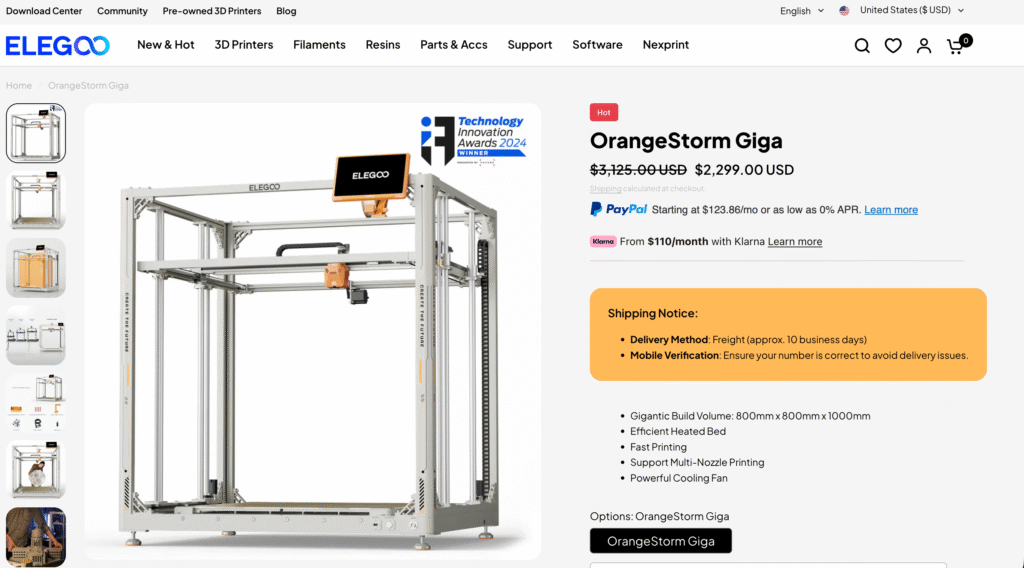
The Giga is one of the few consumer printers that truly deserves the word massive. With an 800 mm class build area, it’s designed for furniture-sized projects, giant props, and industrial-scale prototypes.
Why it stands out
When your projects are so big that even a 400-mm printer feels small, the Giga steps in. It’s not for beginners, but in the right hands, it can produce enormous single-piece objects no other consumer printer can match.
Pros
- Huge 800 mm build volume
- Multi-nozzle options
- Ideal for full armor, furniture projects, and giant prototypes
Cons
- Very large footprint
- Needs careful tuning
- More “prosumer/industrial” than hobbyist-friendly
- Not the quietest machine
Best for
- Makers who need “absolute maximum size”
- Professional workshops
- Giant cosplay props (one-piece shields, swords, armor)
Snapmaker Artisan — Best Premium All-In-One (400×400×400 mm)

- [To Make 3-in-1 Function for Every Passion]: One Machine Does It All. You can make Snapmaker Artisan 3D printer to 3-in-1 version with 3D printing,laser engraving&cutting and CNC Carving, and helps enhance efficiency with the modular and quick-swap design. Please note: This model only includes 3D Printing version. For 3 in 1 version with laser engraving/CNC carving, Please check “Bundles with this item” below the product title..
- [One of the Largest Working Area 3D Printer]: Artisan large 3D printer achieves complex projects with ease in 400mm x 400mm x 400mm large work area. Save workspace,Quick-swap Toolheads & Platforms let you shift between 3DP, Laser and CNC in 1 minute, catering to both daily and professional needs
- [Enhanced Dual Extrusion 3D Printing]: Improve performance in printing speed and precision with the Dual-extrusion 3D Printing Module that is equipped with 7:5:1 planetary plus dual extrusion gears.
- [All-Metal Design,Next Level]: We introduce industrial-grade transmission technology to desktop fabrication—steel guiderails made by CNC grinding at micron level. This leads to a significant raise in precision, rigidity and durability . Artisan 3D Printer also comes with an upgraded one-piece die-cast base plate in a larger size. It’s as steady as a rock even during high-speed CNC machining.
- [Perfectly Supports 600+ Materials]: Snapmaker Artisan 3-in-1 3D Printer supports a wide range of materials across its 3D printing, laser engraving, and CNC carving functions. Use various filaments like PLA, ABS, PETG, TPU, and Nylon with the dual extruder, including easy-to-remove supports. Handle wood, metal, leather, and acrylic with different laser modules, and tackle precision machining on tough materials with the 200W CNC Module and 4mm CNC bits.
The Artisan isn’t just a big printer — it’s a premium multi-tool machine with 3D printing, CNC carving, and laser engraving capability. For studios and pros who want a polished, enclosed system, it feels closer to a professional tool than a hobbyist machine.
Why it stands out
Linear rails, an all-metal frame, and fine-tuned motion control give the Artisan very clean results. It’s also one of the most beginner-friendly “pro” machines due to its refined software and calibrated modules.
Pros
- Premium enclosure + linear rails
- Multi-tool: 3D printing, CNC, laser
- Very clean and consistent layers
- Great documentation and software
Cons
- Expensive
- Not the fastest machine on this list
- Heavy and needs a strong table
Best for
- Professional studios
- Makers who want an all-in-one workstation
- Users who value refinement over raw speed
Voron 2.4 (350 or 450) — Best DIY CoreXY for Experts
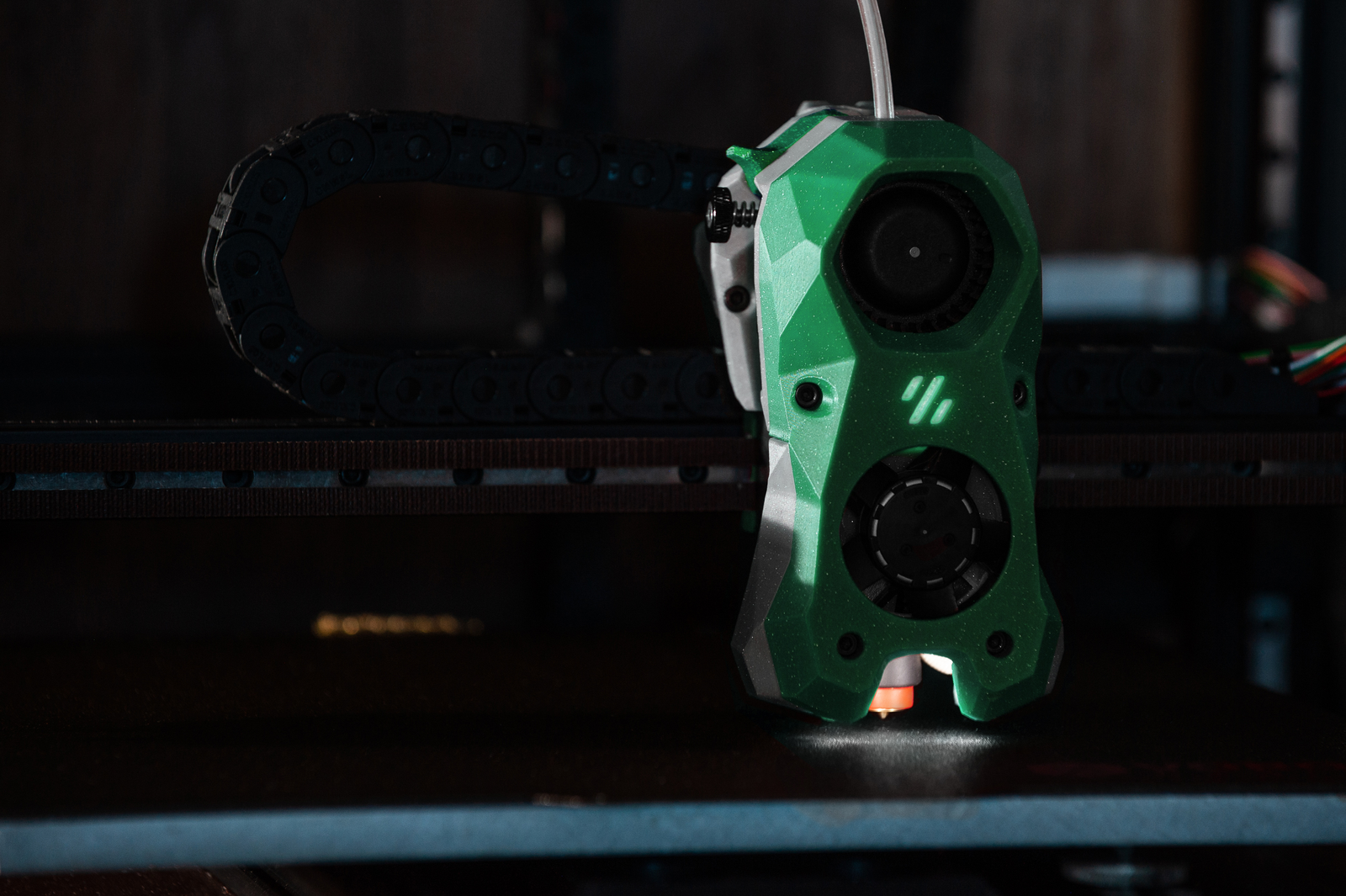
If you’re willing to build your own machine, a Voron 2.4 still delivers some of the best CoreXY performance — especially at larger sizes. But this option is not for beginners.
Why it stands out
Nothing beats the satisfaction of a custom-built CoreXY tuned to perfection. Vorons maintain speed and quality even on tall, wide prints because the frame is extremely rigid and the motion system is fully optimized.
Pros
- Excellent print quality
- High-speed CoreXY
- Fully enclosed (if you build the enclosure)
- Immense community support
Cons
- Build it yourself
- Not cheap after sourcing parts
- Requires ongoing tuning
Best for
- Enthusiasts
- Builders who love modding
- Makers who want pro-grade large-format performance
Comparison Table: Large-Format 3D Printers (2025)
Below is a simple, scannable comparison table so readers can quickly understand the differences between the top machines.
Note: Prices are approximate and vary by region/promotions. Build volumes are the official manufacturer specs.
Large-Format 3D Printer Comparison (2025)
| Printer | Build Volume | Motion System | Max Speed* | Enclosure | Price Range | Best For |
|---|---|---|---|---|---|---|
| Creality K2 Plus | 350 × 350 × 350 mm | CoreXY | Up to 600 mm/s | Yes | $$ | Best Overall |
| Anycubic Kobra 2 Max | 420 × 420 × 500 mm | Bedslinger | Up to 500 mm/s | No | $ | Budget / Beginners |
| Artillery Sidewinder X4 Plus | 360 × 360 × 400 mm | CoreXY | ~500 mm/s | No | $$ | Cosplay Helmets & Props |
| Elegoo OrangeStorm Giga | 800 mm class | Bedslinger (multi-nozzle options) | Varies | No (semi-open) | $$$ | Ultra-Large Prints |
| Snapmaker Artisan | 400 × 400 × 400 mm | Linear Rails / High-Precision System | ~300 mm/s | Yes | $$$ | Premium Multi-Tool |
| Voron 2.4 (350/450) | 350–450 mm models | CoreXY | 400–700 mm/s (tuned) | Optional (DIY) | $$–$$$ | Expert DIY Builds |
What You Can Make with a Large-Format 3D Printer (Real Use Cases)
Big printers unlock projects that simply aren’t possible on standard 220×220 machines.
Below are the most popular real-world use cases, backed by Reddit communities, cosplay makers, Etsy sellers, and hobbyists.
Full-Size Cosplay Helmets (One Piece)
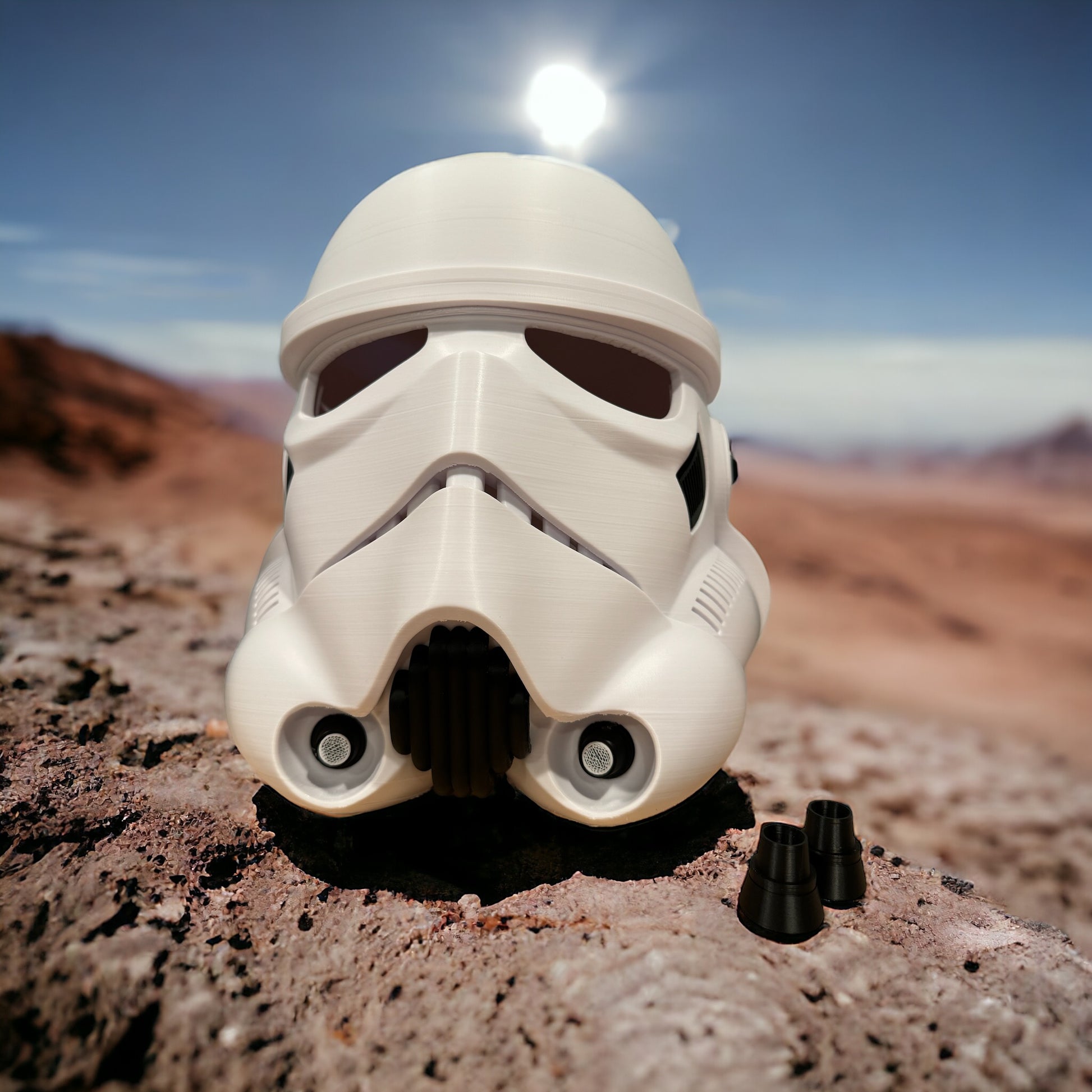
This is the #1 reason people buy large printers. With a 350–400 mm build volume, you can print helmets in one piece — no seams, no gluing, no sanding alignment lines.
Popular prints:
- Mandalorian helmets
- Iron Man / War Machine helmets
- Stormtrooper helmets
- Witch King masks
- Custom armor headpieces
Ideal build size: 360–400 mm.
Armor, Props & Large Cosplay Parts
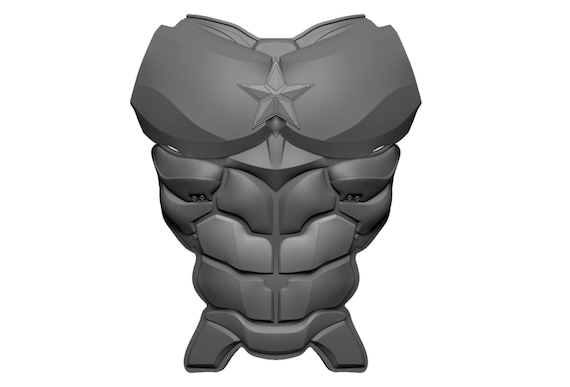
Large printers allow you to create:
- Chest plates
- Shin guards
- One-piece gauntlets
- Long swords, staffs, axes
- Shields
A 400×400 printer eliminates 70–80% of the slicing/gluing needed on smaller machines.
Large Decorative Pieces (Vases, Lamps, Sculptures)
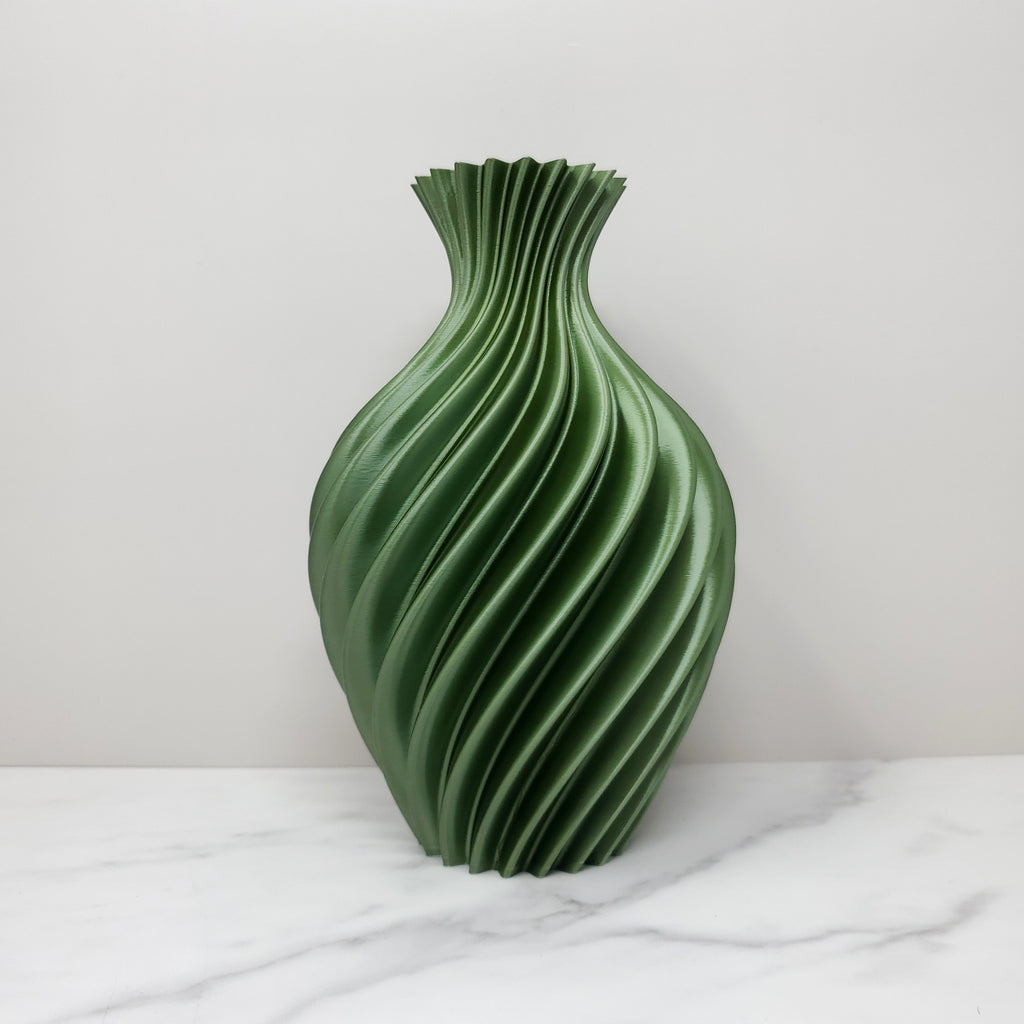
Vase mode on a big printer = gorgeous interior décor.
You can print:
- Floor-standing vases
- Designer-style lamps
- Large sculptures
- Organic “Artisan-style” pieces
PETG and PLA+ give the best finish for big models.
Furniture Parts & Home DIY Projects
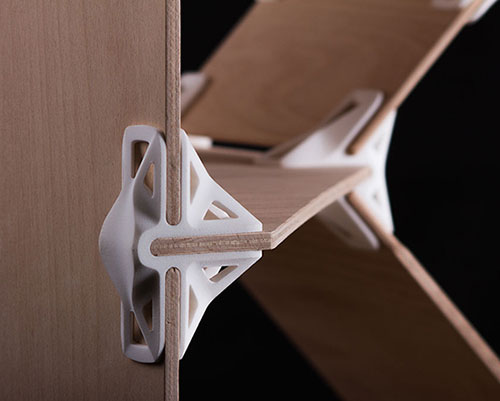
A larger build volume lets you print functional objects:
- Table connectors
- Chair joints
- Shelving brackets
- Home tool organizers
- Large gear housings
- Garden accessories
ASA/PETG excel in durability for these.
Robotics, RC Planes, Drones & Engineering Prototypes
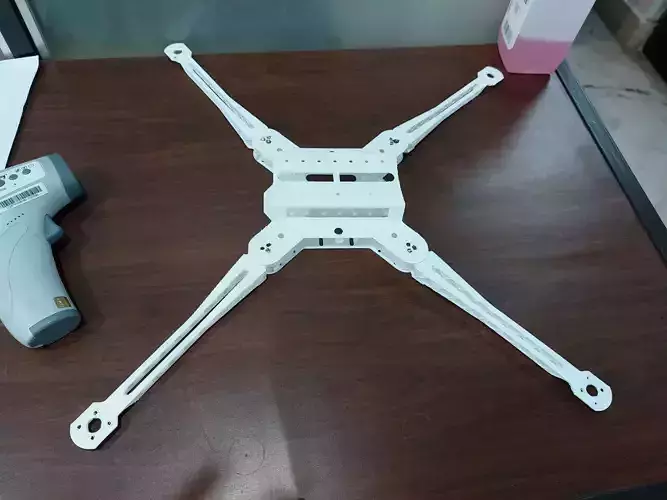
If your project has long wings, large frames, or bulky enclosures, a large-format printer saves days of part splitting.
Common prints:
- RC plane wings
- Hexacopter frames
- Robotics shells
- IoT project enclosures
Massive One-Piece Prints (800 mm Class Printers)

When you step into the 650–800 mm category, you can make:
- Full armor torsos
- Giant swords/shields in one piece
- Human-sized statues
- Furniture-scale projects
- Large architectural models
Very few printers can handle this size — but for professional prop makers or studios, it’s worth it.
Common Problems With Large Printers (And Easy Fixes)
Large-format printers can deliver incredible results — but only if you avoid the issues that almost every beginner runs into.
These are the problems most frequently mentioned on Reddit (r/3Dprinting, r/FDMprinting) and in YouTube troubleshooting guides.
Below you’ll find simple, practical fixes that work even if you’re new to 3D printing.
Warping on Big Prints (Especially PLA / ABS)
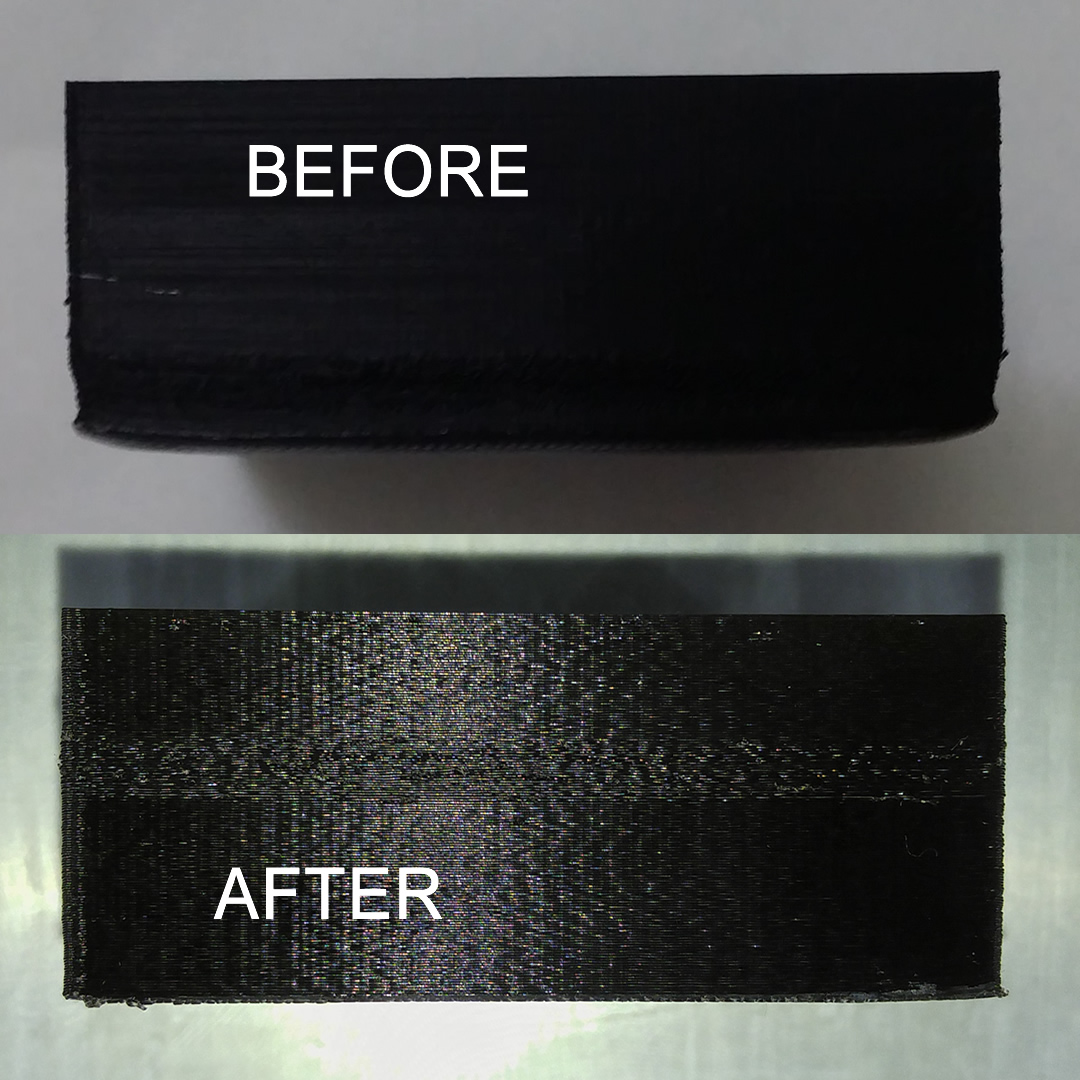
Why it happens:
Large prints touch more surface area and cool unevenly, causing corners to lift or layers to split.
Easy fixes:
- Use an enclosure (must for ABS/ASA)
- Increase bed temperature by +5–10°C
- Add a 10–20 mm brim
- Lower part cooling fan to 20–40%
- Enable draft shield / skirt wall
- Use adhesives (glue stick, PEI-friendly sprays)
Best materials: PLA+, PETG, ASA (all more stable at scale).
First Layer Inconsistency (The #1 Failure Source)

Big beds require perfect leveling.
If your first layer is off, the print will fail hours later.
Fixes that work:
- Run auto-leveling before every big print
- Re-check Z offset with a real first-layer test
- Clean the bed with hot water + dish soap (PEI-friendly)
- Use a textured PEI plate — more forgiving on large areas
If you’re using a 400+ mm bed, never rely on manual leveling.
Layer Shifts on Tall Prints
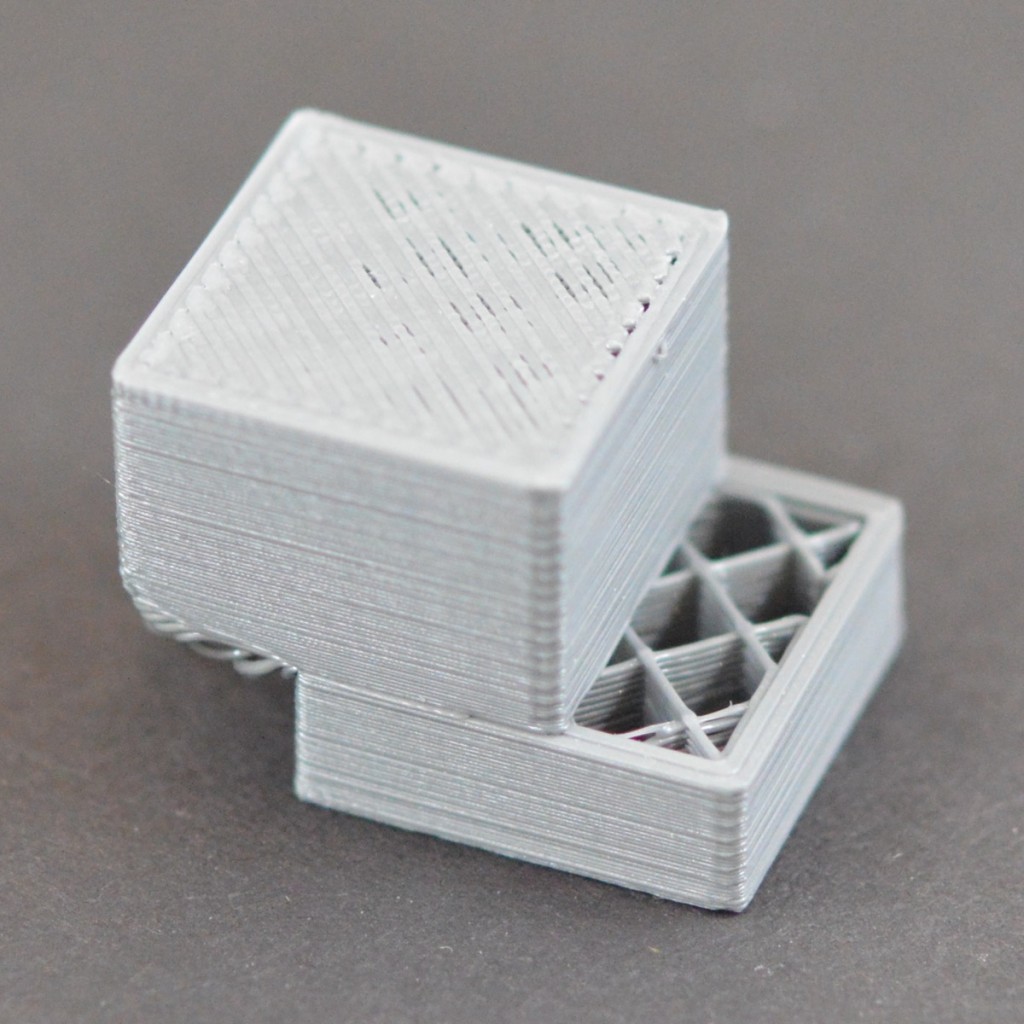
Tall prints amplify every vibration.
How to fix it:
- Tighten belts (especially CoreXY belts)
- Lower speed: 200–250 mm/s for tall models is safer
- Check frame screws after moving the printer
- Make sure the printer sits on a stable table
- Reduce acceleration for objects taller than 300 mm
If your machine is a bedslinger, layer shifts are much more common.
Weak Layer Adhesion (Cracking Mid-Print)

This issue shows up often with ABS, ASA, and even large PLA+ parts.
Fixes:
- Use an enclosure to keep the chamber warm
- Increase nozzle temp by +5–15°C
- Increase wall thickness to 4–5 perimeters
- Slow down internal walls for more bonding
- Disable fan (ABS/ASA) or lower to 20% (PLA+)
Large prints should cool slowly, not rapidly.
Nozzle Clogs During Long Prints (12–48 hours)
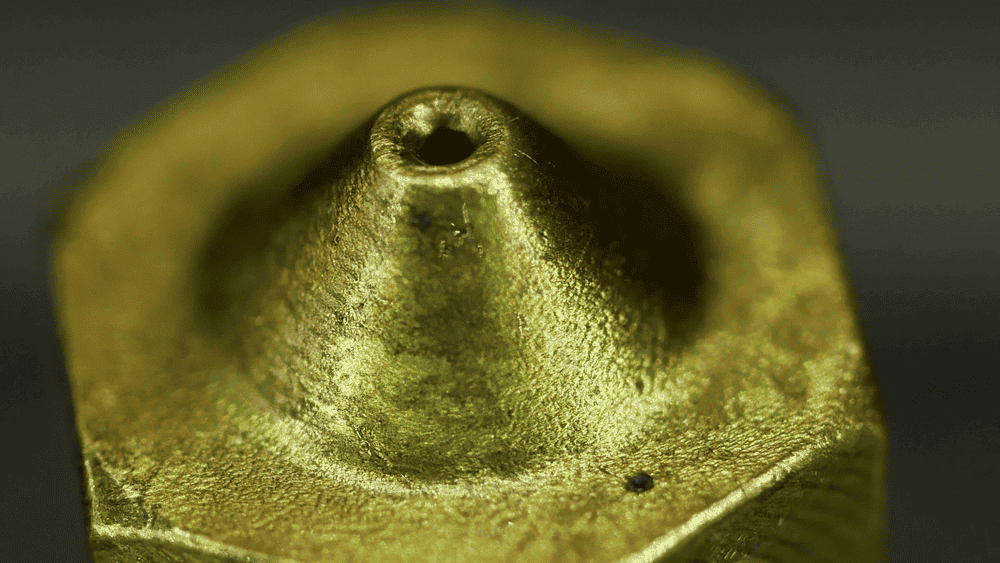
Long prints stress the hotend more than small ones.
Fixes:
- Use fresh filament (moisture = clogs)
- Run a cold pull before big prints
- Use a 0.6 mm nozzle — far more reliable for large models
- Avoid ultra-cheap filament for multi-day prints
A 0.6 mm nozzle is the easiest win for big projects.
Filament Tangles or Runouts Mid-Print
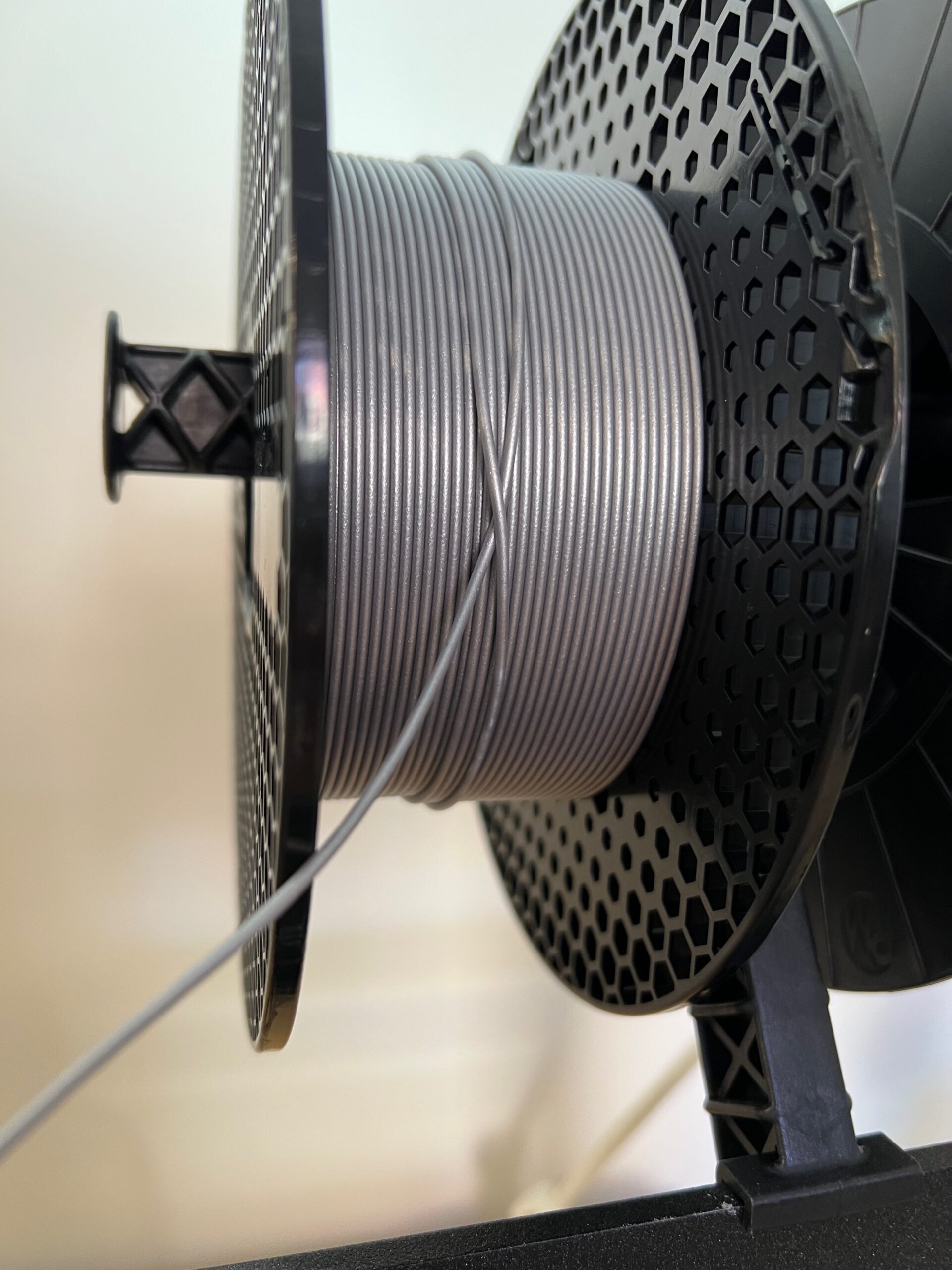
Large prints eat a LOT of filament. A 400-mm helmet can use almost a full 1-kg spool.
Fixes:
- Always check filament rewinding behavior before printing
- Use filament runout sensors
- Prefer 2–3 kg spools for huge prints
- Keep spools dry (silica + dry box)
Vibrations Causing Ghosting on Big Surfaces

Especially visible on large, flat armor plates and helmets.
Fixes:
- Enable input shaping
- Reduce acceleration
- Tighten belts
- Make sure the printer is on a heavy, stable surface
CoreXY machines handle this far better than bedslingers.
Overheating Stepper Motors or Hotend on Multi-Day Prints

Long jobs can push components harder than usual.
Fixes:
- Add a small external fan near stepper area
- Avoid placing printer next to a wall
- Use a lower bed temperature once adhesion is solid
- Keep enclosure vents partially open for PLA/PETG
Which Problems Matter Most (Beginner Priority)
If you’re new to large-format printing, prioritize:
- Perfect first layer
- Stable frame + leveled bed
- Dry filament
- 0.6 mm nozzle
- Enclosure for ABS/ASA
Get these right, and 80% of large-print failures disappear.
Final Recommendations — Which Printer Should You Buy?
If you’re still unsure which machine fits your needs, here’s the quick, no-nonsense way to decide based on what you actually plan to print.
If You Want the Safest, Most Reliable Choice
👉 Get the Creality K2 Plus
- Enclosed
- CoreXY
- Great for cosplay, props, décor
- Fast + stable
- Minimal tuning needed
This is the “buy it once and don’t regret it” pick.
If You Want the Biggest Size for the Lowest Price
👉 Get the Anycubic Kobra 2 Max
- Massive 420×420×500 mm space
- Very good for PLA/PETG
- Beginner-friendly
- Best budget value
Just don’t expect CoreXY precision at this price.
If You’re a Cosplay Maker (Helmets, Armor, Props)
👉 Get the Artillery Sidewinder X4 Plus
- Clean surfaces on curved props
- Great for helmets
- Solid balance of speed + quality
If your main goal is beautiful props → this one.
If You Want to Print Giant One-Piece Objects (700–800 mm)
👉 Get the Elegoo OrangeStorm Giga
- One of the few hobby printers at this size
- Best for huge shields, swords, armor torsos
- Studio-level capability
Not beginner-friendly, but unbeatable for size.
If You Want a Premium, Polished Studio Machine
👉 Get the Snapmaker Artisan
- Fully enclosed
- Excellent motion system
- Optional CNC + laser
- Perfect for creators and small studios
A refined “workstation,” not just a printer.
If You Want the Best DIY Performance (Expert Level)
👉 Build a Voron 2.4 (350 or 450 mm)
- Top-tier CoreXY
- Requires building + tuning
- Great for speed enthusiasts
If you enjoy modding → nothing beats it.
FAQ: Large-Format 3D Printers (2025 Guide)
What counts as a “large-format” 3D printer?
Most people consider any printer with a build volume over 300×300×300 mm to be large-format.
For cosplay and big props, 350–400 mm is the true sweet spot.
Do I need a large printer to make full-size helmets?
Yes — if you want it in one piece.
A 360–400 mm build volume is ideal for most adult helmets without slicing.
Are large-format printers harder to use?
They can be, because large prints magnify small issues. But modern CoreXY printers with auto-calibration (like the K2 Plus) make big prints far easier than older Ender-style machines.
Can beginners buy a large-format printer?
Absolutely. If you choose a machine with:
- auto-leveling
- enclosure
- input shaping
- and good community support …you’ll be fine. Avoid very cheap oversized bedslingers.
Do I need an enclosure for large prints?
For PLA, it’s helpful but not required.
For ABS, ASA, or large PETG prints, an enclosure is strongly recommended to stop warping and cracking.
Are Bambu Lab printers considered large-format?
Not at the moment.
Most Bambu machines cap out around 256–300 mm, which is “mid-size.” Many users on Reddit say they wish Bambu would release a 400-mm model.
Is a 500-mm printer better than a 400-mm one?
Not necessarily.
Most 500-mm printers are open-frame bedslingers, which are less stable.
A stable 400-mm CoreXY printer will outperform a 500-mm bedslinger in real use.
How long does a large print usually take?
Typical large jobs take:
- 8–16 hours for helmets
- 20–30 hours for armor parts
- 30–60 hours for giant props Speedy CoreXY printers significantly reduce this.
What nozzle size should I use for large prints?
A 0.6 mm nozzle is the sweet spot.
It cuts print time dramatically and improves reliability on big prints.
How much filament does a large helmet use?
Most helmets use 700–1000 g of PLA/PETG.
Some larger helmets can exceed 1 kg, so plan on using a full spool or a 2-kg spool.
Are large-format printers worth it in 2025?
If your projects include helmets, props, furniture parts, or large décor — yes.
Modern large-format printers are faster, more stable, and easier to use than ever before.