Category: 3D Printing Beginner Guides

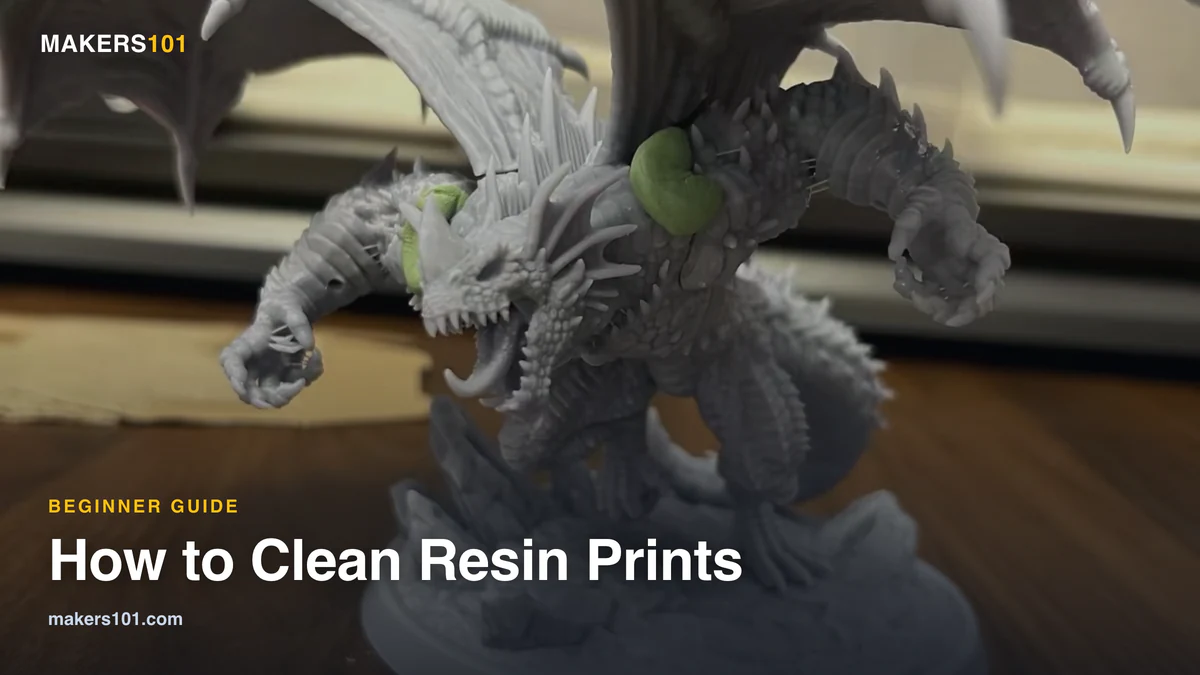
How to Clean Resin Prints (Without Ruining Them or Wasting IPA)
Key Takeaways How to clean resin prints: wash standard prints in 90%+ IPA using two baths: a dirty one first, a clean one second, roughly a minute or two in each. Dry them completely before UV curing. Curing a…

How Does a Resin Printer Work? (And What’s Actually Hard About It)
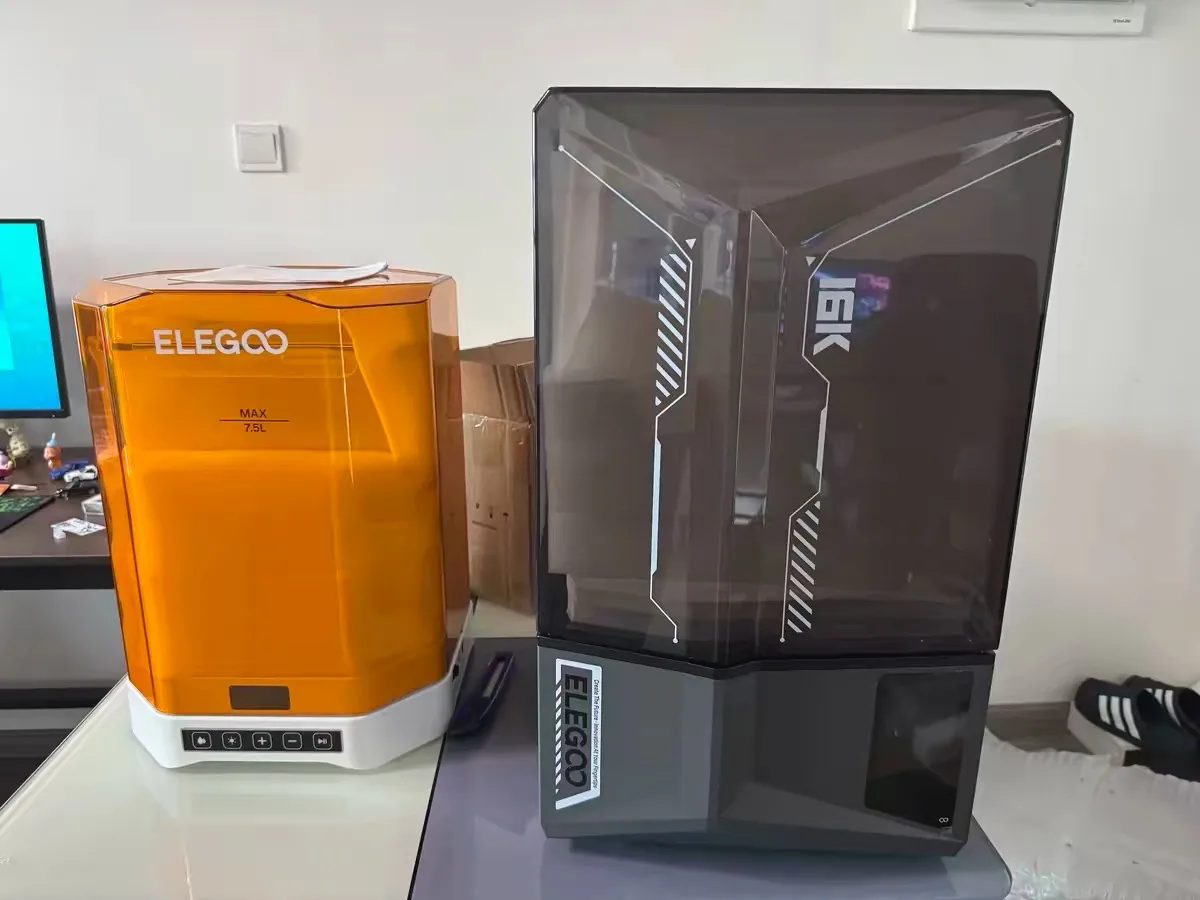
Key Takeaways UV light hardens liquid photopolymer one layer at a time, and the object hangs upside down from a metal plate. The only moving axis is Z. The machine goes up and down, and nothing else. Height sets…
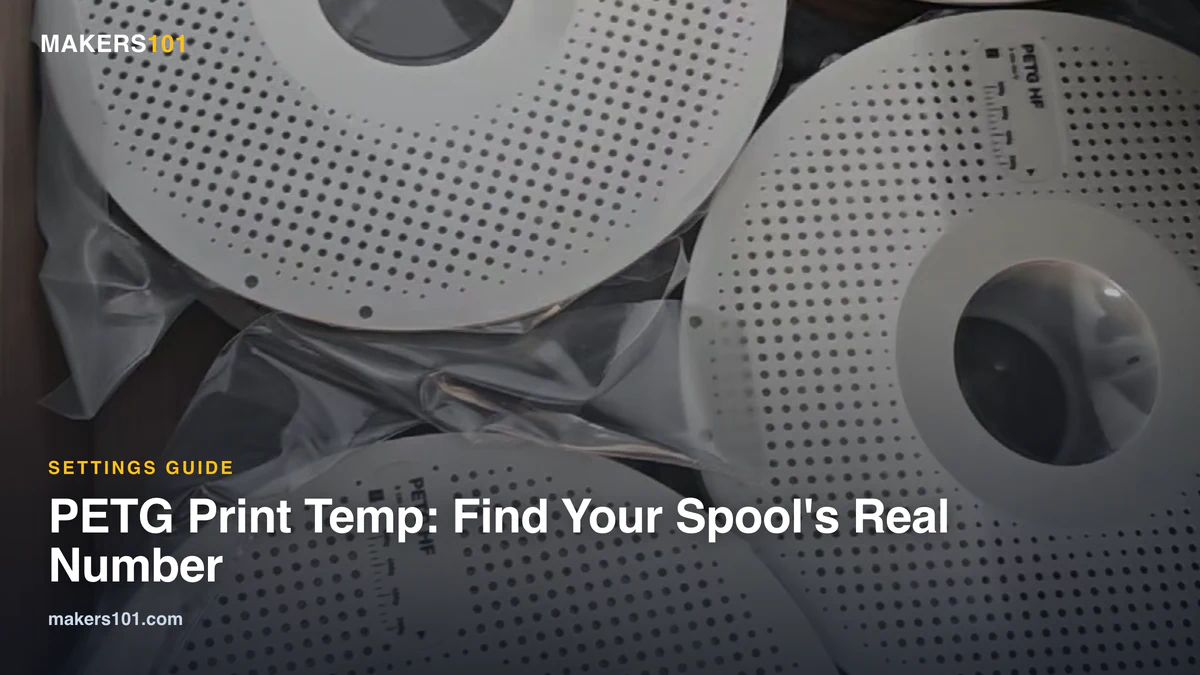
PETG Print Temp: Why Every Guide Gives You a Different Number (And How to Find Yours)
Key Takeaways Start at 240°C nozzle and 80°C bed if you have nothing else to go on. Then tune from there. There is no single correct number. The ranges printed on real PETG spools span 60°C. Your best looking…
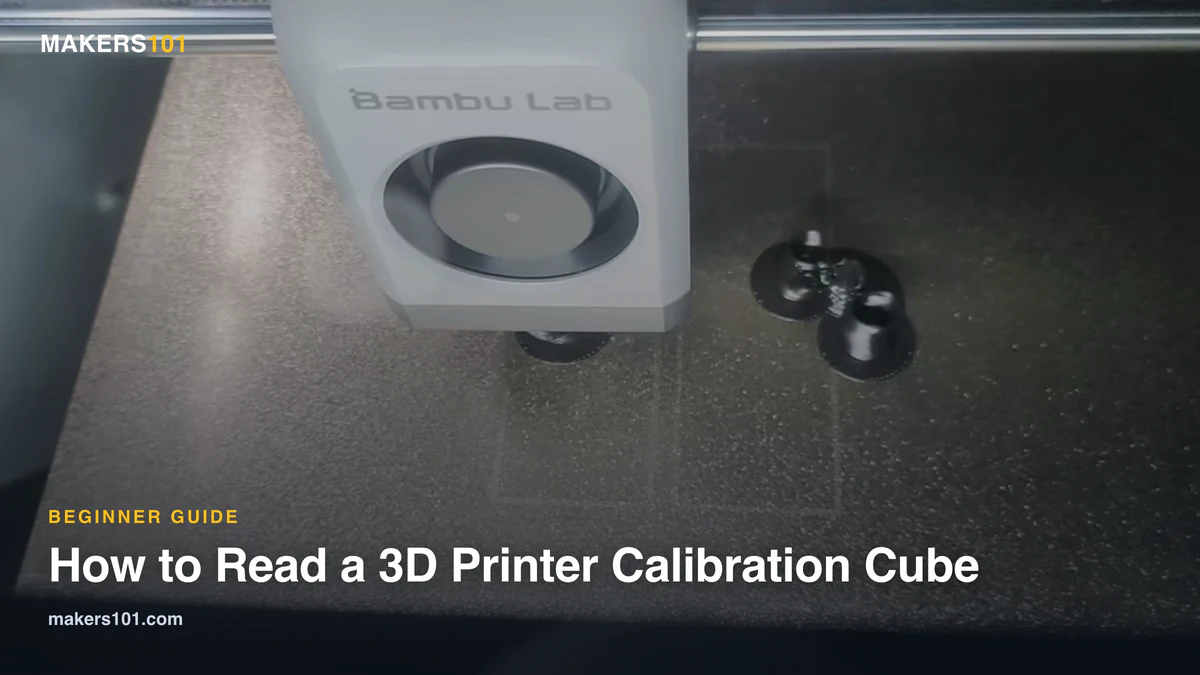
3D Printer Calibration Cube: How to Print It, Read It, and Fix Your Prints
You printed the little cube everyone told you to print. Now it’s sitting on your desk, and you have no idea what it’s telling you. That’s the part most guides skip. They hand you a 3D printer calibration cube…
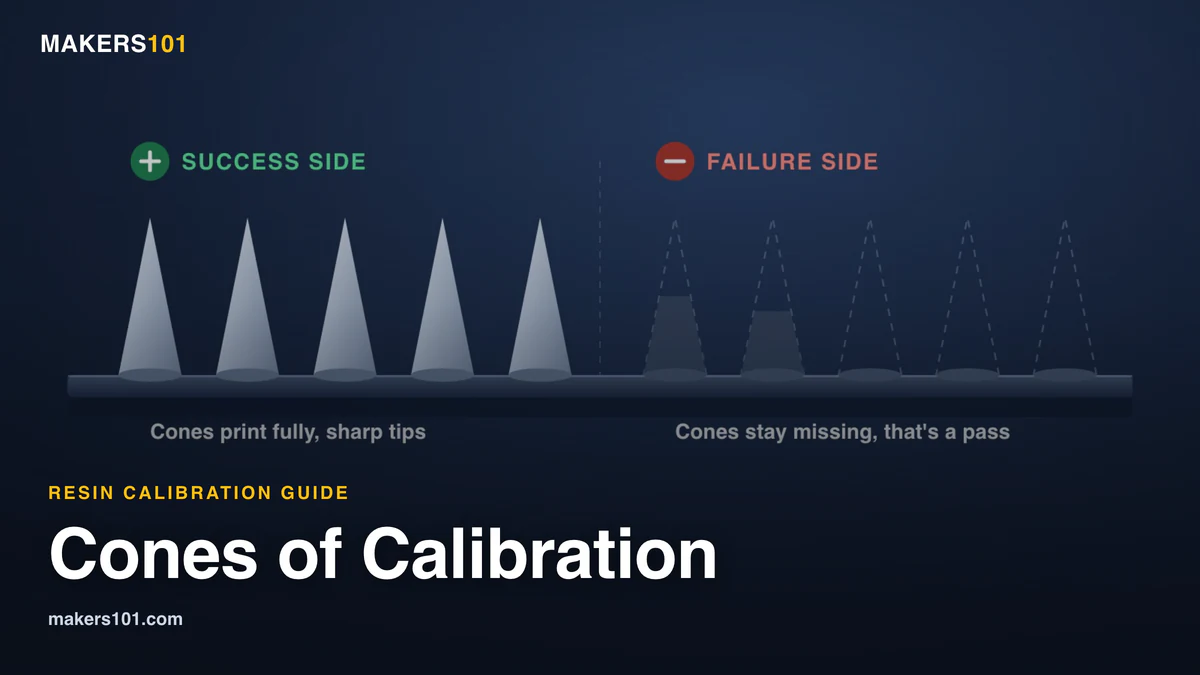
Cones of Calibration: How to Read, Run, and Actually Trust the Resin Test (2026)
You printed the Cones of Calibration. Now you’re staring at a tray of tiny cones, and you still can’t tell if you passed. That’s the part almost nobody explains. The official download tells you how to print the test.…
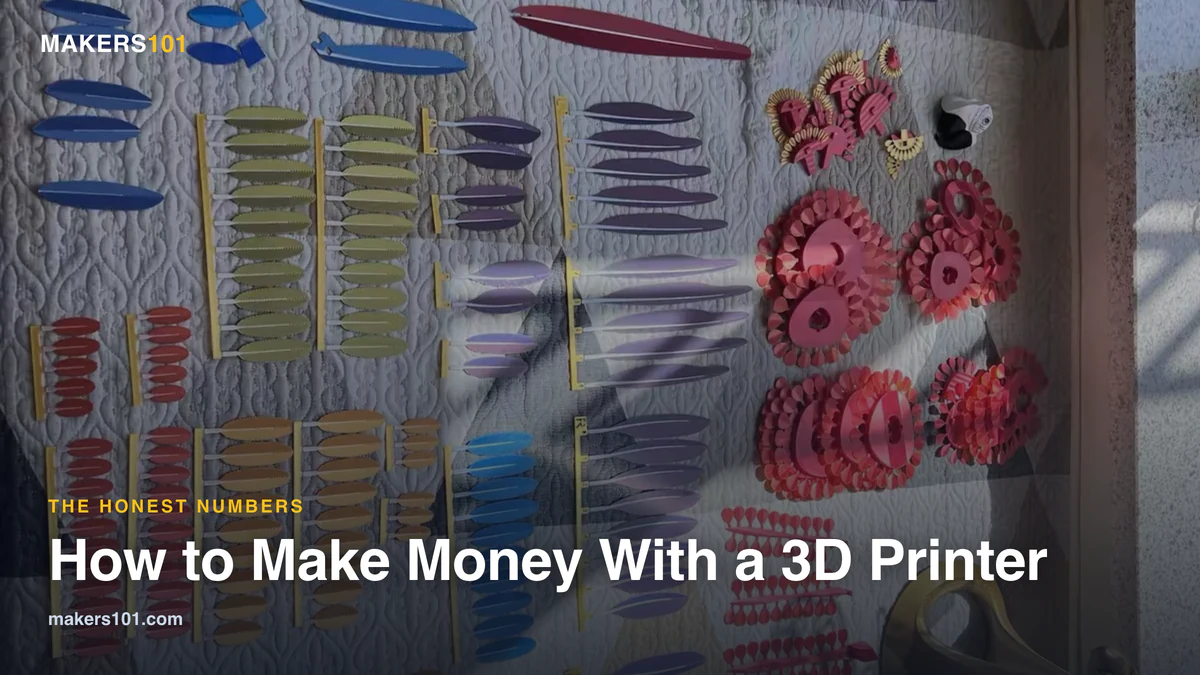
How to Make Money With a 3D Printer: The Honest Numbers (2026)
Your printer sits idle most of the week. You’ve watched the videos where someone turns a spare bedroom into a business, and you’ve wondered whether the machine on your desk could do the same. Search “how to make money…
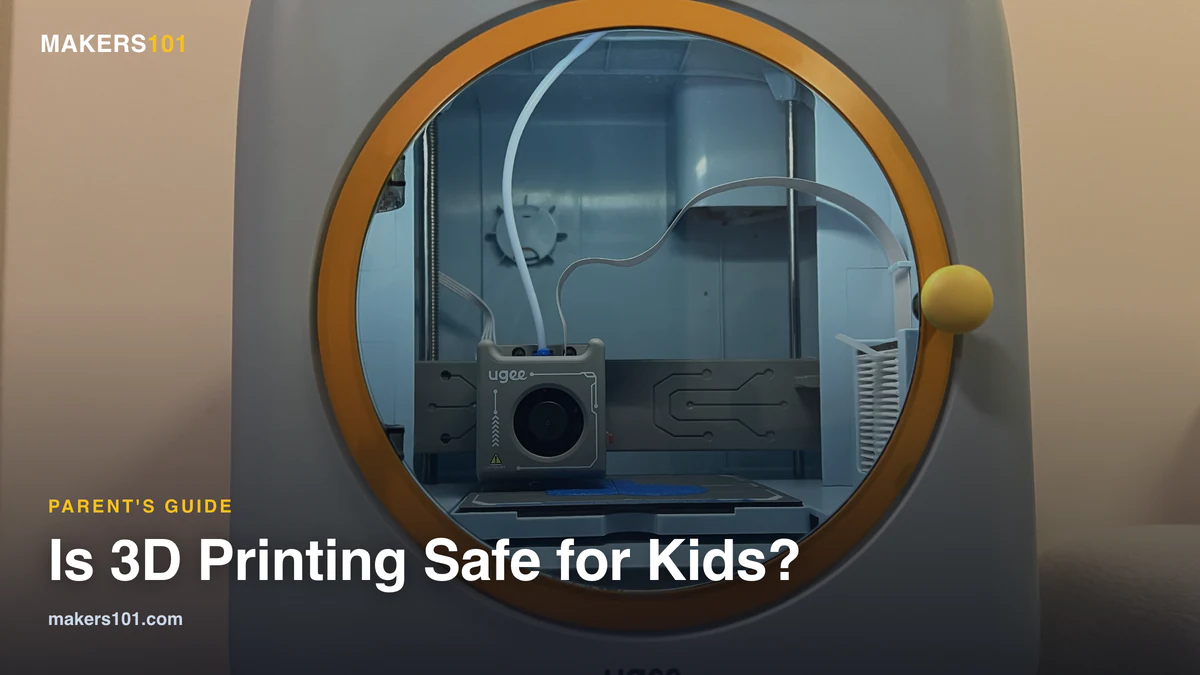
Is 3D Printing Safe for Kids? A Parent’s Honest Guide (2026)
Key Takeaways FDM printing with PLA is low-risk for supervised kids. Resin is not. “No smell” doesn’t mean “no emissions.” PLA still releases fine particles. Ventilation matters more than any single feature. A filter helps, but it doesn’t replace…
3D Printer Nozzles Explained: Sizes, Materials, and When to Swap Them
Key Takeaways 0.4mm = balanced default; 0.6mm = big-print speed; 0.2mm = fine detail (roughly 3× slower). Brass or steel for PLA and PETG; hardened steel, ruby, or diamond for carbon fiber and abrasives. Most clogs are fixable with…
Best Glue Sticks for 3D Printing (2026): The Ones Worth Buying, by Material and Surface
Key Takeaways Best overall: Elmer’s Disappearing Purple glue stick. It goes on purple, dries clear, and washes off with water. Cheapest way to stock up: Amazon Basics purple washable sticks. Same PVA, buy them by the box. Printing ABS,…
Nozzle Temp for PLA: The Right Settings for Clean, Strong Prints
Key Takeaways Standard PLA prints best at 190-220°C, and 200-210°C is the safe starting point for most machines. Hotter isn’t stronger. Past the sweet spot you get stringing and blobs, not better layer bonding. Your printer’s temperature readout can…