Category: 3D Printing Beginner Guides

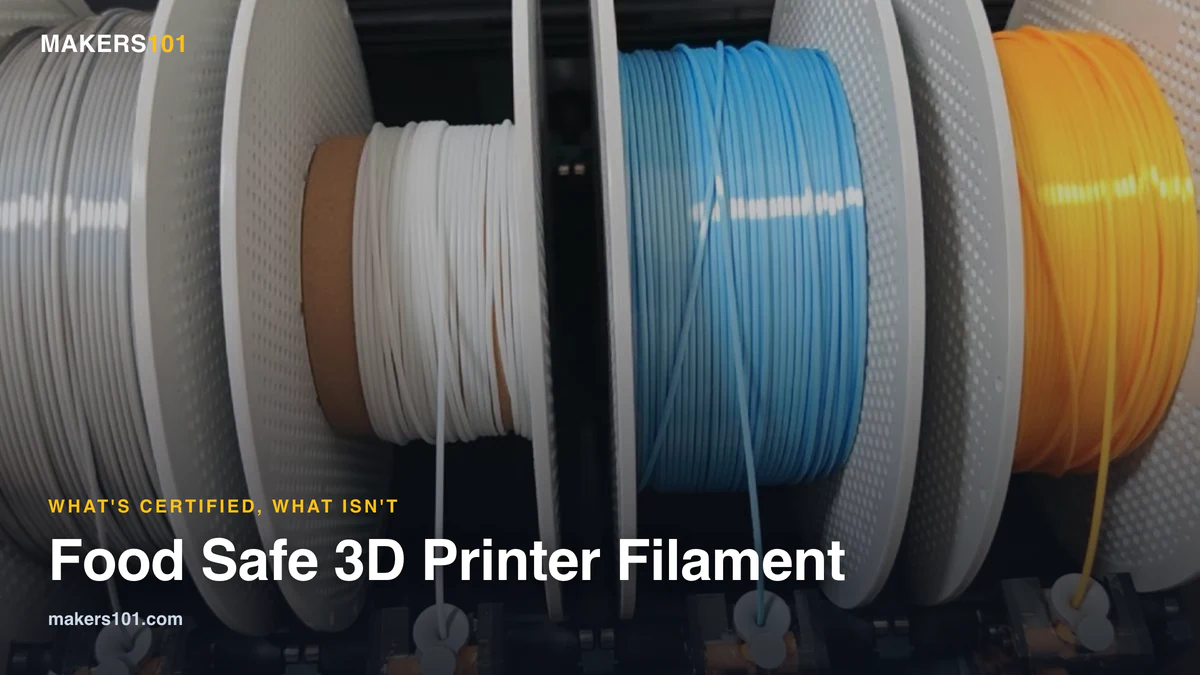
Food Safe 3D Printer Filament: What’s Actually Certified, and What Still Isn’t
Certification details verified directly against manufacturer and standards-body pages in August 2026. Key Takeaways Food safe 3D printer filament exists, and buying it doesn’t make your print food safe. The certificate covers the plastic on the reel. Everything between…
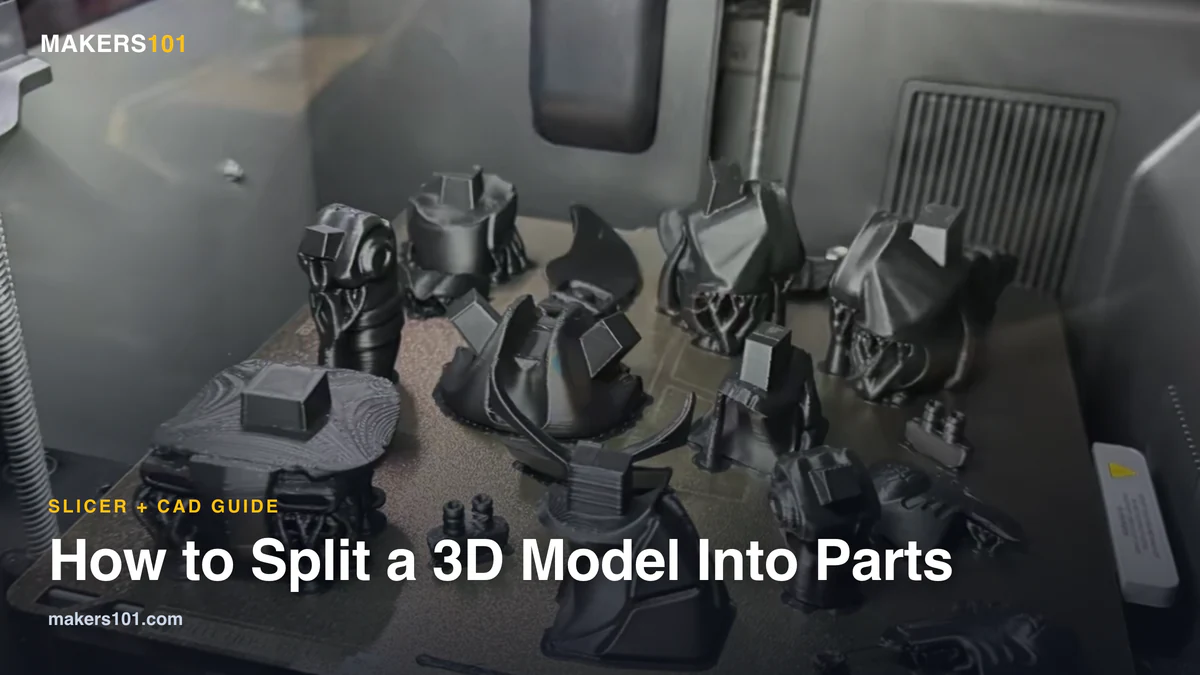
How to Split 3D Model Into Parts for Printing (Without Ruining the Fit)
Key Takeaways To learn how to split 3D model into parts, start with a slicer Cut tool when a straight plane will work. PrusaSlicer, Bambu Studio, and OrcaSlicer provide fast visual cuts. Choose CAD or a mesh editor when…
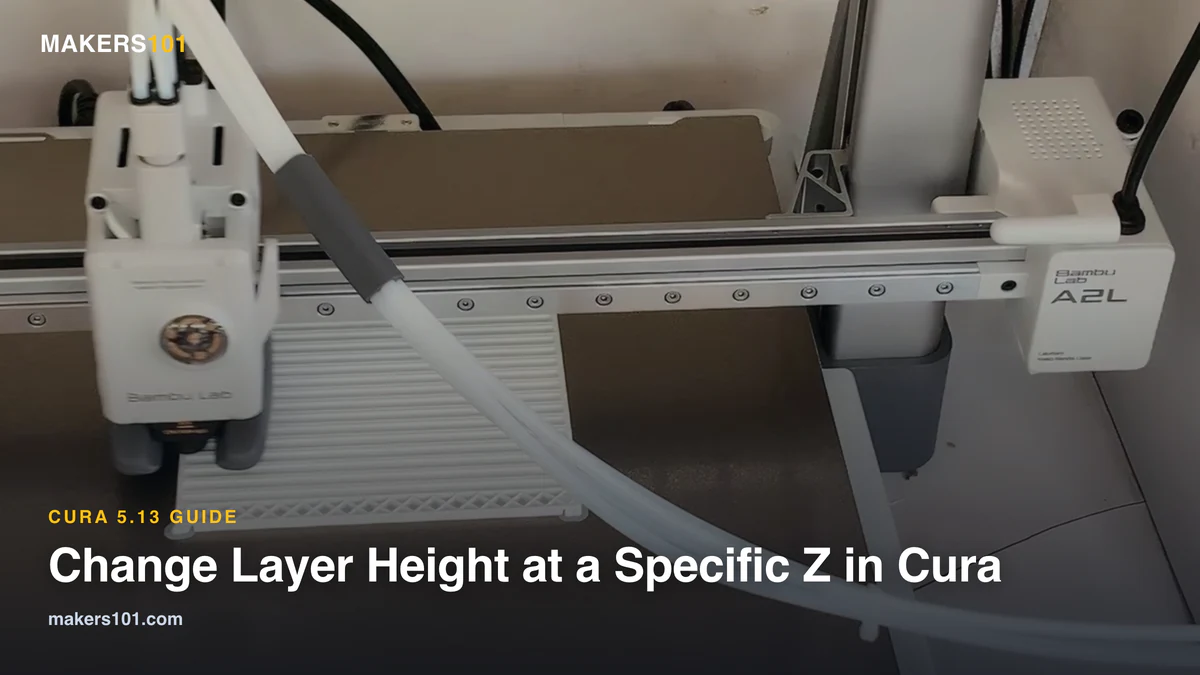
How to Change Layer Height at a Specific Z in Cura (And What to Do Instead)
Key Takeaways Short answer: you can’t change layer height at Z in Cura. Version 5.13 ships no setting, plugin, or post-processing script that switches layer height partway up a print. Layer height is a single global value for the…
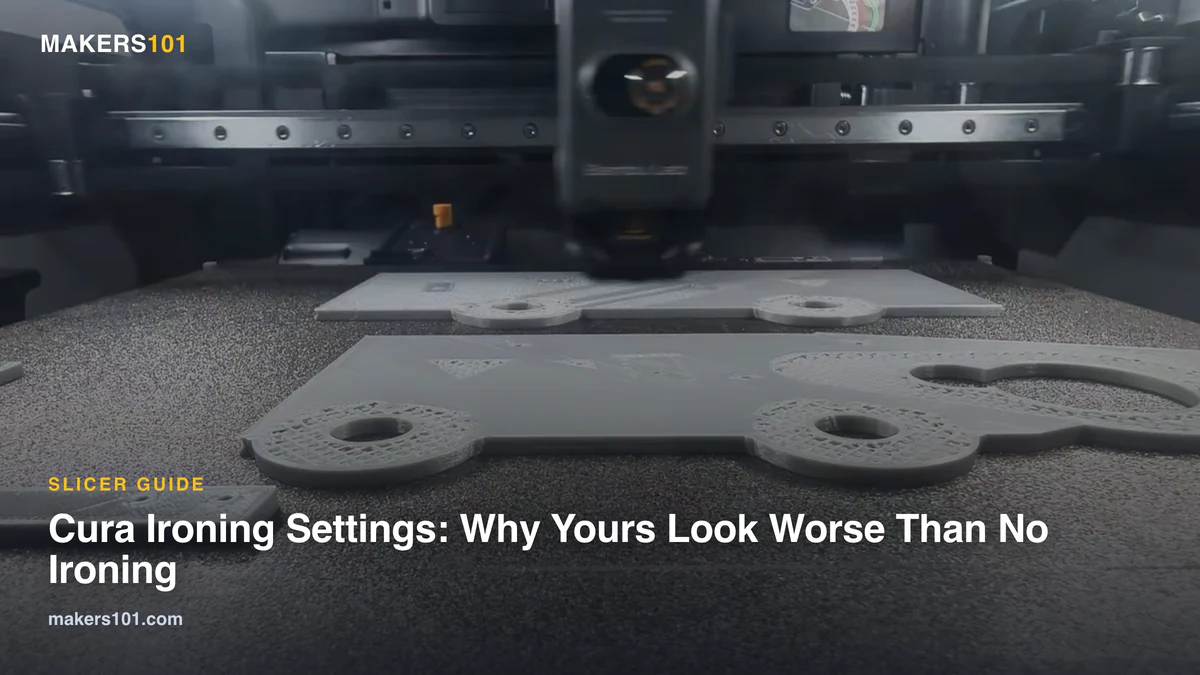
Cura Ironing Settings: Why Yours Look Worse Than No Ironing at All
Key Takeaways The Cura ironing settings ship turned off, and the factory numbers behind them are cautious: Ironing Flow 10%, Ironing Line Spacing 0.1 mm, Zig Zag pattern, Monotonic Ironing Order off. On most printers that combination under-extrudes and…

Ender 3 Acceleration Settings in OrcaSlicer: What Actually Applies (And What Gets Ignored)
Orca clamps your Ender 3 acceleration to a ceiling you never see. Here are the factory numbers Orca ships for every Ender 3, where the real limit lives, and what to change first.
3D Printer Settings: A Beginner’s Guide to Better Prints
If you’re staring at a slicer screen packed with temperatures and percentages, you’re in good company. The first settings page can feel harder than the printer itself. Some slicers explain each box right there in the panel. That is…
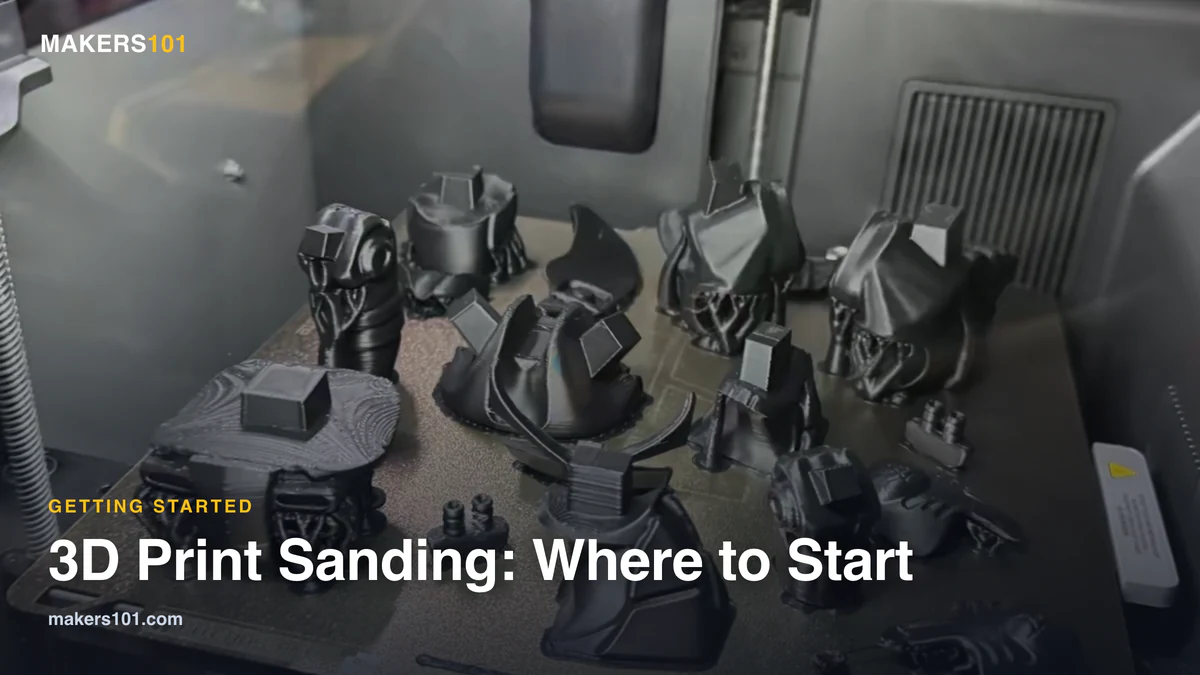
3D Print Sanding: How to Kill Layer Lines Without Melting Your Print
Key Takeaways Open 3D print sanding at 180 to 220 grit. Go coarser only for badly pronounced layer lines or before spray putty, which needs the scratches to grip. Coarse grits and power tools together round off edges, so…
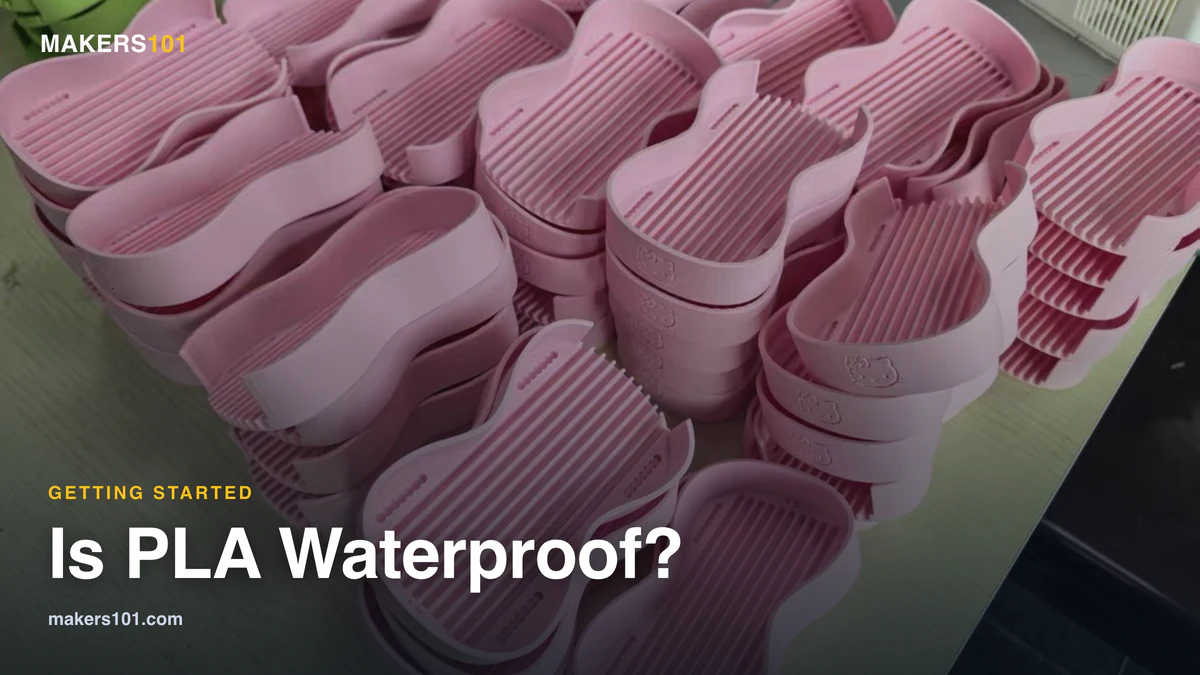
Is PLA Waterproof? What Actually Happens When Your Print Gets Wet
Key Takeaways Asking “is PLA waterproof” mixes two separate things. The plastic handles water fine. The printed part is what leaks. PLA doesn’t dissolve in water. It needs temperatures above 60°C before it starts breaking down at all. Shallow…
How to Smooth PLA with XTC-3D: A Safe Beginner Workflow
If you have a PLA print covered in layer lines, XTC-3D looks tempting. Brush it on, wait a few hours, and the part should look smooth. That’s the promise. The reality is still useful, but less magical. If you’re…

Are PLA Fumes Dangerous? The Honest Answer Depends on Your Room
Key Takeaways PLA is one of the lowest-emission filaments you can print. It isn’t a zero-emission one. What decides your real risk isn’t the filament. It’s room size. It’s airflow. It’s how many hours a week you run the…