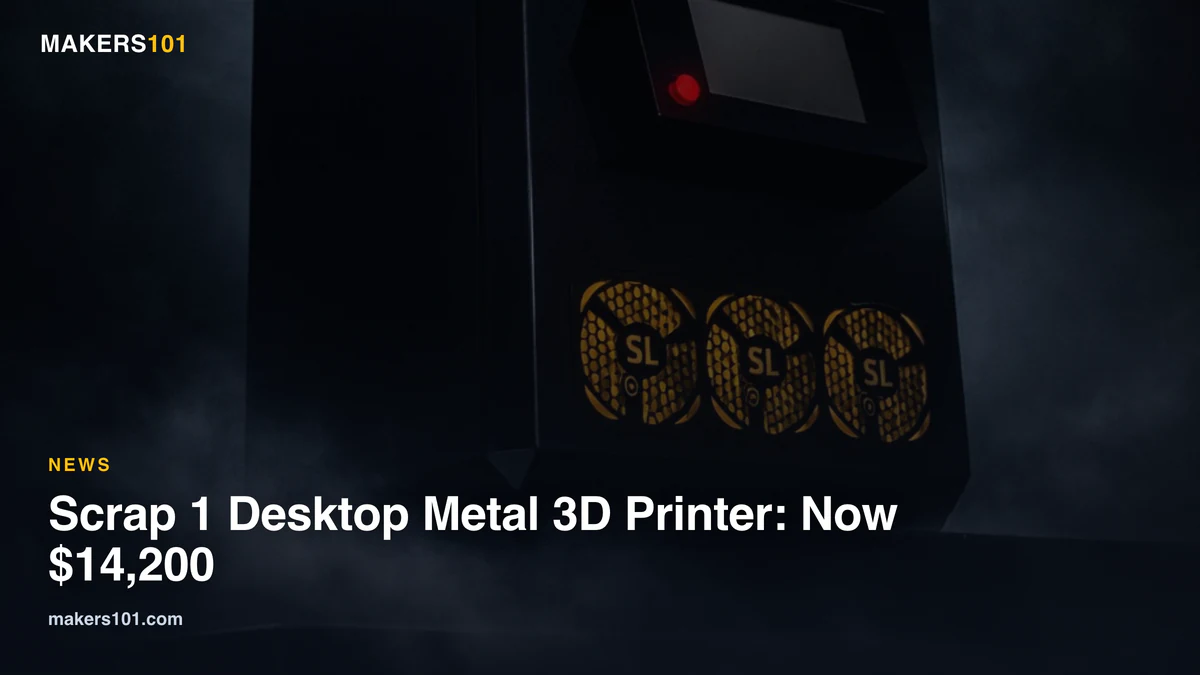

Scrap Labs’ Scrap 1 metal 3D printer, a laser powder bed fusion (LPBF, also called SLM) machine small enough for a workbench, now starts at $14,200 as a DIY kit and $17,990 fully assembled. The sub-$10,000 price that ran in spring headlines was an early-bird offer, and it ended on April 30.
Nothing ships yet. The Scrap 1 FAQ targets first customer shipments in early 2027, starting in the US, while the company roadmap puts the production launch in June 2027.
Table of Contents
What the Scrap 1 Metal 3D Printer Actually Is
Scrap 1 melts metal powder directly with a laser, the same process industrial LPBF machines use. There’s no binder, no debinding step and no kiln. Parts are cut free from the plate with a saw through a couple of millimeters of sacrificial support, and the plate is sanded down so it can be resurfaced dozens of times.
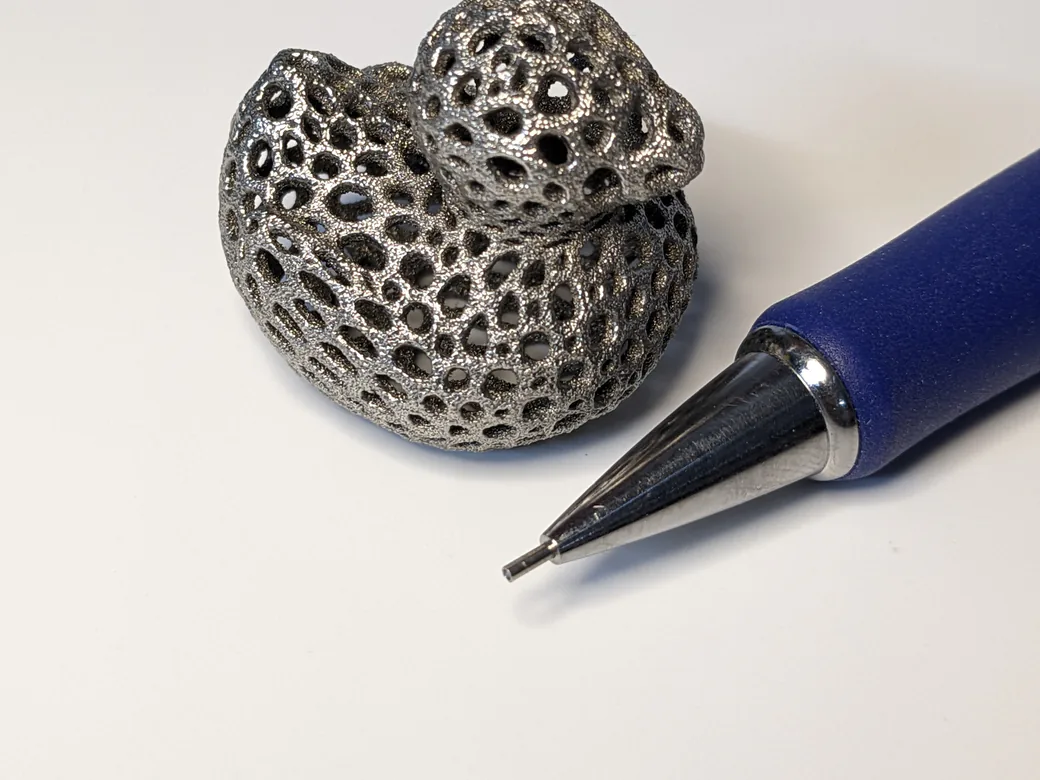
Key facts and published targets, all subject to change, according to the Scrap 1 product page and company FAQ:
| Scrap 1 (as of Oct. 22, 2026) | Listed price or target |
|---|---|
| Kit price | $14,200 |
| Fully assembled price | $17,990 |
| First customer shipments | Early 2027, US first |
| Production launch | June 2027 (roadmap) |
| Build volume | 100 x 100 x 100 mm (about 4 in per side) |
| Laser | 200W at 915 nm, ~135 µm spot |
| Layer range | 20-100 µm |
| Max scan speed | 1,500 mm/s |
| Density target | Above 99% |
| Machine size and weight | 43 x 50 x 57 cm, 30 kg |
| Firmware and slicers | Klipper; ScrapSlicer, PrusaSlicer, OrcaSlicer |
The odd part is how it’s built. Founder Matt Woods, who interned on SpaceX’s additive team and founded Xact Metal, told 3Dnatives in an Oct. 8 interview that FDM printing is “the core production method for essentially all of the machine’s mechanical parts.”
He called this “inverted materials stack” one of the biggest challenges: getting the parts to print, seal and handle the heat “took a major effort,” and so did finding optics that wouldn’t burn up.
What Scrap 1 Won’t Print, and What It Needs to Run
The materials list is narrower than “metal” suggests. Scrap Labs starts with 316L stainless and maraging M300 steel, with Inconel and brass queued next. Aluminum, titanium and magnesium aren’t currently planned, for safety reasons, though the FAQ leaves room for a future upgrade kit or separate model. Cobalt chrome is listed as restricted to approved professional users.
It’s also not an appliance. The machine needs argon or nitrogen process gas at 5 SCFH, and Scrap Labs calls for a “serious workshop or lab environment.” Its roadmap lists required PPE for all materials: a HEPA or P100 respirator, rubber gloves, ESD protection, lab coats, fire safety equipment and powder handling gear. None of it is listed as included with the machine.
Scrap 1 Price: $14,200 Kit, $17,990 Assembled, Plus Reservation Tiers
Scrap Labs’ March 24 announcement set the terms: kits started at $9,600 until April 30, then rose to today’s kit price. The assembled price didn’t change. By my math, the kit went up $4,600, about 48%.
When we checked the product page on Oct. 22, it listed no early-bird option. A reader who saw a “sub-$10K” headline is looking at an expired price.
Reserving a place costs one of three deposits:
- Priority, $100: refundable until your slot is confirmed
- Top Priority, $1,000: non-refundable, moves you ahead in line
- Founder, $5,000: non-refundable, highest priority plus merch and sample parts
Deposits count toward the final price. The fine print says a reservation “is not a purchase contract,” and final pricing can vary by configuration.
Xact Metal’s XM200, Woods’s earlier machine, was introduced at around $100,000 in 2017, so even the assembled price is a fraction of that for a lab. That comparison is his, though, and it pits a shipped industrial machine against a pre-production spec sheet.
What Scrap 1 Means for FDM Makers
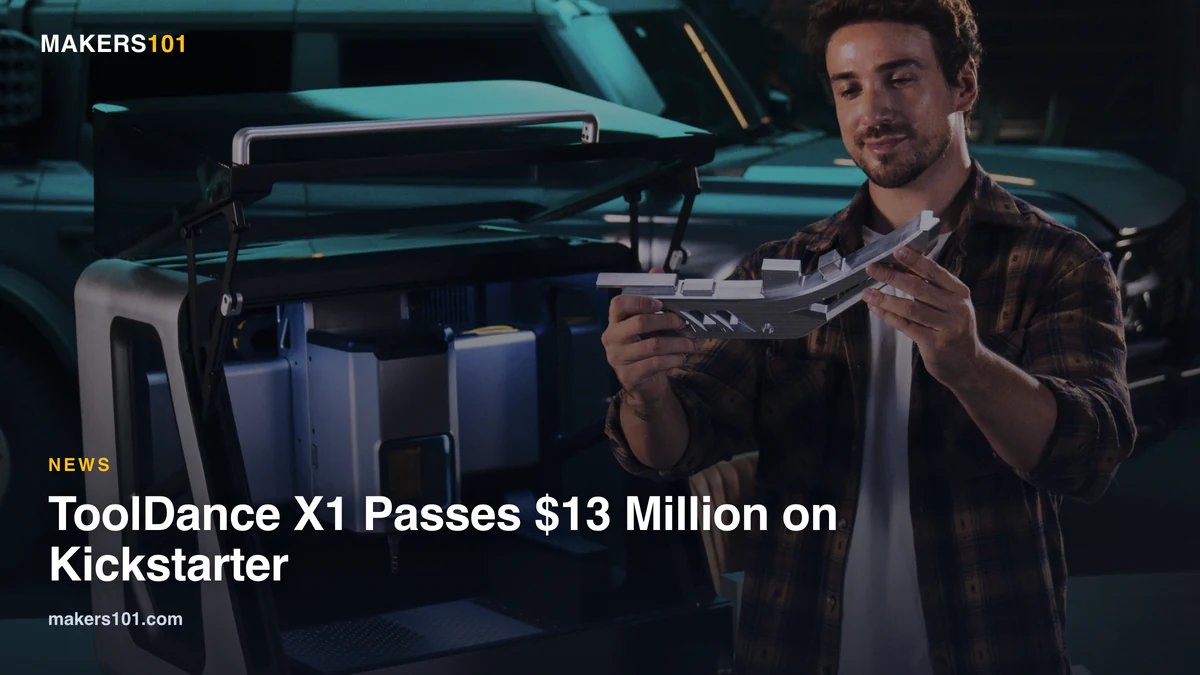
If you want metal parts for your projects: Scrap 1 isn’t planned to print aluminum. The ToolDance X1 desktop CNC, marketed for aluminum and hard metals, had a $2,999 Super Early Bird pledge as of Oct. 19, about a fifth of the Scrap 1 kit by my math. It’s a crowdfunding pledge with no confirmed ship date, and it cuts parts rather than printing them.
If you already run Klipper: the software side will feel familiar. Scrap 1 uses the same open-source firmware covered in our Klipper vs Marlin comparison, and lists workflow compatibility with OrcaSlicer and PrusaSlicer.
If you’re an engineer or a lab printing small steel parts: you’re in the target group, though Woods says the machine is “above all” for the individual innovator. My read: the $100 tier is the only low-risk way to hold a place before independent test data exists. The refund window closes once your slot is confirmed, the pricier tiers move ahead of it, and test units go to early depositors who look like a strong fit.
If you’re shopping for your first printer this season: an FDM machine is a far better start, and our Black Friday 3D printer deals guide covers the machines worth watching.
Scrap 1 Metal 3D Printer FAQ
How much does the Scrap 1 cost?
The kit starts at $14,200 and the fully assembled version at $17,990. The lower early-bird kit price ended April 30, 2026.
When does the Scrap 1 ship?
First customer shipments are targeted for early 2027, starting in the US. The roadmap puts the full production launch in June 2027, with Canada and other regions following in phases.
Can the Scrap 1 print aluminum or titanium?
Not as currently planned. Scrap Labs isn’t planning to support reactive alloys like aluminum and titanium for safety reasons, but says it may release an upgrade kit or separate model later.
What We Still Don’t Know About Scrap 1
- Independent results: the 99% density figure is a target. No third-party test data on density or strength is public.
- Running costs: gas flow is listed at 5 SCFH and the powder isn’t meant to be proprietary, but there are no published powder prices or cost per build.
- Who ships first: early customer units and the full production launch are separate milestones. Higher deposit tiers get stronger priority, but Scrap Labs hasn’t said how many early units there are.
- Kit difficulty: there’s no public build guide showing what assembling the kit involves.
Alpha testers were onboarded starting in June. Beta testing, planned to scale in December 2026, is the first stage likely to put Scrap 1 in enough outside hands to judge how a mostly FDM-printed metal printer holds up.