
I earn a commission if you buy through links on this page, at no extra cost to you. As an Amazon Associate, I earn from qualifying purchases.
Nine independent filament paths let the Bambu Lab H3C switch tools while materials stay loaded. The H3C launched on November 3, 2026, with an official US Combo price of $2,499 before tax, including AMS 3H. Check the H3C Combo for the selected bundle and delivery estimate.
The Swaptek system supports mixed materials and nozzle sizes in one job. One included PrintTool takes 2.85 mm filament for soft TPU. Automatic tool changes still produce priming waste, and changing a spool requires manual unloading.
Who the Bambu Lab H3C is for
The H3C suits frequent material changes, soft TPU and jobs that combine nozzle sizes. For mostly single-material work, a cheaper machine may cover your needs. Our Bambu Lab printer guide and H2C vs X2D comparison cover the alternatives. Leave enough room to reach the top-mounted AMS and change spools.
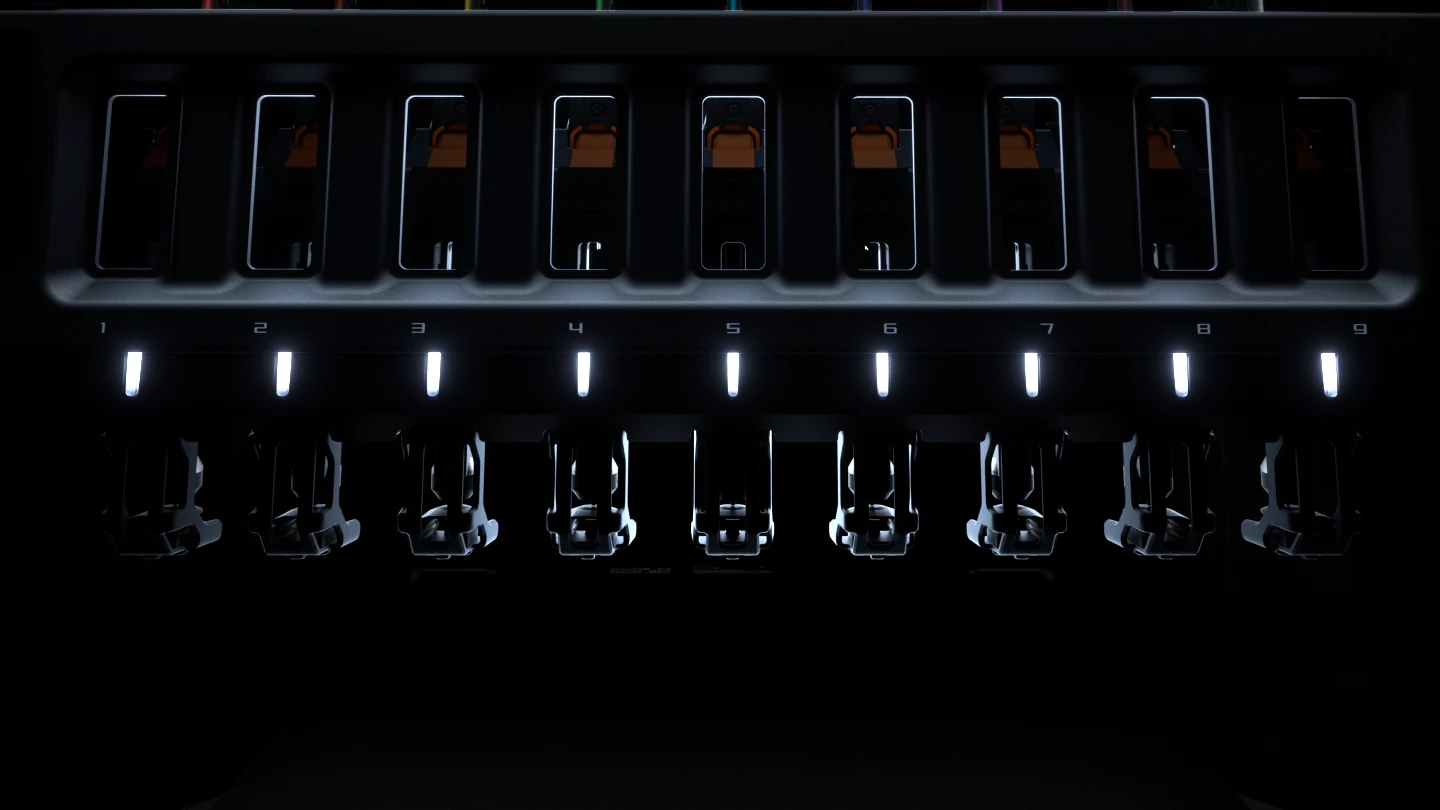
H3C purchase limits at a glance
| What matters | Buying implication |
|---|---|
| Material changes | Each PrintTool keeps its own filament path. Loaded tools switch automatically during a print. |
| Spool replacement | Unload on the printer, then pull the remaining filament out by hand. |
| Drying capacity | Two of the nine AMS 3H slots actively dry filament. |
| Space | The top-mounted AMS needs clearance for tubes, the lid and access to spools. |
| Print waste | Fast tool changes still require priming; waste depends on the model and slicer settings. |
How the H3C Swaptek tool changer works
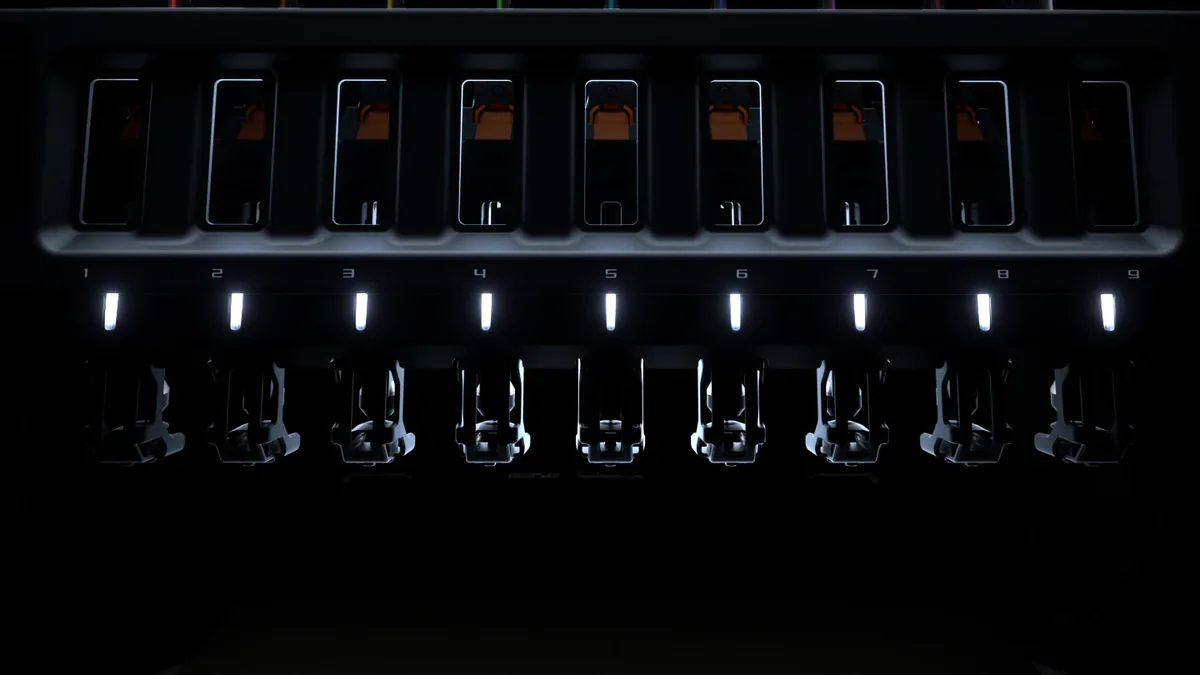
Each PrintTool has a dedicated filament path and heater. The next tool can preheat while the current one prints. Loaded filament stays with its tool, so switching between tools avoids retracting one material and feeding another through a shared nozzle. The H3C product page describes the Swaptek system.
The H2C uses Vortek induction hotends. Its hotend-changing system differs from the H3C’s independent PrintTools; the two systems should not be treated as interchangeable.
The P3C certification-photo briefing covers the smaller seven-dock design shown in filings. Those images alone do not establish retail specifications or availability.
Bambu Lab H3C official price, bundles and specifications
The official launch announcement lists the US base Combo at $2,499, a filament bundle at $2,589, and Station bundles at $2,799 or $3,049, before tax. The higher-priced Station bundle includes an enclosed Station and E1 purifier. These are different bundles, all with AMS 3H. Free shipping applies to the 48 contiguous US states. Stock and delivery dates depend on the selected bundle and destination.
| H3C specification | Official figure |
|---|---|
| Included PrintTools | Eight 0.4 mm tools for 1.75 mm filament; one 0.4 mm tool for 2.85 mm filament |
| Supported nozzle diameters | 0.2, 0.4, 0.6 and 0.8 mm; the included tools are 0.4 mm |
| Build volume | 330 × 320 × 325 mm |
| Maximum nozzle / bed / chamber temperature | 350°C / 120°C / 65°C |
| Maximum travel speed / acceleration | 1,400 mm/s / 25,000 mm/s² |
| Manufacturer change-time claims | 3.4 s tool change; material switch as short as 6 s |
| Manufacturer low-priming claim | As little as 0.038 g, from internal tests |
| AMS 3H | Nine spool slots; two drying slots up to 85°C |
| Printer body | 493 × 571 × 587 mm |
| Assembled Combo | 493 × 571 × 1,016 mm; 36.28 kg including AMS 3H |
| Recommended installation space | 593 × 1,056 × 1,306 mm |
Figures above are manufacturer specifications and internal-test claims, from the H3C specifications and product listing. Maximum travel speed is not the speed every printed feature will reach.
AMS 3H drying and spool replacement
Two AMS 3H slots actively dry filament at up to 85°C. The remaining seven store spools. It has no powered spool rewind, so changing a spool starts with the printer’s Unload command. After the nozzle heats and the filament is cut, pull the remaining filament out by hand.
That manual step applies when removing or replacing a spool. Tool and color changes between loaded PrintTools happen automatically during printing. CNC Kitchen’s loading and unloading test describes the distinction.
H3C installation clearance and soft-TPU loading
Soft TPU uses a bypass path into its PrintTool. The supplied TPU tool supports thicker filament, while the other supplied tools take standard-diameter filament. Prepare the correct tool and feed path for the material; nozzle diameter and filament diameter describe different parts of that setup.
The assembled Combo body is 1,016 mm tall, but the recommended installation height is 1,306 mm. That extra space allows for tubes and opening the AMS lid. Check whether you can comfortably reach the spools from your intended bench height.
H3C results from independent early tests
Published launch-period tests show fast changes with measurable priming waste. Different models, color counts and comparison methods produce different results.
H3C tool-change time and priming waste
In CNC Kitchen’s early review, tool changes took 6 to 7 seconds, against about 40 seconds on an H2C. Waste was about 50 mg per change. A Majora’s Mask print with more than 4,000 changes took roughly 32 hours and accumulated almost 200 g of priming waste.
The Tom’s Hardware review also reported roughly six-second color changes. These end-to-end observations should be kept separate from Bambu’s 3.4-second mechanical tool-change claim in the specifications above.
H3C multicolor print times and comparison conditions
The Princess Donut comparison uses different color counts. The How-To Geek comparison uses an H2C slicer estimate. Neither establishes a universal speed or waste reduction.
| Published test | H3C result | Comparison and limitation |
|---|---|---|
| Tom’s Hardware: Princess Donut | Nine colors; 15 h 12 m; 152.6 g prime tower | H2C: five colors; 24 h 44 m; 111.4 g tower. The H3C used four additional colors. |
| Tom’s Hardware: steampunk dragon | Eight colors; under 24 h; 68 g waste | Anycubic Kobra 3 Max: eight colors; 37 h 28 m; 267 g waste. Different printer platforms. |
| How-To Geek: seven-color print | 28 h; 3,595 changes; 225 g tower | H2C slicer estimate: 62 h and 258 g. The H2C figure was estimated, not a completed comparison print. |
H3C early runtime and reported faults
The CNC Kitchen review describes almost 400 hours of use. mpoxDE’s 414-hour H3C video is a separate early test. Those runtime totals do not establish a long-term failure rate.
Tom’s Hardware’s unit developed a clicking stepper and a tool that tangled with other tubes and dismounted during long multicolor prints. It ran pre-launch Beta firmware that received several updates during the review. The report did not confirm a final fix. This single-unit report does not establish a retail failure rate.
H3C vs H2C: tool system, filament and usable volume
The H3C gives each PrintTool its own filament path. The H2C changes induction-heated hotends on its Vortek platform. The official H2C specification sheet separates single-nozzle, dual-nozzle and combined build envelopes.
| Specification | H3C | H2C |
|---|---|---|
| Tool system | Swaptek; nine independent PrintTools | Vortek induction-heated hotends |
| Filament diameter | 1.75 mm, plus the included 2.85 mm PrintTool | 1.75 mm in the published specification |
| Published build envelope | 330 × 320 × 325 mm | Single nozzle: 305 × 320 × 325 mm; dual nozzle: 300 × 320 × 325 mm; combined envelope: 330 × 320 × 325 mm |
The H2C’s combined envelope is not a guarantee that both nozzles can reach every point in that volume. Compare the working area required by your model and nozzle mode.
An existing H2C may remain sufficient when it already handles your material combinations. The H3C is more relevant when independent material paths, mixed nozzles or soft TPU solve a recurring need. The H2C vs X2D guide covers lower-cost alternatives.
H3C patent drawings and the retail design
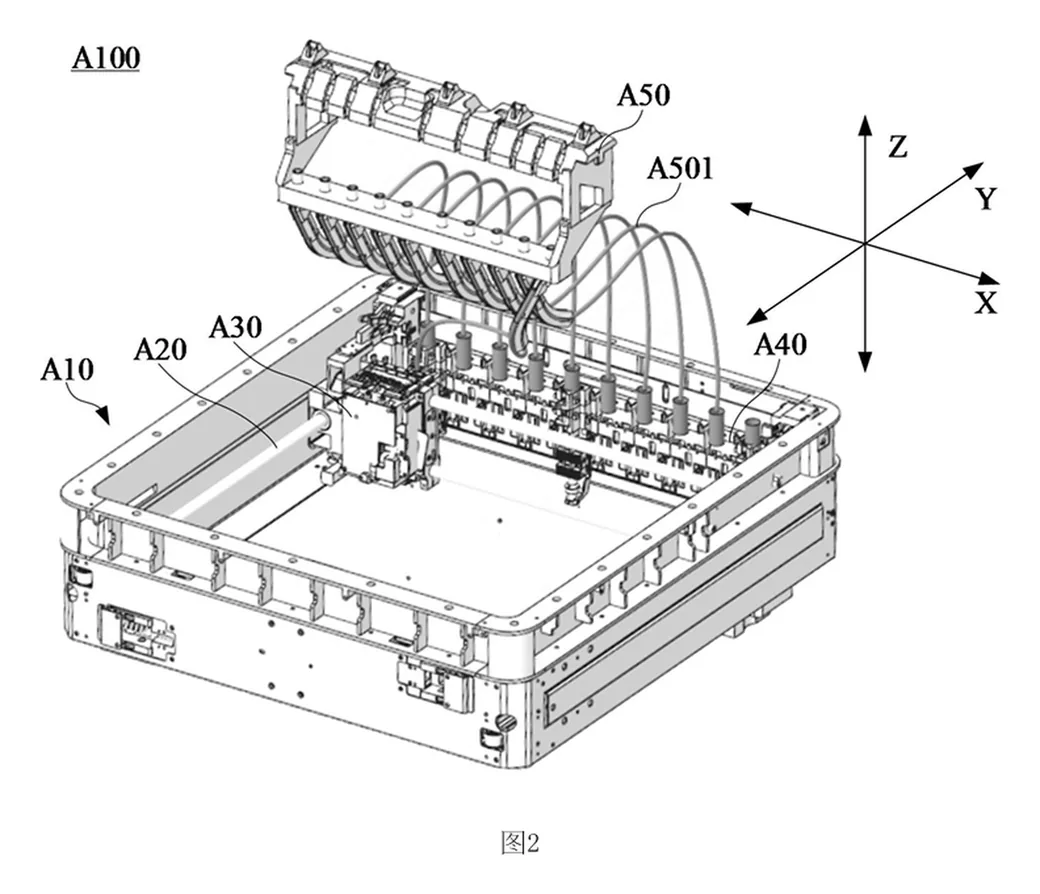
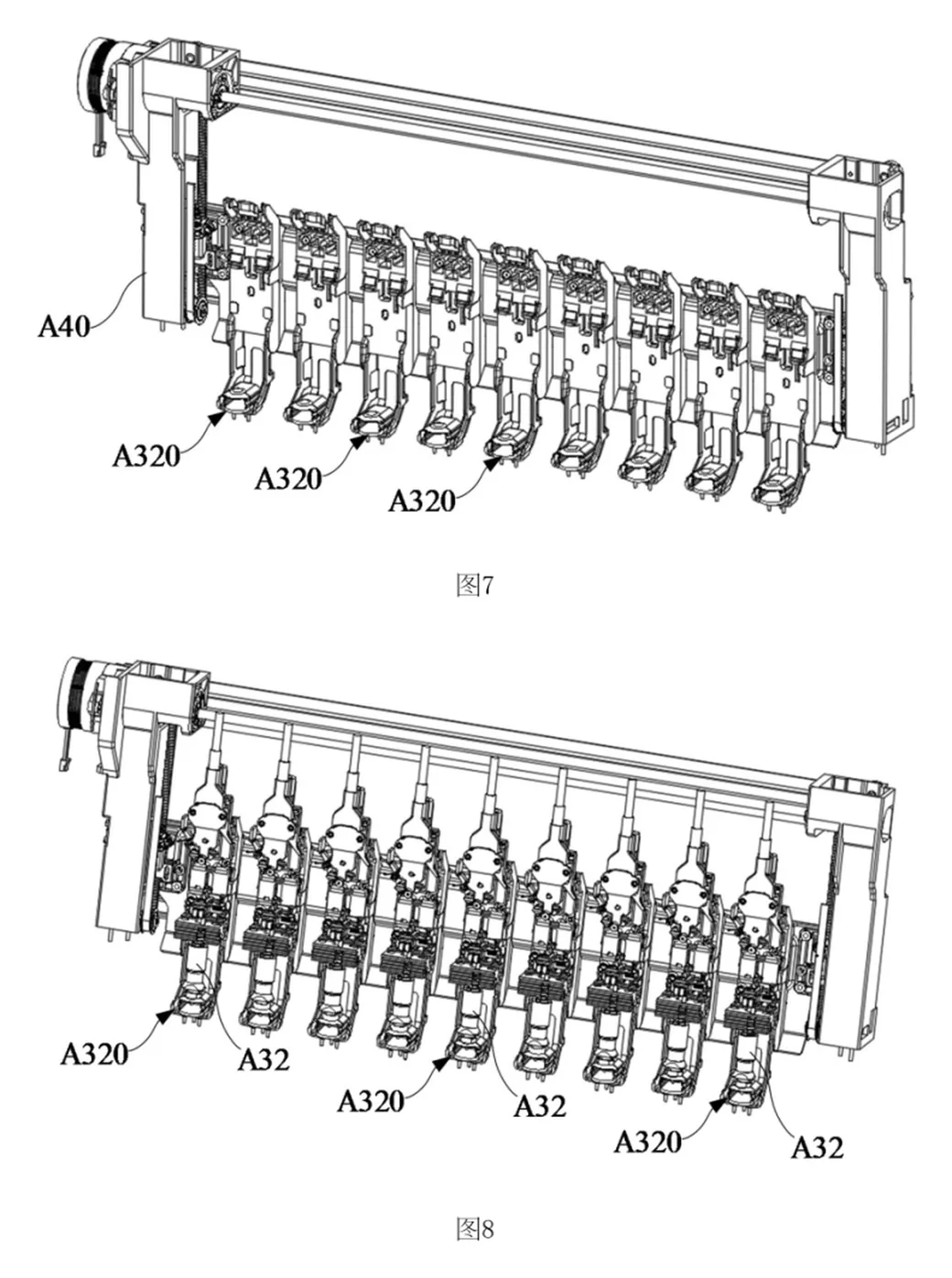
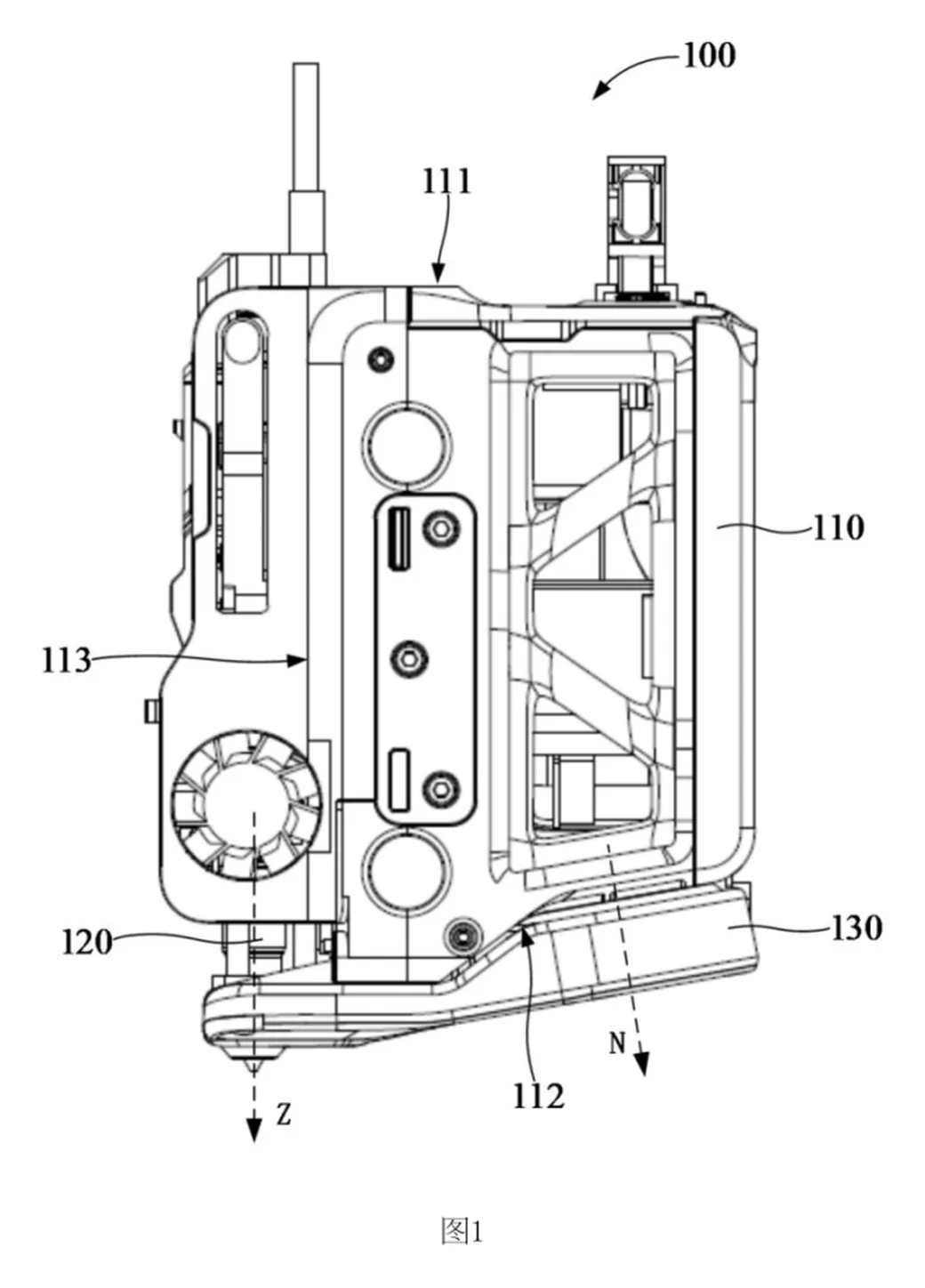
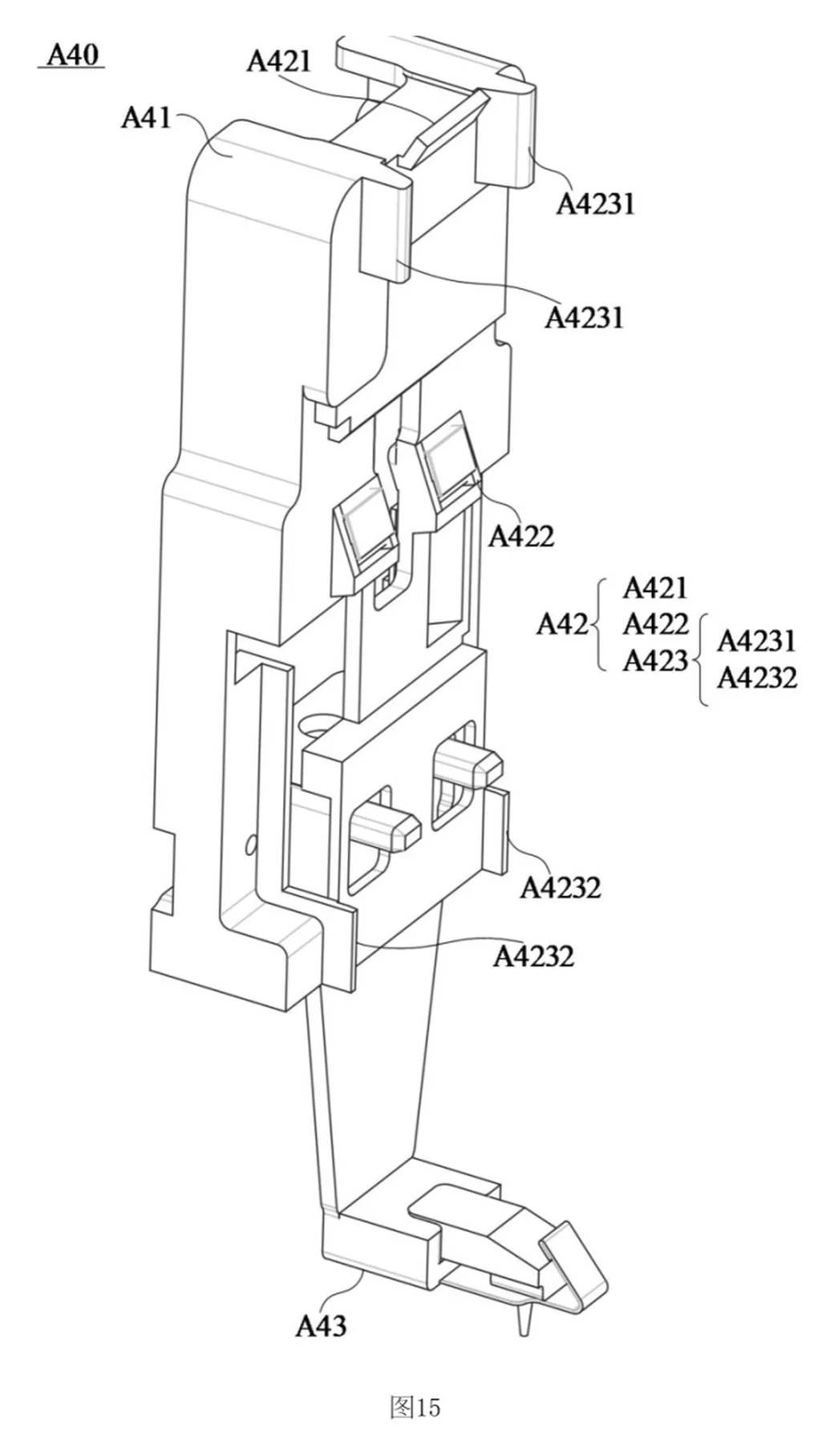
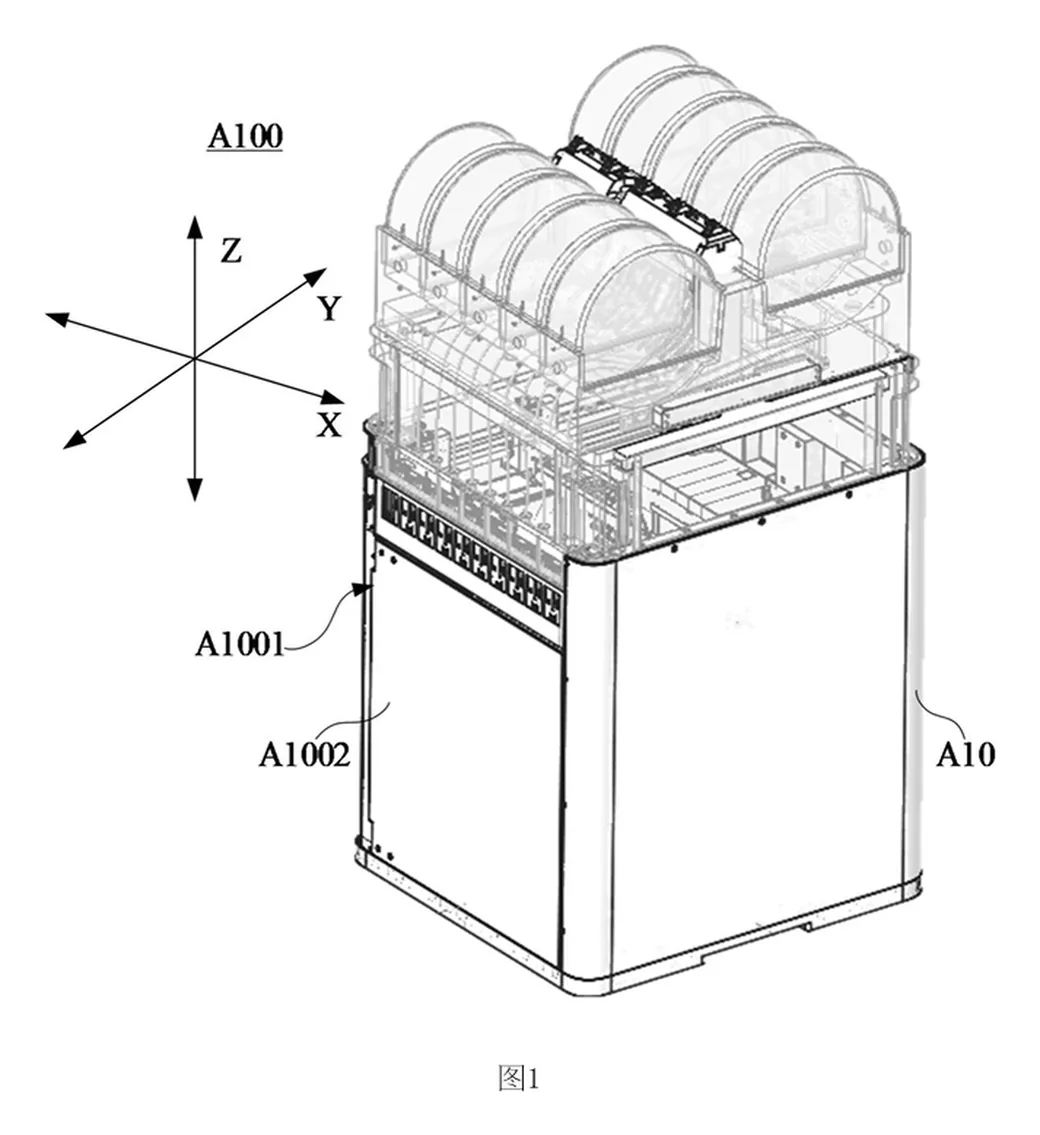
The drawings below come from applications CN 122560409 A, CN 122560412 A and CN 122560413 A. They show an earlier design description, including a ten-spool rack. The retail H3C has nine AMS 3H spool slots. Patent illustrations do not establish the final bill of materials or retail reliability.
Bambu Lab H3C FAQ
How much does the Bambu Lab H3C Combo cost?
The official US base Combo launch price is $2,499 before tax, including AMS 3H and nine PrintTools. Optional filament and Station packages add to the base price. Select the intended bundle on the US store for its current price and delivery estimate.
When did the Bambu Lab H3C launch?
Bambu Lab opened official orders on November 3, 2026. See the official launch post and the H3C buying guide.
Which PrintTools are included with the H3C?
Eight supplied tools take 1.75 mm filament and one takes 2.85 mm. All nine included nozzles are 0.4 mm. Other supported nozzle sizes require the appropriate additional hardware.
What is the H3C build volume?
The official build volume is 330 × 320 × 325 mm. Allow additional room around the machine for access, the AMS lid and tubing.
Does H3C multicolor printing require manual rewinding?
Loaded PrintTools switch automatically during a print. Manual filament removal is required when you unload and replace a spool in AMS 3H.