- Hairspray can work, but it is not the default fix for first-layer problems.
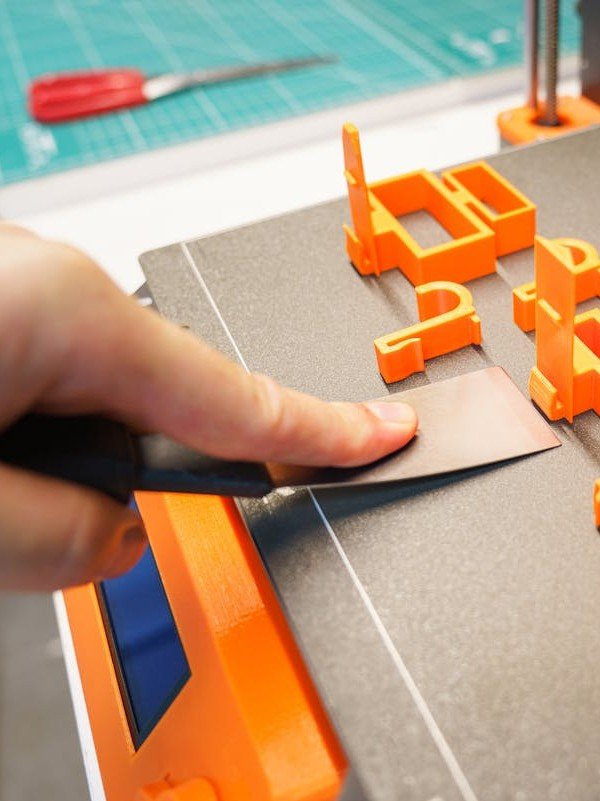
- It makes the most sense on removable beds, glass, or other surfaces that can be cleaned easily.
- If your bed is dirty, unlevel, or your Z-offset is wrong, hairspray is the wrong first move.
- Glue stick and modern PEI-style surfaces are usually cleaner, simpler alternatives.
Table of Contents
At a Glance
| Surface | Hairspray | Glue stick | Best first move |
|---|---|---|---|
| Removable glass | Often useful | Often useful | Clean first, then test |
| Textured PEI | Usually skip | Sometimes skip | Leave the texture alone |
| Dirty build plate | Bad idea | Bad idea | Wash the plate |
| Long overnight print | Possible | Often better | Use the simplest safe aid |
Quick Answer
If you want the short version, yes, hairspray can improve bed adhesion. But it is a shortcut, not a cure.
The real question isn’t whether hairspray sticks. It’s whether your bed needs chemistry or basic tuning first.
If the bed is dirty, the Z-offset is off, or the first layer is rushed, hairspray just hides the problem for a while. It doesn’t fix it.
When Hairspray Makes Sense
Hairspray is still useful in the right setup. The cleanest use case is a removable bed or a glass plate that you can wash regularly. That keeps overspray and buildup under control.
It also makes sense when you want a cheap, low-friction adhesion aid. KB1 shows a simple workflow: spray from 6 to 8 inches, keep the coat even, and let it dry before printing. In that use case, reapplication isn’t constant maintenance. It’s a periodic reset.
That’s why hairspray still shows up in beginner threads and older printer setups. It’s easy to understand, cheap to replace, and fast to apply.
Another use case is long prints. A glue stick can hold a part in place even after the bed cools, which is useful for overnight jobs or power interruptions. Bambu tuning guide is a better next read if your problem is really a first-layer tuning issue.
When You Should Skip Hairspray
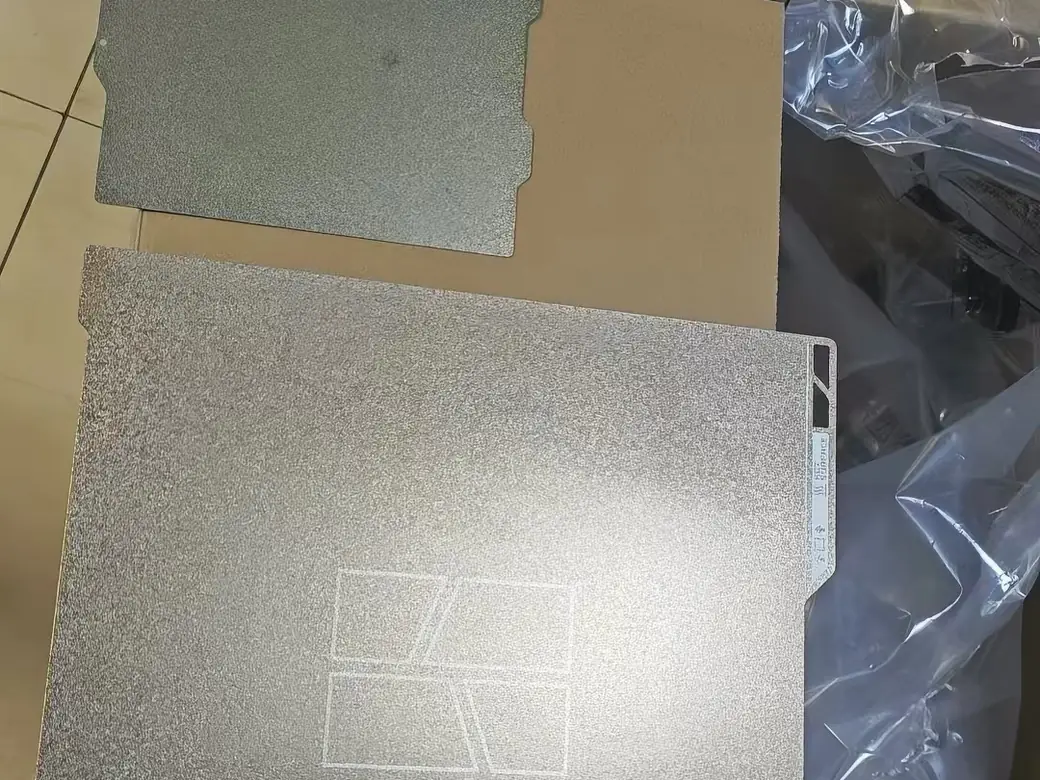
If you are printing on textured PEI, glue is often the wrong instinct. The texture is doing the work. Adding more chemistry can fill the microscopic grip that makes PEI effective in the first place.
That’s why hairspray isn’t a universal answer anymore. In KB4, the more reliable first move is still the boring one: clean the plate, level the bed, and get the Z-offset right.
Dirty build plates are another common trap. Finger oils, dust, and old adhesive residue cause more adhesion failures than people expect. If you keep spraying over a dirty surface, you are building a workaround on top of the wrong foundation.
There is also a safety angle. A Reddit thread in the research set strongly warned about overspray on the printer itself, especially if the bed isn’t removable. That’s not the same as saying hairspray is always dangerous. It just means you should be deliberate about where the spray lands.
How to Use Hairspray Safely
If you do use hairspray, keep the workflow simple.
1. Remove the bed if your printer allows it. 2. Use a light, even coat from 6 to 8 inches away. 3. Let it dry before you start the print. 4. Reapply only when adhesion starts to fall off.
That’s enough for most use cases. You don’t need to soak the bed. You don’t need to spray around live electronics. And you don’t need to treat hairspray like a magical calibration replacement.
Cleanup matters too. Soap and warm water often do more than endlessly adding more adhesive. On cleaner PEI-style surfaces, the better habit is usually to remove contamination first, then decide whether you need any coating at all.
Hairspray vs Glue Stick vs PEI
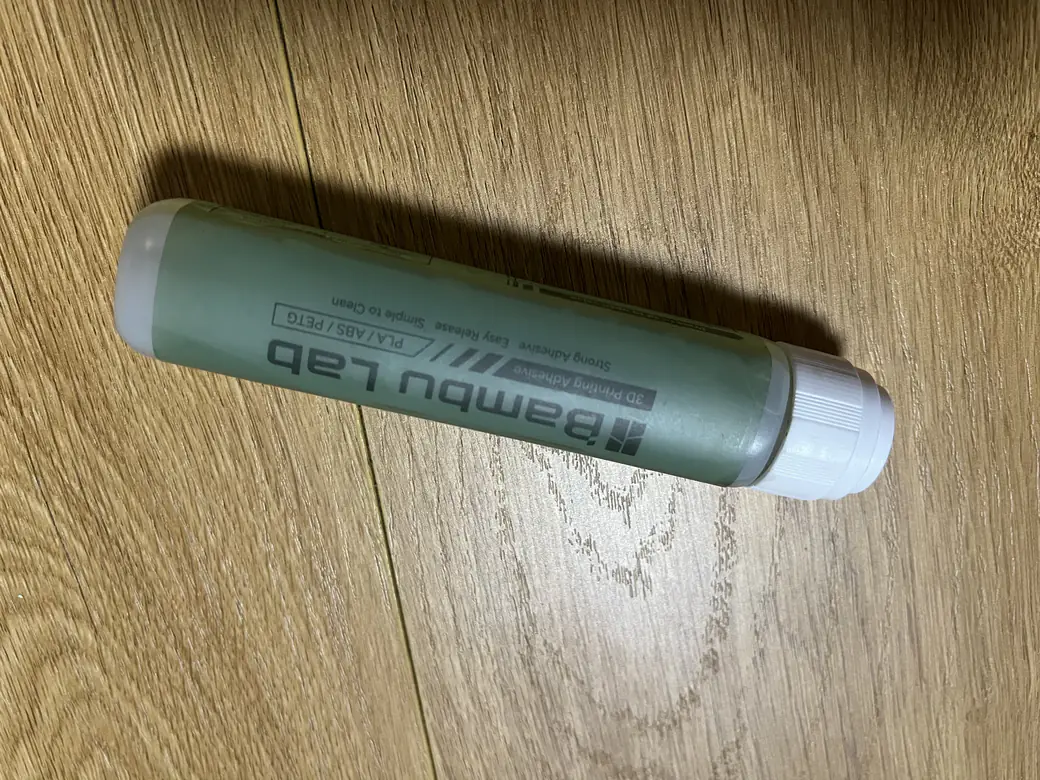
Hairspray is the easiest to apply quickly. It is also the messiest if you overspray or let it build up.
Glue stick is usually better when you want a longer-lasting coating and a cleaner release after cooling. It’s a better fit for long prints and resume scenarios.
3D Printing Filament Guide is useful if you want to sanity-check whether your filament choice is making adhesion harder than it should be.
Modern PEI-style plates are the cleaner long-term answer for many users. They reduce the need for routine coatings and are usually easier to keep consistent once your printer is tuned.
If you want a practical buying or setup path, think in this order:
- tune the printer first
- clean the bed second
- use hairspray or glue only if the surface still needs help
- move to a better plate when you are tired of fighting chemistry
Simple. Boring. Effective.
If It Still Won’t Stick
If the part still lifts, don’t keep adding more spray.
Check these three things first:
- Clean the bed.
- Level the bed.
- Fix Z-offset and first-layer speed.
If you still need help, use geometry before chemistry. A brim is often the cleanest next step for tall, narrow parts or sharp corners. A raft is the more aggressive fallback when the shape itself is the problem.
This is the part many guides skip. Adhesives are useful, but they are usually not the root fix.
Essential Tools is worth keeping in your back pocket if you are building a basic 3D printing setup and want a simple place to anchor practical supplies.
FAQ
Does hairspray work for better bed adhesion?
Yes, in the right setup. It can help hot filament grab the bed and release after cooling. It is most reasonable on removable or easy-to-clean surfaces.
How do I clean hairspray off a 3D printer bed?
For many beds, warm water and soap are the safest first try. Some users also rely on IPA for light cleanup, but the exact method depends on the plate material.
Is hairspray safe to use around a hot printer?
Use caution. The Instructables guide notes that hairspray is flammable, and the Reddit and forum threads in the research set also warn about overspray and buildup. Don’t spray carelessly around electronics or hot components.
Should I use hairspray on PEI?
Usually not as a default. On textured PEI, extra coating can work against the surface grip you already have.
What should I try before hairspray?
Clean the bed, level it, and fix the Z-offset. If the first layer is still bad, adjust first-layer speed and temperature before adding adhesives.
Tools You May Need
- Isopropyl alcohol or warm soapy water
- Lint-free cloth
- Brim or raft in your slicer
- Bed-leveling tool or feeler gauge
Prevention
The best way to avoid adhesive drama is to make the first layer boring.
Keep the bed clean. Watch the first layer. Slow it down if needed. If you are constantly reaching for hairspray, the printer is probably asking for a tuning fix instead of a coating fix.
When To Get Help
If you have a warped bed, recurring corner lift, or repeated failures after cleaning and tuning, it is time to look deeper. At that point, the problem is probably surface choice, hardware setup, or slicer settings rather than the adhesive itself.
Sources and Notes
- Hairspray application and recoat cadence came from KB1.
- Glue stick and long-print behavior came from KB2.
- Cleanup, leveling, and temperature guidance came from the broader bed-adhesion KB notes.
- Safety and overspray concerns were reinforced by the Instructables guide plus Reddit and forum discussions in the SERP.